

What Are the Top Types of Home Lighting for 2026?

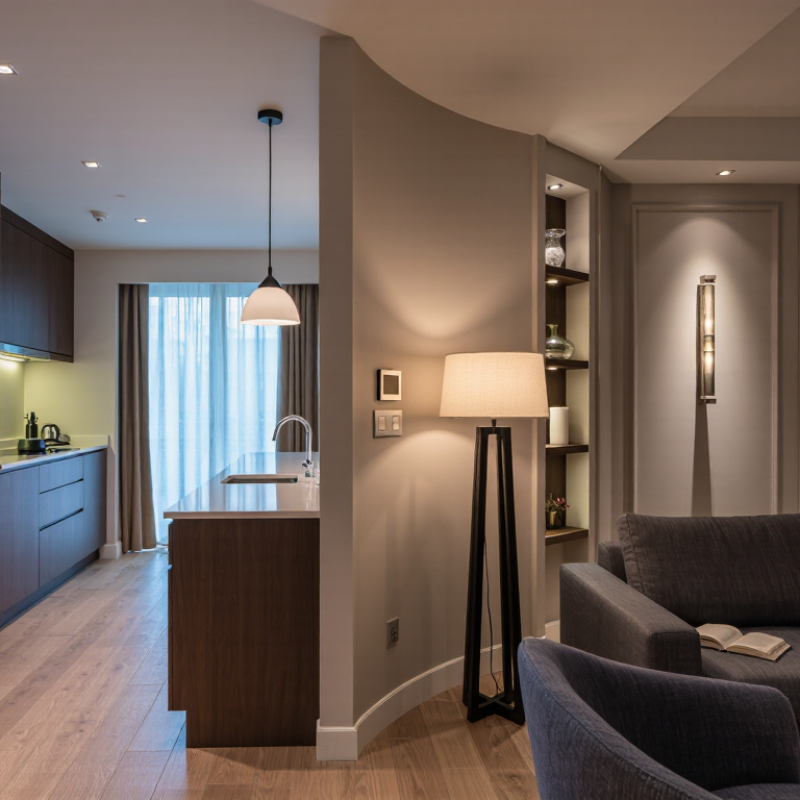
In 2026, home lighting is doing more than brightening a room. It shapes how kitchens work, how bedrooms feel, and how living spaces change from afternoon to evening. The most useful choices often combine several types: ambient lighting for an even base, task lighting for reading or cooking, and accent lighting for artwork, shelves, or architectural details. A small pendant above a kitchen island can define a work zone. A shaded lamp beside a sofa can make evening reading easier. The difference is tangible.

Lighting designer Randall Whitehead has described lighting as “the jewelry of the home.” It’s a memorable image, though good lighting must do more than decorate. For this guide, we’ll look at ceiling fixtures, recessed lights, pendants, wall sconces, floor and table lamps, and smart lighting controls. We’ll consider where each type works best, what it contributes, and what to check before choosing it. Color temperature, dimming, glare, and fixture placement matter just as much as style. Small details count.

The right home and lighting plan depends on real routines, room size, and available daylight—not only on a trend forecast. A bright, cool kitchen may suit meal preparation, while a softer bedside light can ease the shift toward rest. Still, there is no perfect formula. A beautiful fixture may cast awkward shadows, and a practical ceiling light can feel flat on its own. That’s worth reflecting on. The sections ahead offer a grounded look at the top home lighting types for 2026, with practical details to help readers choose combinations that feel comfortable, useful, and personal.
What Are the Top Types of Home Lighting for 2026?

Understanding the Main Layers of Home Lighting

Home lighting works best in layers, with each type serving a clear purpose. Ambient lighting provides the room’s overall glow through ceiling fixtures, recessed lights, or indirect illumination. It should make paths and furniture easy to see without creating harsh glare. In a living room, a dimmable ceiling fixture can handle everyday brightness, while lamps soften darker corners. Keep the light even, not flat.

Task lighting supports specific activities. A focused desk lamp helps with reading or detailed work, while under-cabinet lights brighten kitchen counters. Position these fixtures to reduce shadows: a lamp beside a reading chair usually works better than one directly behind it. Choose brightness for the task, too. A cozy table lamp may feel pleasant, but it can be inadequate for sewing or studying.

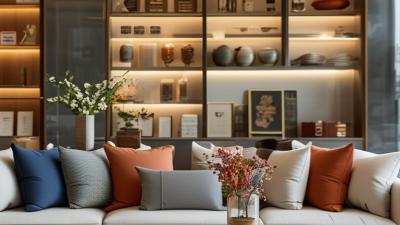
Accent lighting adds depth by drawing attention to artwork, shelves, or textured walls. Picture a small adjustable light grazing a brick surface; the shadows make its texture visible. Use accent lights selectively, and put layers on separate switches or dimmers when possible. Warm white light, around 2700–3000K, often suits relaxing spaces, though finishes can look different under it. Even a careful plan can miss a dark corner. Test the lighting after furniture is in place, then adjust.
Ambient Lighting Types for General Room Illumination

Ambient lighting is the room’s foundation: it provides broad, comfortable illumination before task or accent lights are added. For 2026, flexible controls matter as much as fixture style. Flush-mount and semi-flush ceiling lights suit lower ceilings, while recessed fixtures can spread light across larger rooms. Spacing them evenly helps, but placing every light in a strict grid can make a room feel flat.

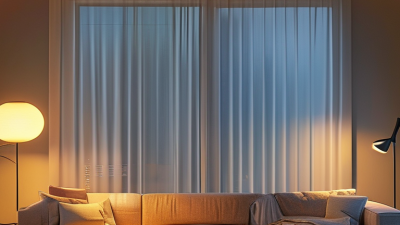
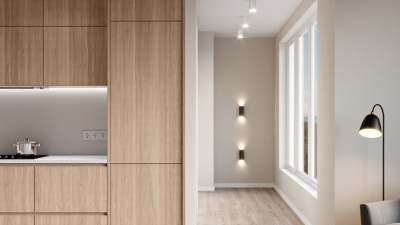
Indirect lighting is another useful option. Cove lights, uplights, and wall sconces bounce light off ceilings or walls, softening harsh shadows. In a living room, a dimmable ceiling fixture paired with an uplighter can shift the mood from daytime activity to a quieter evening. Keep it comfortable. Choose warm-to-neutral white light for relaxed spaces, and check that the output feels even from seated positions. Brightness alone does not guarantee comfort.

A common planning mistake is relying on one strong central fixture. It may leave corners dim and create glare on a television or glossy table. I’d test the layout after dark, when daylight no longer hides weak spots. That can reveal awkward patches. Dimmers help, but they cannot fix poor placement; combine ceiling, wall, or floor lighting according to the room’s size, ceiling height, and daily use.

Task Lighting Types for Focused Everyday Activities

Task lighting brings light close to the work, making small details easier to see without brightening the entire room. A desk lamp with an adjustable arm works well for writing, drawing, or sorting papers. Place it opposite your writing hand to reduce shadows across the page. Keep the bulb out of direct view; glare can make a clear screen or glossy paper uncomfortable to use. Small adjustments matter.

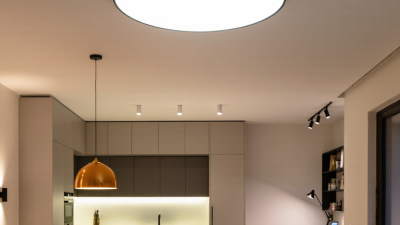
In kitchens, under-cabinet lights brighten counters where chopping and measuring happen. A continuous, diffused strip often leaves fewer dark patches than a single small fixture. Check the counter from your usual standing position before settling on placement. Light that looks even from across the room can still cast a shadow under your hands. It happens.

For reading, a movable floor lamp or bedside lamp can aim light toward the book while leaving the rest of the room softly lit. At a bathroom mirror, fixtures on both sides of the face can reduce harsh shadows better than one light directly overhead. Choose a comfortable color appearance and enough brightness for the task, then test it at night as well as during daylight. There is no perfect setup for every home. A lamp may look tidy but still land in the wrong spot, and that is worth rethinking.

Accent and Decorative Lighting for Visual Emphasis

Accent and decorative lighting can make a room feel intentional without changing its layout. A narrow beam across a textured wall reveals grain and shadow; a small pendant over a reading chair creates a quieter focal point. In 2026, combine these layers with restraint. Too many bright points can make a room feel restless.

Choose fixtures for both appearance and output. The U.S. Department of Energy’s Energy Saver guidance reports that LEDs use at least 75% less energy and can last up to 25 times longer than incandescent bulbs. That efficiency helps when decorative lights stay on for several hours, though actual lifespan depends on use and product quality. Warm, dimmable light often suits art and wood finishes, but color can look different at home than in a showroom. Test before committing.

Tips: Aim adjustable spotlights at artwork from an angle to reduce glare. Use a shaded table lamp beside a sofa, not behind the viewer’s head. Keep one surface softly lit. It is easy to overdo it. Check how the room looks at night, when daylight no longer softens harsh contrasts.

What Are the Top Types of Home Lighting for 2026? — Accent and Decorative Lighting for Visual Emphasis

Lighting Type Main Purpose Common Fixtures Where It Works Well Planning Tip
Picture and Artwork Lighting Draws attention to paintings, photographs, and wall displays. Picture lights, adjustable spotlights, and track-mounted heads. Living rooms, hallways, galleries, and stair landings. Use adjustable, well-shielded fixtures to reduce reflections and glare on framed glass.
Wall Grazing Emphasizes texture by directing light across a surface at a shallow angle. Recessed wall washers, linear LED fixtures, and concealed cove lights. Stone, brick, textured plaster, and feature walls. Test the beam position first; grazing can make surface irregularities more noticeable.
Shelf and Cabinet Lighting Highlights displayed objects and improves visibility inside storage. Low-profile linear lights, puck lights, and integrated cabinet strips. Bookcases, display cabinets, kitchen cabinets, and built-in niches. Hide the light source where possible and select fixtures designed for the cabinet’s environment.
Cove and Indirect Lighting Creates a soft visual glow by reflecting light from ceilings or walls. LED tape or linear fixtures installed in coves and architectural recesses. Living rooms, bedrooms, dining areas, and ceiling details. Use a reflective, uncluttered surface and provide access to drivers and connections.
Landscape Accent Lighting Emphasizes outdoor features and helps define the garden after dark. Path lights, spotlights, in-ground fixtures, and step lights. Trees, planting beds, paths, steps, and architectural details. Keep beams aimed away from windows and neighboring properties; choose outdoor-rated equipment.
Pendant Lighting as a Focal Point Adds a decorative centerpiece while providing localized illumination. Single pendants, multi-light pendants, and linear suspensions. Dining tables, kitchen islands, entryways, and stairwells. Check ceiling height, sightlines, and task-light needs before choosing fixture size and suspension height.
Decorative Wall Sconces Adds visual character and creates pools of light on walls. Up-lighting, down-lighting, and shaded wall-mounted fixtures. Hallways, bedrooms, living rooms, and beside mirrors. Position sconces to avoid direct glare and coordinate their output with other room lighting.
Sculptural and Statement Fixtures Acts as a visual feature, even when the light is switched off. Decorative chandeliers, artistic pendants, and distinctive floor lamps. Entryways, dining rooms, living areas, and reading corners. Balance the fixture’s scale with the room and provide separate ambient or task lighting when needed.

Planning note: Accent and decorative lighting works best as part of a layered plan that also includes ambient and task lighting. Dimmers can help adjust the mood and brightness to suit different activities.

Smart and Energy-Efficient Lighting Options for 2026

In 2026, smart LED lighting can make everyday rooms more comfortable while using less electricity than older incandescent bulbs. Dimmable fixtures let you lower brightness for evening reading or raise it for meal preparation. A warm setting can feel softer in a bedroom, while cooler white light may help with detailed tasks. Small changes matter.

Occupancy sensors can switch off lights in a laundry room or hallway when nobody is there. Schedules and app controls add convenience, but simple wall switches should remain easy to use. Look for compatible dimmers and bulbs before buying; mismatched equipment may flicker or fail to dim smoothly. Not always. Smart features do not guarantee lower energy use if lights stay on longer or brightness is set unnecessarily high.

For practical efficiency, check the bulb’s light output and energy rating, then choose only as much brightness as the space needs. In a kitchen, focused task lighting over a counter can reduce the need to illuminate the whole room. I would still test color and glare in person when possible. Online specifications cannot fully show how a lamp will look beside your own walls and furniture.