

2026 Best Home Lighting Types for Global Buyers?

Choosing the best home lighting in 2026 is less about fashionable fixtures than matching light to people, rooms, and local conditions. Global buyers face different voltages, socket systems, ceiling heights, climates, and installation practices. A warm pendant can make a dining table inviting, yet feel too dim above a workbench. A bright downlight may improve visibility, but create glare on a glossy kitchen counter. This guide compares major home lighting types through practical performance, comfort, efficiency, and design value. Real rooms matter.

We examine LED ceiling lights, recessed fixtures, track systems, wall sconces, pendant lamps, under-cabinet strips, smart bulbs, and outdoor options. Each section considers beam angle, color temperature, dimming compatibility, maintenance, controls, and expected energy use. Product labels deserve careful reading. Check lumen output, wattage, color rendering, IP rating, warranty terms, and compatibility with the destination market’s electrical requirements. Independent safety marks can support confidence, but buyers should verify their relevance locally. A certified product is not automatically ideal. Measure carefully.

The recommendations draw on lighting practice, manufacturer specifications, and common installation experience across residential spaces. We also consider bedrooms with soft 2700K light, offices needing reduced screen glare, and humid bathrooms requiring suitable protection. Costs, availability, and repair support can change by country. Smart lighting adds convenience, but connectivity failures remain possible. No category wins every room. Some advice may need revision as standards and technology develop. Use this guide as a careful starting point, then confirm measurements and local requirements before purchase.
2026 Best Home Lighting Types for Global Buyers?

What Defines the Best Home Lighting in 2026

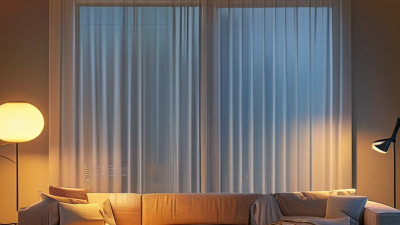
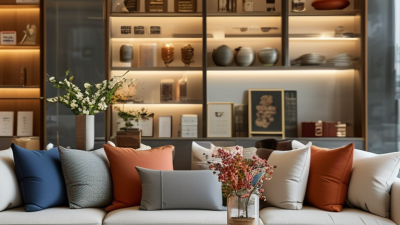
In 2026, the best home lighting is not simply the brightest option. It creates comfortable layers for work, relaxation, and movement. Ambient fixtures provide overall brightness, while task lights focus on desks, counters, and reading areas. Accent lighting adds depth around shelves, artwork, or textured walls. This layered approach feels more natural than relying on one ceiling fixture.

Practical testing should examine color accuracy, glare, flicker, and heat. A color rendering index above 90 can reveal food, fabrics, and skin tones more faithfully. Warm white light near 2700–3000K often suits bedrooms and living rooms. Cooler light may support detailed work, but excessive blue light can feel harsh at night. Dimming should remain smooth at low levels. Cheap controls often fail here. That matters.

Global buyers also need reliable safety documentation, voltage compatibility, and replacement access. A well-designed fixture should include clear installation instructions and protected wiring. Smart controls can improve convenience, but they should still allow manual operation when networks fail. Energy efficiency is important, yet repairability deserves equal attention. Some efficient products become wasteful when a small driver cannot be replaced. I have found that the most convincing lighting choices balance measurable performance with daily comfort, although no specification sheet can fully predict how a room will feel.
Major Home Lighting Types and Their Ideal Uses

2026 Best Home Lighting Types for Global Buyers

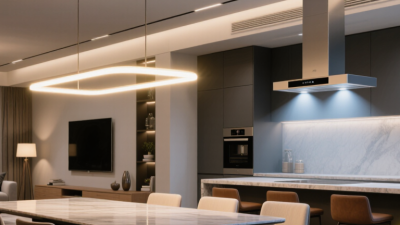
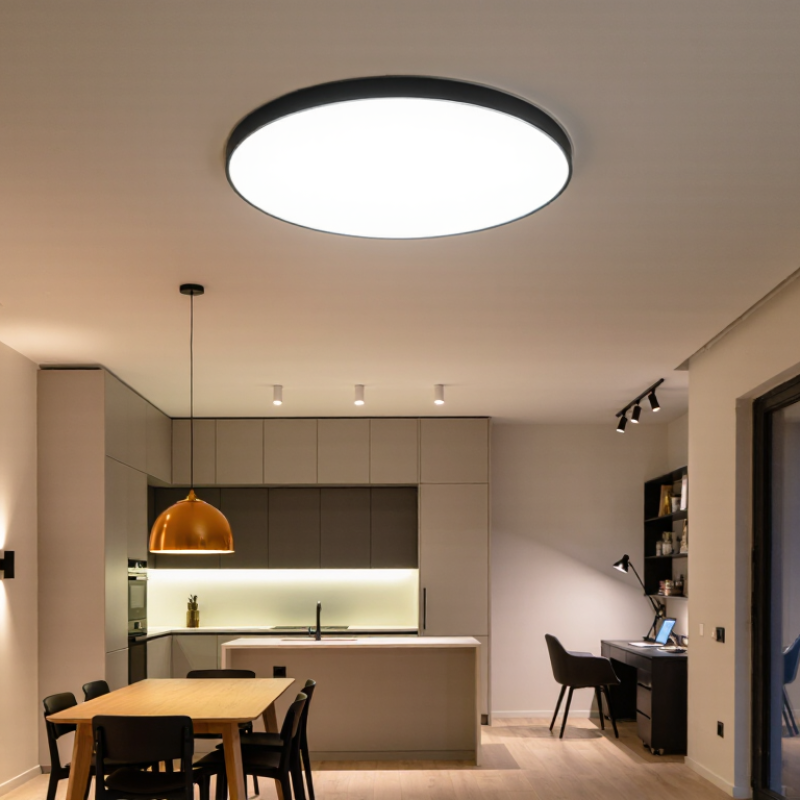
Ambient ceiling lighting gives a room its basic visibility and visual comfort. Flush mounts suit low ceilings, bedrooms, and compact apartments. Recessed lights create a clean appearance, but poor spacing can produce harsh pools of light. In my project experience, layered lighting works better than relying on one bright fixture.

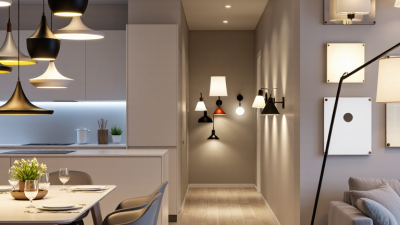
Pendant lighting is ideal above dining tables, kitchen islands, and reading corners. Choose a shade that directs light downward without blocking conversation.

Task lighting helps people cook, study, or work with fewer shadows. Under-cabinet strips are practical for countertops, especially when their color rendering is strong.

Wall sconces add gentle side lighting beside beds, mirrors, or stairways. They can also make narrow hallways feel less severe.

Accent lighting highlights artwork, shelves, plants, and architectural textures. Track systems offer flexibility when furniture changes, although visible hardware may not suit every interior.

For bathrooms and outdoor areas, check the fixture’s moisture protection rating and local electrical requirements. Warm light often feels comfortable in living spaces, while neutral white can support focused work. Very cool light may appear clinical at home.

I once selected powerful downlights for a small kitchen, then noticed uncomfortable glare on polished surfaces. The revised layout used fewer fixtures and better diffusion. That mistake still influences my recommendations.

Global buyers should verify voltage, installation conditions, maintenance access, and replacement parts before ordering.

How to Compare Energy Efficiency, Brightness, and Color Quality

For global buyers, compare lighting by measurable performance, not appearance alone. The U.S. Department of Energy reports that LED lamps use at least 75% less energy and can last up to 25 times longer than incandescent lamps. The International Energy Agency has reported that lighting consumes about 15% of global electricity. This makes energy efficiency a practical cost issue, especially where electricity prices are high.

Brightness means lumens, not watts.A 900-lumen lamp should illuminate a desk more effectively than a 450-lumen lamp. However, room size, ceiling height, and shade design change the result. Check lumens per watt for efficiency, then test glare near eye level.

Color temperature also matters: 2700–3000K feels warmer, while 4000K appears cleaner and more alert. Color quality needs deeper checking. CRI 80 is acceptable for general rooms, but CRI 90 or higher suits kitchens, artwork, and clothing. TM-30 can reveal weak red or green rendering that CRI may hide.

Tips: Compare lumens, watts, efficacy, CCT, and CRI on the same product sheet. Confirm dimming compatibility and local voltage ratings. A high lumen figure can still feel harsh. I have learned that “bright” is not always comfortable. Specifications help, but a small sample test remains wiser than a rushed bulk order.

Global Safety Standards, Voltage Needs, and Smart Lighting Compatibility

2026 Best Home Lighting Types for Global Buyers?

Choosing home lighting in 2026 means checking more than brightness and appearance. Voltage comes first. Many regions use about 100–127 volts, while others use 220–240 volts. Always match the fixture’s rating to the local supply. A plug adapter changes the socket shape, not the voltage. Frequency matters too, especially for drivers, timers, and older dimmers.

Safety certification should fit the destination market. Look for testing recognized by the relevant national or regional authority, not only attractive packaging claims. Wet rooms need suitable ingress protection, while metal fixtures usually require proper grounding. A qualified electrician should confirm wiring, circuit capacity, and switch compatibility. Small details matter. One missed connection can create heat, flicker, or repeated breaker trips.

Smart lighting adds another layer. Check whether the product supports your home’s Wi-Fi band, hub, control protocol, and operating system. Many devices rely on 2.4 GHz networks, but this is not universal. Dimming also depends on the bulb, driver, and wall control working together. Some homes lack a neutral wire, which limits installation choices. Secure firmware updates and local data practices deserve attention. Compatibility lists can become outdated. I have seen technically suitable products fail because the router settings were overlooked. A careful test with one fixture is wiser than replacing every light at once.

How to Choose Home Lighting for Different Rooms and Markets

2026 Best Home Lighting Types for Global Buyers?

How to Choose Home Lighting for Different Rooms and Markets

Lighting should follow the room, not fashion. In kitchens, use bright, neutral-white LEDs around 3500–4000K for accurate food preparation. Add under-cabinet strips to reduce shadows on worktops. Bedrooms need warmer light, usually 2700–3000K, with dimming for calmer evenings. Living rooms benefit from layered lighting: ceiling fixtures, wall lights, and portable task lamps. Bathrooms require suitable moisture protection, especially near showers. Check the local IP-rating requirements before installation.

Market conditions change the decision. Buyers in regions with unstable electricity should consider efficient LEDs, surge protection, and rechargeable emergency fixtures. Homes with 100–120V supplies need different drivers from homes using 220–240V systems. Always confirm voltage, frequency, plug design, and electrical certification with a local professional. Color preferences also vary; warm light may feel comfortable in one market but appear too yellow in another. This part is easy to underestimate.

The International Energy Agency reports that lighting uses about 15% of global electricity, making efficiency a practical concern. The U.S. Department of Energy’s Solid-State Lighting reports identify controls, efficacy, and long service life as major development priorities. Motion sensors suit corridors and storage rooms, while daylight sensors can reduce unnecessary use near windows. However, connected controls are not automatically better. They may require stable networks, compatible software, and replacement support. A simple dimmer can sometimes be the more reliable choice. Test samples in real rooms before buying large quantities.

2026 Best Home Lighting Types for Global Buyers? - How to Choose Home Lighting for Different Rooms and Markets

Room / Area Recommended Lighting Types Primary Lighting Purpose Suggested Illuminance Recommended Color Temperature Recommended Color Rendering Typical Product Features Moisture / Safety Guidance Global Buyer Considerations
Living Room Ceiling fixture Recessed downlight Wall light Floor lamp General illumination, relaxation, reading and visual comfort 100–200 lux for ambient lighting; 300–500 lux for reading or detailed tasks 2700–3000 K for a warm atmosphere; 3000–4000 K for a flexible modern interior CRI ≥80; CRI ≥90 is preferable where artwork, textiles or accurate colors are important Dimming, layered lighting, glare control, diffused optics and separate switching zones Normally dry-location products are suitable; keep luminaires away from direct water exposure Check local dimmer compatibility, ceiling-box standards, plug type and supply voltage before purchase
Bedroom Flush mount Bedside lamp Wall sconce Indirect LED strip Low-glare ambient lighting, relaxation and bedside reading 50–150 lux for ambient lighting; 300–500 lux at a reading position 2700–3000 K; warmer light is generally preferred before sleep CRI ≥80; flicker-conscious products are recommended for frequently occupied bedrooms Soft diffusion, low brightness, dimming, warm-dimming or multiple light levels Use dry-location products unless the room includes a bathroom or wet area Wireless controls and low standby power can be useful; confirm remote, app and radio compatibility by market
Kitchen Ceiling panel Downlight Under-cabinet light Pendant Uniform general lighting and shadow-free food preparation 300–500 lux for general areas; approximately 500 lux on worktops 3000–4000 K for a clean appearance and good task visibility CRI ≥80; CRI ≥90 is preferable for food color and material selection High uniformity, low glare, splash-resistant task lighting and easy-clean diffusers Use products rated for the actual installation zone; avoid unprotected luminaires above sinks or cooking areas Under-cabinet systems should support the local voltage and use suitable connectors, drivers and plug standards
Dining Room Pendant light Chandelier Wall light Ceiling fixture Table illumination, visual comfort and decorative ambience 150–300 lux on the dining table 2700–3000 K for warm dining; 3000–3500 K for a more contemporary setting CRI ≥80; CRI ≥90 is recommended for natural food presentation Dimming, glare shielding, adjustable suspension height and balanced light distribution Use dry-location luminaires unless exposed to steam, condensation or outdoor conditions Verify ceiling mounting hardware, suspension length, load capacity and electrical connection method
Bathroom Mirror light Ceiling light Recessed downlight Ventilation-area light Face illumination, general visibility and safe movement 200–300 lux for general lighting; 300–500 lux around the mirror 3000–4000 K; 3500–4000 K can support grooming and makeup tasks CRI ≥80; CRI ≥90 is preferable for skin tones and cosmetic color accuracy Even vertical illumination at the mirror, diffused output, sealed construction and low glare Ingress protection must match the installation zone; IP44 is commonly used for splash-prone areas, while higher ratings may be required in more exposed zones Bathroom installation zones and minimum IP requirements differ by country; local electrical codes must take priority
Home Office / Study Desk lamp Linear ceiling light Adjustable downlight Wall washer Reading, writing, computer work and reduced screen contrast 300–500 lux on the desk; up to approximately 750 lux for detailed paper tasks 3500–5000 K according to preference, daylight and work schedule CRI ≥80; low-flicker performance and good glare control are important Adjustable task light, asymmetric optics, UGR-conscious design and separate ambient/task controls Dry-location products are normally adequate; prevent reflections on screens and glossy surfaces For international sales, state input voltage, frequency, plug type, driver type and dimming protocol clearly
Hallway / Stairway Flush mount Wall sconce Recessed light Motion-sensor light Safe circulation, wayfinding and architectural accent lighting 100–200 lux; higher levels may be useful on stairs and changes of level 2700–3500 K for residential comfort; 3000–4000 K for a brighter contemporary look CRI ≥80 Uniform spacing, low glare, durable diffusers and optional occupancy or daylight sensing Indoor dry-location products are usually suitable; use the correct rating for garages, porches or semi-outdoor areas Sensor behavior, standby consumption and compatibility with local wall switches should be checked before selection
Laundry / Utility Room Linear LED fixture Ceiling panel Surface-mounted light Uniform task lighting for sorting, cleaning and maintenance 300–500 lux 3500–5000 K for clear visibility CRI ≥80 Wide distribution, easy-clean housing, durable construction and low maintenance Use a suitable IP rating where water spray, condensation or damp conditions are present Confirm operating temperature range, mounting method and replacement-driver availability in the target market
Balcony / Covered Outdoor Area Outdoor wall light Ceiling bulkhead Solar light Low-voltage garden light Outdoor circulation, security and decorative illumination 20–100 lux for general outdoor residential areas; higher levels may be used at entrances and steps 2700–3500 K for a comfortable residential appearance CRI ≥80 where appearance and identification are important Weather-resistant housing, glare control, corrosion resistance and motion or dusk-to-dawn control Outdoor IP requirements depend on exposure; IP44 provides limited protection, while more exposed locations commonly require higher protection such as IP65 Consider regional rain, humidity, frost, salt exposure, solar availability and local installation regulations
Selection notes: Illuminance values are practical residential planning ranges rather than mandatory limits. Actual requirements depend on room size, ceiling height, surface reflectance, daylight, luminaire efficiency and local building or electrical regulations. Always verify voltage, frequency, plug type, earthing method, certification requirements, dimming compatibility and IP classification for the destination market.