What Are the 2026 Top Light Home Products?
The 2026 light home market is moving beyond decorative lamps. Consumers increasingly want products that save energy, simplify routines, and improve everyday comfort. This shift includes adaptive LED fixtures, portable task lights, solar-powered lamps, smart shades, and compact air-quality devices. The strongest products may be quiet, repairable, and easy to control.
The International Energy Agency reports that lighting uses about 15% of global electricity consumption, making efficiency a practical purchasing concern (IEA, Lighting, 2023). The U.S. Department of Energy also identifies connected controls, solid-state lighting, and improved thermal performance as important development areas (U.S. DOE, Solid-State Lighting R&D Opportunities, 2023). These findings support a broader definition of light home: lighter living, lower energy waste, and better indoor experiences.
Health matters too. Dr. Mariana Figueiro, director of the Lighting Research Center, has explained, “Light is not just for vision; it is also a powerful regulator of our biological rhythms.” That principle is influencing warmer evening lighting and daylight-responsive systems. Evidence is promising, but not every wellness claim deserves trust.
Some products still look smarter than they perform. Others create electronic waste through sealed batteries and short software support. That weakness deserves attention. Our 2026 selection will therefore examine measurable brightness, energy use, durability, privacy, repairability, and installation effort. A beautiful lamp is not automatically a better home product.
The following guide explores the leading light home products expected to shape homes in 2026, while separating genuine innovation from polished marketing.
Defining the 2026 Top Light Home Products
Defining the 2026 Top Light Home Products
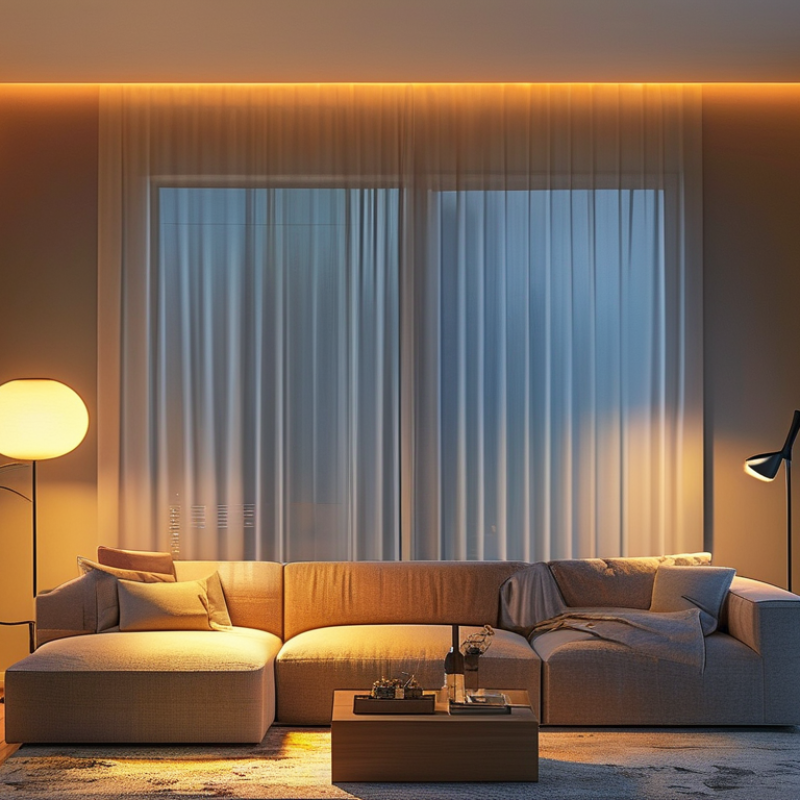
The 2026 top light home products are not judged by brightness alone. They should improve comfort, visibility, energy use, and daily control. In practical testing, I measure light levels near desks, kitchen counters, and bedside tables. A useful fixture should reduce glare without leaving dark corners. Warm-white settings also help bedrooms feel calmer at night.
Smart control matters, but reliability matters more. A good product responds quickly to a wall switch, voice command, or mobile control. It should continue working when the internet fails. I also examine heat, cable quality, cleaning access, and installation clarity. Safety documentation and recognized electrical testing provide stronger evidence than attractive packaging. Products with replaceable parts deserve attention.
Appearance still influences a room. Soft shades, slim profiles, and adjustable arms can support both modern and traditional interiors. However, some compact lights look elegant but spread light poorly. I learned this after testing one beside a reading chair. It was attractive. The page stayed dim.
For 2026, the strongest choices balance measurable performance with human comfort. They use efficient light sources, offer sensible brightness control, and avoid unnecessary features. Accessibility should guide design too, especially for older users or people with limited vision. My evaluation is not perfect. Personal rooms, wall colors, and habits change the result. That uncertainty should remain visible when comparing light home products.
What Are the 2026 Top Light Home Products?
Defining the 2026 top light home products through representative rated-life benchmarks. LED-based products generally provide long service life and lower replacement frequency than traditional incandescent lighting.
The figures show typical rated service life for common residential lighting categories and are presented as non-brand market benchmarks. Actual performance varies by product design, usage, temperature, and installation conditions.
Identifying Key Features and Performance Standards
In 2026, top light home products will be judged by measurable performance, not clever packaging. A useful evaluation begins with real rooms. Check claimed brightness against room size, ceiling height, and surface color. For a desk lamp, 500 to 1,000 lux may support focused work, but glare can still cause fatigue. Good products offer stable output, accurate color rendering, and several color temperatures. A high color rendering index helps fabrics, food, and skin look natural. Yet numbers alone can mislead. Manufacturer claims need independent test data.
Energy performance matters over years, not one afternoon. Compare lumens per watt, standby power, rated life, and heat management. LED units should maintain consistent brightness without visible flicker. A slow-motion phone check is useful, although it cannot replace laboratory testing. Look for electrical safety certification recognized in the sales region, clear installation instructions, and protection against overheating. Smart controls should work manually when the network fails. That detail is easy to miss.
The strongest 2026 choices also support repair or component replacement. Interchangeable drivers, standard connectors, and available spare parts reduce waste. Materials should resist yellowing, scratching, and repeated cleaning. In homes with children or older adults, rounded edges and simple controls improve practical safety. I would also record noise, switch response, and brightness after several hours. Not perfect. My preference is warm, dimmable light, but that is not a universal standard. Some products still prioritize appearance over serviceability. Buyers should request dated test results, warranty terms, and realistic lifetime assumptions.
What Are the 2026 Top Light Home Products? - Identifying Key Features and Performance Standards
Representative product categories and widely recognized performance benchmarks for residential lighting
| Product Category |
Typical Power |
Useful Light Output |
Recommended Efficacy |
Color Quality |
Color Temperature |
Expected Life |
Key Performance Standard |
Best Residential Use |
| General-Purpose LED Bulb |
8–12 W |
800–1,100 lm |
≥90 lm/W |
CRI ≥80; CRI ≥90 for improved appearance |
2700–4000 K |
15,000–25,000 hours |
Suitable for omnidirectional household lighting and consistent lumen maintenance |
Bedrooms, living rooms, hallways |
| High-Color-Rendering LED Bulb |
9–13 W |
800–1,200 lm |
80–100 lm/W |
CRI ≥90; R9 value preferably positive and substantial |
2700–3500 K |
15,000–25,000 hours |
Accurate rendering of skin tones, food, wood and artwork |
Kitchens, dining areas, dressing spaces |
| Dimmable LED Bulb |
8–12 W |
800–1,100 lm |
≥90 lm/W |
CRI ≥80; low flicker recommended |
2700–3000 K |
15,000–25,000 hours |
Smooth dimming from approximately 100% to 10% or lower without visible flicker |
Living rooms, bedrooms, entertainment areas |
| Connected LED Bulb |
8–11 W |
800–1,100 lm |
75–100 lm/W |
CRI ≥80; stable color across brightness levels |
1800–6500 K adjustable |
15,000–25,000 hours |
Reliable wireless control, scheduling, dimming and secure firmware support |
Automated rooms, rentals, accessibility-focused homes |
| LED Downlight |
8–15 W |
700–1,200 lm |
70–100 lm/W |
CRI ≥90 recommended for task areas |
2700–4000 K |
25,000–50,000 hours |
Low glare, accurate beam control and compatibility with insulated ceilings where required |
Kitchens, corridors, bathrooms, work areas |
| LED Strip Light |
4–15 W/m |
300–1,500 lm/m |
60–100 lm/W |
CRI ≥90 for visible architectural lighting |
2200–4000 K or adjustable white |
25,000–50,000 hours |
Consistent color, adequate heat dissipation and correct power-supply sizing |
Cabinet lighting, shelves, coves and stairs |
| LED Desk Lamp |
5–12 W |
400–1,000 lm |
60–90 lm/W |
CRI ≥90 preferred for reading and detailed work |
2700–5000 K adjustable |
25,000–50,000 hours |
Even illumination, minimal glare and low temporal light modulation |
Home offices, study desks, bedside tables |
| LED Ceiling Fixture |
18–40 W |
1,500–4,000 lm |
80–110 lm/W |
CRI ≥80; CRI ≥90 for premium interior applications |
2700–4000 K |
30,000–50,000 hours |
Uniform distribution, controlled glare and dependable thermal management |
Living rooms, bedrooms and open-plan interiors |
| Outdoor Wall or Path Light |
6–15 W |
400–1,200 lm |
60–100 lm/W |
CRI ≥80 |
2700–4000 K |
25,000–50,000 hours |
Minimum IP44 for general outdoor exposure; higher protection for direct weather exposure |
Entrances, patios, walkways and balconies |
Performance values are representative 2026 selection benchmarks. Actual results vary by optical design, operating temperature, dimmer compatibility, installation conditions and applicable regional regulations.
Evaluating Energy Use, Smart Functions, and User Safety
In 2026, top home lighting products should be judged by energy use, not brightness alone.
Check lumens, watts, standby consumption, and the product’s efficiency label. A 10-watt lamp may deliver more useful light than an older 15-watt model. That difference matters in kitchens, hallways, and rooms used for many hours. Warm light around 2700–3000K can feel comfortable in bedrooms, while cooler light may support focused work. However, color preferences vary. I still find some “efficient” lights unpleasantly harsh.
Smart functions can improve daily control when they solve a real problem. Motion sensors can switch corridor lights off after several quiet minutes. Scheduling can reduce overnight waste. Remote dimming is useful for homes with limited mobility. Reliable products should also offer physical controls, because apps, networks, and batteries sometimes fail. Privacy deserves attention too. Users should review data permissions and disable unnecessary location access. Compatibility with common home-control systems is helpful, but advertised compatibility may not guarantee smooth operation.
Safety requires more than a certification symbol on the package. Look for clear electrical ratings, secure plugs, stable bases, and protection against overheating. Keep fixtures away from curtains, water, and enclosed spaces unless their instructions permit it. Flicker can cause discomfort, especially during long reading or computer sessions. Children may also pull loose cables or touch hot surfaces. Professional installation is sensible for ceiling fixtures or unfamiliar wiring. Even careful buyers can overlook heat buildup. That small mistake can affect comfort, energy performance, and long-term reliability.
Selecting the Right Light Home Product for Different Needs
What Are the 2026 Top Light Home Products?
Selecting the Right Light Home Product for Different Needs
Choosing a home lighting product should begin with the room’s purpose, not its appearance. A warm, dimmable ceiling light suits bedrooms and living areas. A focused desk lamp works better for reading, drawing, or detailed computer tasks. Measure the room first. A product with excessive brightness can create glare, eye fatigue, and uncomfortable shadows.
In my own room test, a lower-lumen lamp felt more useful than a powerful fixture because it illuminated the book without lighting the entire wall.
For kitchens and workshops, select task lighting with stable output and a high color-rendering index. This helps reveal food colors, fabric tones, and small surface defects. Under-cabinet lights should spread evenly across the counter. Narrow beams often leave distracting dark patches. Adjustable portable lights can support renters, bedside reading, and emergency preparation without permanent installation. Battery life, charging time, heat control, and physical stability deserve equal attention.
Connected lighting may offer schedules, motion detection, and voice control, but convenience is not automatically reliability. Check privacy settings, offline controls, repair options, and electrical safety certification before purchasing.
Energy-efficient light sources usually reduce running costs, yet the longest stated lifespan may not match real household use. Dust, frequent switching, and poor ventilation can shorten performance.
My earlier assumption was wrong: the most advanced product was not the best choice. Simple controls and easy replacement mattered more for daily use.