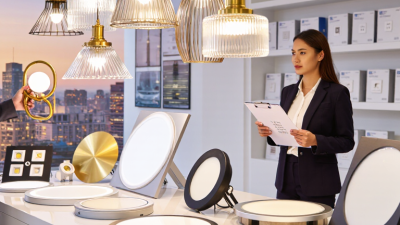


Wholesale lighting decisions rarely begin with appearance alone. They begin with performance, supply stability, and the cost of getting a choice wrong. This guide examines seven practical lighting sources for buyers comparing products across retail, hospitality, office, and industrial projects. The list includes LED modules, bulbs, panels, strips, tubes, high-bay fixtures, and solar-powered options. Each source serves a different purpose.
Real sourcing experience shows how quickly small details affect margins. A warm 3000K bulb may suit a hotel lounge, while a 5000K panel can support warehouse visibility. Buyers should check CRI, lumen output, efficacy, beam angle, dimming compatibility, IP rating, and expected lifespan. Samples matter. A product photograph cannot reveal flicker, glare, heat, or an inaccurate color claim. Factory audits, test reports, warranty terms, packaging quality, and replacement support also deserve close attention. Reliable suppliers explain limitations instead of promising perfection.
There is no universal winner. A low unit price may hide higher freight damage or inconsistent batches. A premium fixture may exceed the project’s actual needs. Even experienced buyers can overlook voltage differences, plug requirements, or regional certification expectations. That deserves a careful review before signing a purchase order. The most useful lighting sources balance visual comfort, energy performance, compliance, availability, and long-term service. Measured comparisons and clear supplier questions can reduce surprises and support more reliable wholesale decisions.
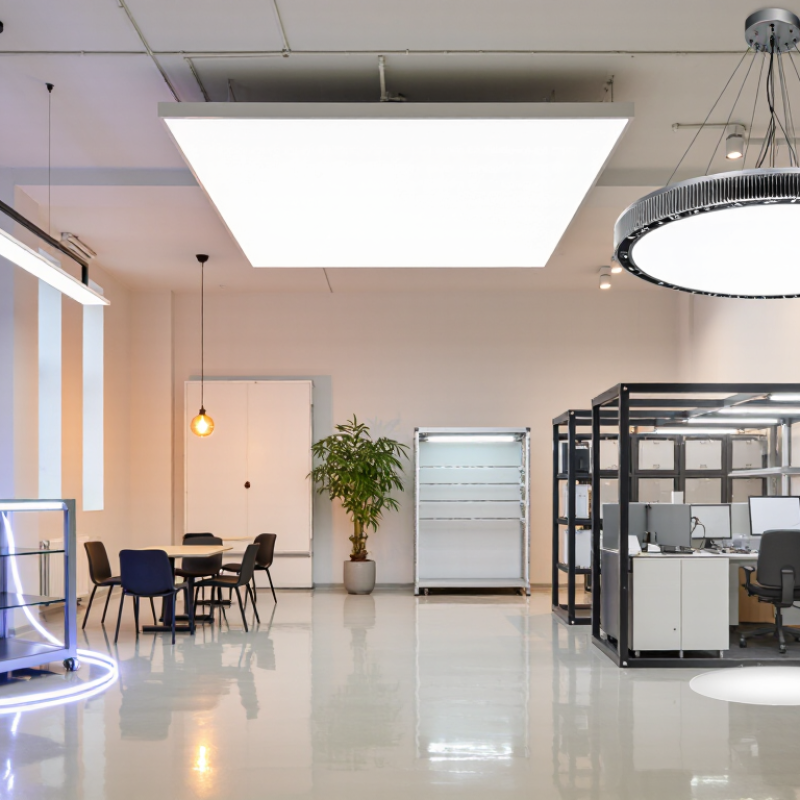
Wholesale buyers can choose from several lighting sources, each suited to different spaces. LED bulbs remain practical for homes, offices, and small retail areas. They use less energy and offer warm, neutral, or cool color temperatures. LED panels create even ceiling light, making them useful for classrooms and open-plan workspaces. Their slim shape also reduces installation problems.
Linear LED tubes suit warehouses, workshops, and long commercial fixtures. COB spotlights produce focused beams for displays, galleries, and hospitality interiors. High-bay LED fixtures are designed for tall ceilings, where strong downward light matters. Solar lighting works well for pathways, gardens, and remote outdoor areas. However, performance depends heavily on sunlight and battery quality.
Emergency lighting is another important wholesale category. It supports safe movement during power interruptions and often includes wall-mounted units or illuminated exit signs. Buyers should check battery duration, heat resistance, beam spread, and color consistency before placing large orders. I have seen attractive samples fail because their drivers overheated after several hours. That mistake is easy to repeat.
Ask for test reports, installation guidance, and a small sample batch. Compare brightness, energy use, packaging strength, and return handling. A low unit price may hide short service life or uneven light output. LED panels may look similar, but their diffusers can create very different glare levels. Careful testing remains essential.
7 Best Lighting Sources for Wholesale Buyers
Wholesale buyers often compare seven practical sources: LED bulbs, panels, tubes, strip lights, downlights, floodlights, and high-bay fixtures. Each serves a different space. Compare lumens, not watts alone, because two 20-watt products may produce very different brightness. Check efficacy, measured in lumens per watt. Higher efficacy can reduce operating costs, but only when heat control is adequate.
Color temperature affects how customers experience a space. Use 2700–3000K for warm hospitality areas, 4000K for offices, and 5000K for task-focused environments. A CRI of 80 suits general use, while 90 or higher reveals product colors more accurately. Review beam angle, dimming performance, startup time, and flicker data. Flicker is easy to overlook. It may cause discomfort during long working hours.
For outdoor or industrial orders, inspect IP and impact ratings, operating temperature, voltage range, driver quality, and surge protection. Ask for photometric reports, safety test documents, sample units, and warranty terms before confirming volume. In my sample checks, the printed lifespan sometimes looked impressive, yet thermal testing told a different story. That is worth questioning. Also compare carton strength, replacement rates, minimum order quantities, and spare-part availability. A low unit price can become expensive after damaged shipments or inconsistent color batches. Personally, I would test several units from different production batches before approving a large order. One sample is not enough.
Wholesale lighting decisions should begin with the commercial task, not the lowest carton price. In warehouses, linear high-bay LEDs provide even illumination across long aisles and loading zones. For retail shelves, adjustable track lights direct attention without flooding the entire floor. Offices often perform better with low-glare recessed panels above computer workstations. Keep color consistency in mind. A mixed white tone can make one room feel strangely uneven.
Food service spaces need comfortable light and practical maintenance. Warm, dimmable downlights suit dining areas, while sealed linear fixtures help illuminate kitchens. Hotels may combine bedside task lamps, corridor wall lights, and efficient ceiling fixtures. Outdoor parking areas require weather-resistant floodlights with controlled beam angles. Solar-powered units can support remote paths, but winter output may disappoint. Test seasonal performance before ordering deeply.
Wholesale buyers should request photometric files, safety documentation, color-rendering data, warranty terms, and replacement-part availability. Ask for samples before a full pallet arrives. Measure lux at working height, not only at the ceiling. Check driver noise in quiet offices and flicker near cameras. I once overlooked mounting hardware, creating avoidable installation delays. That mistake still shapes my purchasing checklist. Compare lifespan claims with operating temperature and cleaning schedules. The cheapest fixture may cost more when access equipment, downtime, and returns are included.
Typical luminous efficacy by lighting source for different commercial applications
LED lighting provides the highest practical efficacy among widely used commercial options, making it suitable for offices, retail stores, warehouses, hospitality, and outdoor facilities. High-pressure sodium and metal halide remain useful for selected outdoor and high-bay applications, while fluorescent, compact fluorescent, halogen, and incandescent sources are generally chosen for specific retrofit, color-quality, or decorative requirements. Values shown are representative midpoint figures from commonly published industry ranges; actual performance varies by product design, wattage, optics, and operating conditions.
Wholesale buyers can source LED bulbs, strip lights, panels, downlights, floodlights, high-bay fixtures, and portable work lights. Each category serves a different project and pricing structure. LED bulbs usually offer simple packaging and predictable demand. Panels and high-bay fixtures need stricter checks because heat management affects service life.
Ask suppliers for tiered pricing, minimum order quantities, sample costs, and replacement policies. A low unit price can hide expensive packaging, testing, or freight charges. I have seen buyers compare carton prices while missing connector costs and damaged-goods allowances. That mistake is common. Request a landed-cost estimate before approving a large order. Include duty, transport, insurance, and local handling fees.
Certification documents require careful review. Check whether reports match the exact model, wattage, voltage, and production site. Useful documents may include electrical safety, electromagnetic compatibility, photobiological safety, and energy-efficiency evidence. Requirements differ by destination, so confirm them with a qualified local compliance professional. A certificate with the wrong model number is not reliable. Ask for test dates and laboratory details. Supply stability matters too. Review monthly capacity, lead times, component sources, and backup plans for shortages. Keep a small sample batch under real conditions. It may reveal flicker, color inconsistency, or weak connectors before your warehouse is full.
For wholesale buyers, the seven most useful lighting sources are manufacturer-direct factories, certified distributors, local representatives, trade exhibitions, verified online marketplaces, OEM workshops, and specialized electrical wholesalers. Each source offers different advantages. Factories may provide better pricing, while distributors often deliver faster support. Trade exhibitions allow buyers to inspect finishes, wiring, packaging, and sample performance in person.
Reliable suppliers need more than attractive catalogs. Ask for current product specifications, safety test reports, production photos, and clear warranty terms. Check whether the supplier understands your destination market’s electrical requirements. Request samples from the same production line used for bulk orders. A sample can look excellent, yet a larger shipment may reveal uneven coating, loose connectors, or inconsistent brightness.
I once focused too heavily on unit price and overlooked carton strength. Several shades arrived scratched. That mistake still influences my purchasing process. Review the supplier’s quality-control steps, inspection records, replacement policy, and response time. Ask for a small trial order before committing to a container. Confirm payment milestones, lead times, spare parts, and packaging details in writing. Visit the facility when possible. If travel is impractical, request a live video inspection. Trust grows from evidence, not polished promises. Beware of vague answers. Reliable suppliers explain problems directly and offer measurable solutions.
| Lighting Source | Typical Efficacy | Typical Rated Life | Common Color Temperatures | Typical CRI | Best Wholesale Applications | Bulk-Order Advantages | Supplier Reliability Checks |
|---|---|---|---|---|---|---|---|
| LED | 80–180 lm/W, depending on product design and driver efficiency | 25,000–100,000 hours, usually based on an L70 performance rating | 2,700–6,500 K | 80–98 | Commercial buildings, retail spaces, warehouses, offices, street lighting, residential projects | Low energy consumption, long service life, instant start, broad product range, and easy dimming options | Request LM-80/TM-21 or equivalent LED performance data, driver details, thermal test results, consistent color-bin information, warranty terms, and sample batch testing |
| Linear Fluorescent | 70–105 lm/W | 15,000–36,000 hours | 2,700–6,500 K | 70–95 | Existing office fixtures, schools, workshops, supermarkets, and utility areas | Established technology, uniform light output, and compatibility with many existing luminaires | Confirm ballast compatibility, lamp starting performance, mercury-management requirements, rated life conditions, and packaging protection during shipping |
| Compact Fluorescent | 45–75 lm/W | 6,000–15,000 hours | 2,700–6,500 K | 80–90 | Replacement lamps, hospitality spaces, residential projects, and small commercial areas | Lower purchase cost than many premium LED products and broad socket compatibility | Verify electronic-ballast compatibility, warm-up behavior, lumen maintenance, breakage protection, and applicable hazardous-material handling requirements |
| Metal Halide | 75–125 lm/W | 10,000–24,000 hours | 3,000–6,500 K | 65–90 | High-bay facilities, sports venues, industrial sites, and large retail spaces | High-intensity illumination and good color appearance for large open areas | Check warm-up and restrike times, ballast requirements, UV-shielding provisions, lamp orientation, and replacement-cycle documentation |
| High-Pressure Sodium | 80–150 lm/W | 12,000–24,000 hours | 1,900–2,200 K | 20–65 | Roadways, parking areas, security lighting, warehouses, and outdoor industrial sites | High lumen output, strong energy efficiency for outdoor illumination, and good performance in cold environments | Confirm ballast and ignitor specifications, color-rendering requirements, photometric files, lamp-starting performance, and local disposal rules |
| Halogen | 15–25 lm/W | 2,000–4,000 hours | 2,700–3,200 K | 95–100 | Display lighting, stage lighting, accent lighting, and applications requiring precise color rendering | Excellent color rendering, smooth dimming, and familiar warm light quality | Confirm heat-management requirements, socket compatibility, safety labeling, packaging quality, and compliance with local energy-efficiency regulations |
| Incandescent | 10–17 lm/W | 750–2,000 hours | 2,700 K | 100 | Decorative lighting, specialty fixtures, temporary installations, and heritage-style applications | Very low upfront cost, simple dimming, and excellent color rendering | Check whether the target market restricts general-service incandescent lamps, then verify voltage, filament construction, breakage rate, and export-packaging standards |
Note: Performance figures are typical industry ranges and can vary by wattage, optical design, operating temperature, control gear, testing method, and regional regulations. Buyers should request independent test reports and production samples before placing a bulk order.