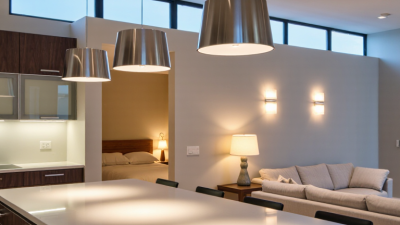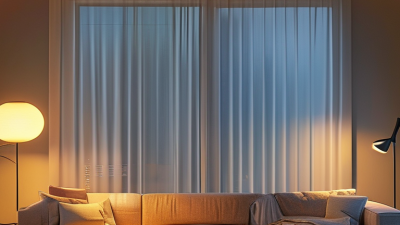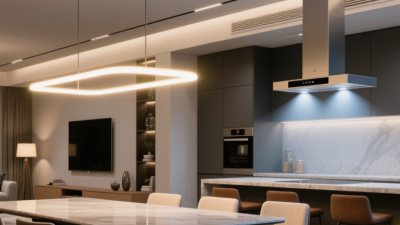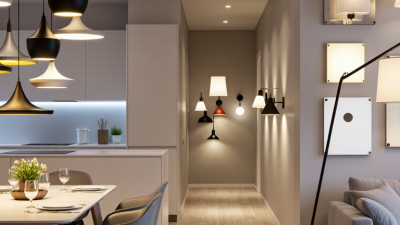


Choosing the right lighting for your home is not just about picking attractive lamps. It means matching light to the way each room is used, the time of day, and the details you want to notice. A kitchen needs clear light over counters. A living room may feel more comfortable with softer sources near the sofa. In a hallway, even illumination can make movement easier. Small choices matter.
Lighting designer Thomas E. Farin is credited with the observation, “Light is the first element of design; without it, there is no color, form, or texture.” That idea offers a useful starting point for lighting at home. This guide explores ambient, task, and accent lighting, then considers brightness, color temperature, fixture placement, and natural daylight. It also explains why one ceiling fixture rarely serves every purpose well.
There is no single perfect plan. A warm bulb that feels restful in a bedroom may seem dim beside a kitchen worktop. Before buying fixtures, notice where shadows fall and which corners stay unused after sunset. Try changing one light at a time. It can be surprisingly revealing. The choices may still feel imperfect, and that is worth reflecting on: everyday comfort matters more than a room that only looks polished in a photograph.
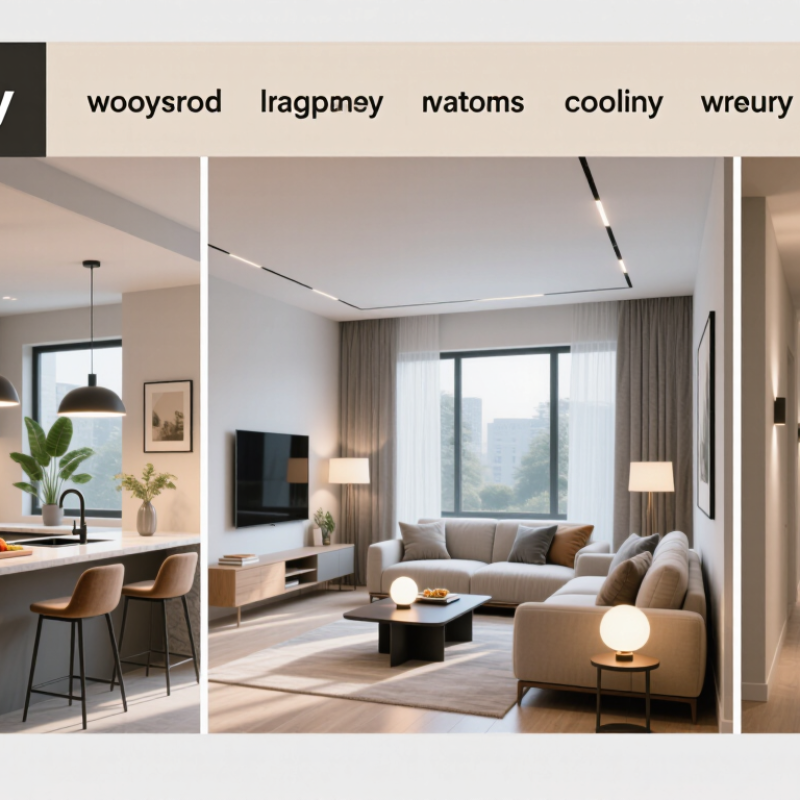
Start with the room’s purpose, then notice how its size and daylight change across the day. A kitchen needs clear light over counters, while a living room benefits from softer, adjustable pools of light. In a small bedroom, a wide ceiling fixture can feel harsh; bedside lamps keep light where it is needed. Watch the shadows.
Estimate how much daylight reaches each area. A north-facing room, deep hallway, or window shaded by trees may need stronger daytime support than a bright room with unobstructed windows. Check at different hours, not just during a sunny viewing. Test at night. Your eyes can adapt, so a room may seem brighter than it really is.
For electric lighting, compare lumen output and beam spread with the room’s size and tasks, rather than choosing by bulb wattage alone. The U.S. Department of Energy’s LED Basics guidance reports that LEDs use at least 75% less energy and can last up to 25 times longer than incandescent lighting. That is useful context, but it does not tell you whether a fixture will feel comfortable. The Illuminating Engineering Society’s guidance emphasizes matching light levels to visual tasks; treat any target as a starting point, since wall color, furniture, and daylight all affect the result. A floor plan helps, but it cannot capture every shadow. I would still adjust after living with the lighting for a few evenings.
| Room | Purpose and Typical Size | Assess Natural Light | Suggested Light Level | Practical Lighting Plan |
|---|---|---|---|---|
| Living Room | Relaxing, conversation, and entertainment; often about 180–350 sq ft (17–33 m²). | North-facing rooms or rooms with shaded windows may need more daytime and evening support. Bright rooms can rely more on daylight during the day. | About 10–20 foot-candles for general ambient lighting; add brighter, focused light for reading or hobbies. | Combine dimmable ceiling or wall lighting with floor or table lamps. Aim reading lights at seating and use accent lights to highlight artwork or shelves. |
| Kitchen | Food preparation, cooking, and dining; often about 100–200 sq ft (9–19 m²). | Consider whether windows light the counters as well as the center of the room. Upper cabinets can cast shadows on work surfaces. | About 30–40 foot-candles for general lighting; roughly 50–75 foot-candles on food-preparation surfaces. | Use broad, even ceiling lighting and add task lights over counters, the sink, and the cooktop. Position task lighting to reduce shadows from the user. |
| Bedroom | Rest, dressing, and reading; often about 120–250 sq ft (11–23 m²). | Check whether daylight reaches the wardrobe and dressing area. Use window coverings to control glare and preserve comfortable light for winding down. | About 10–20 foot-candles for general lighting; around 30–50 foot-candles at a reading area. | Choose dimmable ambient lighting and bedside reading lights. Add dedicated lighting inside or near wardrobes if the room’s general light does not reach them. |
| Bathroom | Grooming, bathing, and general use; often about 40–100 sq ft (4–9 m²). | Small windows may provide limited daylight. Pale surfaces reflect more light, while dark finishes may make the room feel dimmer. | About 20–30 foot-candles for general lighting; roughly 50–70 foot-candles at the mirror for grooming. | Use a suitable ceiling fixture for even general light and place mirror lighting to illuminate the face evenly, ideally from both sides. Select fixtures rated for the installation location and moisture conditions. |
| Home Office | Computer work, reading, and video calls; often about 80–150 sq ft (7–14 m²). | Place screens to limit reflections from windows. Diffuse direct sunlight with adjustable blinds or curtains when glare is an issue. | About 30–50 foot-candles for general work; provide additional adjustable task light for detailed reading or paperwork. | Combine even ambient lighting with an adjustable desk lamp. Keep the lamp out of the direct screen-reflection path and avoid strong brightness contrasts. |
| Dining Room | Meals, conversation, and occasional work or games; often about 100–200 sq ft (9–19 m²). | Observe how daylight changes across the table during the hours the room is used. Direct sunlight may need filtering to avoid glare. | About 10–20 foot-candles for a relaxed setting; use brighter, adjustable light for tasks such as reading or games. | Center a dimmable pendant or ceiling fixture over the table and add optional wall or accent lighting for a balanced atmosphere. |
| Hallway and Entry | Passing through, entering the home, and locating doors or steps; size varies with the layout. | Interior hallways often have little or no daylight. Entries with windows may need less artificial light during the day. | About 5–10 foot-candles for general circulation, with brighter light where there are stairs or changes in floor level. | Provide even, regularly spaced ceiling or wall lighting. Use additional light at steps, entrances, and other areas where visibility is important. |
Planning note: Foot-candles describe the light reaching a surface; 1 foot-candle equals 1 lumen per square foot. Treat the ranges as starting points, since ceiling height, fixture shades, room finishes, personal preference, and daylight all affect the result. Layer ambient, task, and accent lighting, and check the fixture’s delivered light output when choosing products.