How to Find Top China Light Supply Manufacturers?
Finding a reliable light supply manufacturer in China requires more than comparing prices on a supplier platform. The right partner should combine engineering knowledge, stable production, transparent communication, and consistent quality control. A polished catalog is useful. It is not proof.
Ingo Maurer, the renowned German lighting designer, once said, “Light is the fourth dimension of architecture.” His words explain why sourcing decisions matter. A poorly designed fixture may flicker, overheat, or distort a carefully planned interior. Buyers should examine LED brands, driver performance, beam angles, color consistency, and heat management. Ask for test reports, product samples, factory photographs, and recent project references. Then compare the evidence.
A dependable manufacturer should explain its minimum order quantity, production capacity, lead time, packaging method, and warranty process. Factory audits can reveal details that websites hide, such as crowded assembly benches, weak inspection routines, or unclear component storage. Request a sample before approving a large order. Test it for brightness, temperature, finish quality, wiring, and performance after extended use. Small defects become expensive at scale.
The lowest quotation may look attractive. It may also conceal compromises. I have seen sourcing plans focus heavily on unit cost while ignoring replacement parts and after-sales support. That is a mistake worth challenging. A strong light supply partner welcomes technical questions and records corrective actions clearly. Certifications should match the destination market, product type, and actual model. With careful verification, buyers can reduce risk and build a more dependable long-term supply chain.
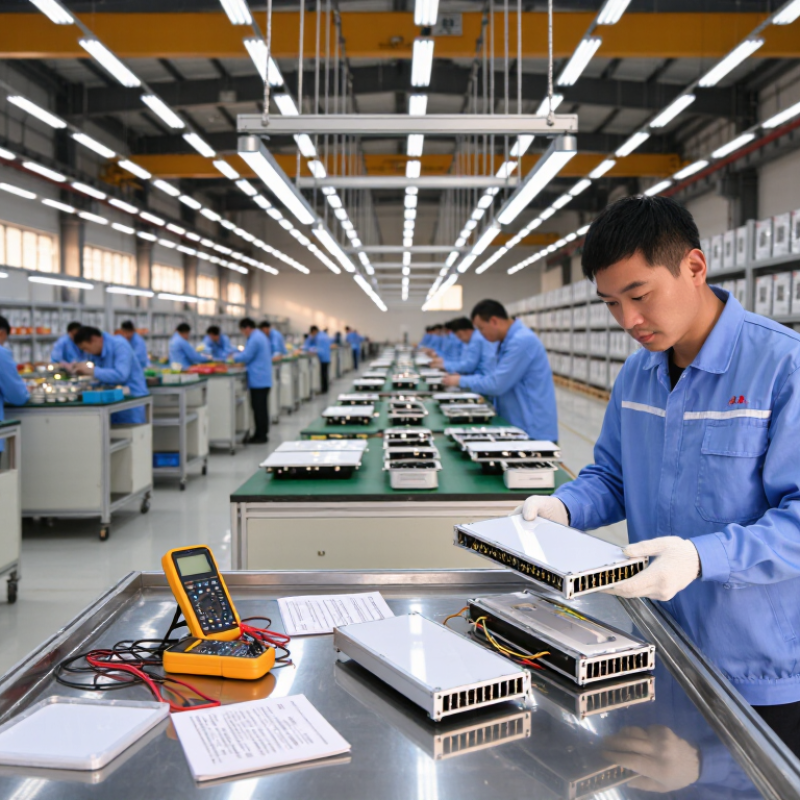
Define Your Lighting Product Needs and Sourcing Requirements
Before searching for top China light supply manufacturers, define exactly what you need. Describe the fixture type, dimensions, wattage, color temperature, beam angle, finish, and installation method. Include target markets and expected order volume. A simple product brief prevents vague quotations and costly revisions.
Think about real use conditions. A hotel corridor needs different glare control from a retail display. Ask for material details, driver information, photometric data, packaging standards, and sample lead times. Confirm whether the supplier can support custom molds or only standard models. I once underestimated packaging space, and the final shipping cost changed the project budget.
Tips: Prepare a one-page specification sheet. Request a working sample before bulk production. Compare test reports with the sample, not only with the quotation. Check factory experience through production photos, inspection records, and clear communication. Ask how defects are handled and recorded. A reliable manufacturer should answer with measurable details, not broad promises. Keep tolerances realistic, because perfect consistency may require higher costs or longer lead times. Also review electrical and safety requirements for your destination market. These details are easy to overlook. They matter.
Research China’s Main Lighting Manufacturing Regions and Clusters
How to Find Top China Light Supply Manufacturers?
China’s lighting industry is concentrated in several specialized regions. UN Comtrade’s 2023 HS 9405 data shows China exported roughly US$30 billion in lighting products. That scale reflects deep supplier networks, not equal quality.
Zhongshan’s Guzhen cluster is known for decorative fixtures, commercial lamps, and dense wholesale markets. Factory visits often reveal showrooms beside small assembly workshops. Shenzhen and Dongguan focus more on electronic controls, smart lighting, and compact components. Zhejiang’s Ningbo and Yuyao regions offer strong metalwork, injection molding, and outdoor-housing suppliers. Jiangsu and Fujian also support electrical components and finished fixtures.
Look beyond the city name. The China Lighting Industry Association’s 2024 industry materials emphasize efficiency upgrades, intelligent controls, and export compliance. A suitable manufacturer should show its testing room, aging-test records, production schedule, and traceable component sources. Ask whether its factory performs photometric testing, temperature testing, and electrical safety checks. Request recent samples from the same production line, not showroom pieces.
Maps can mislead. A famous cluster may contain excellent factories and weak trading offices. I once saw a polished sample fail after repeated heat cycling. That detail changed the evaluation. Supplier selection should compare factory ownership, engineering depth, quality records, and response speed. A lower quotation is not automatically a better supply solution.
How to Find Top China Light Supply Manufacturers?
Research China’s Main Lighting Manufacturing Regions and Clusters
Guangdong has the strongest concentration of lighting production hubs, led by Zhongshan, Foshan and Dongguan. Zhejiang, Jiangsu, Fujian and Shanghai also contain established manufacturing centers. The figures show the number of widely recognized lighting hubs in each region, not company counts or market-share estimates.