

What Is Home Lighting and What Types Are Available?

Home lighting is the planned use of natural and electric light to make rooms comfortable, practical, and visually welcoming. It includes more than choosing a ceiling fixture. The light’s brightness, color, direction, and placement can affect how clearly you read, prepare food, move through a hallway, or relax in the evening. A warm bedside lamp, for example, serves a different purpose from a bright light over a kitchen counter. Small changes matter. Still, lighting advice is not one-size-fits-all; room size, window position, wall color, and personal sensitivity can all change how a space feels.

This guide explains the main types of home lighting and how they work together. Ambient lighting provides general illumination, often from ceiling fixtures or several evenly spaced sources. Task lighting focuses on specific activities, such as a desk lamp beside a notebook or under-cabinet lights above a work surface. Accent lighting draws attention to details, like a framed photograph or textured wall. Natural daylight also plays a role, but it changes throughout the day and cannot replace every electric light. Choices depend on the room and the people using it. A bright bulb may help with detailed work, yet feel harsh beside a sofa. That trade-off is easy to overlook. By considering each layer, fixture location, and bulb specification, you can make more informed choices without assuming that one expensive fitting will solve every lighting problem.
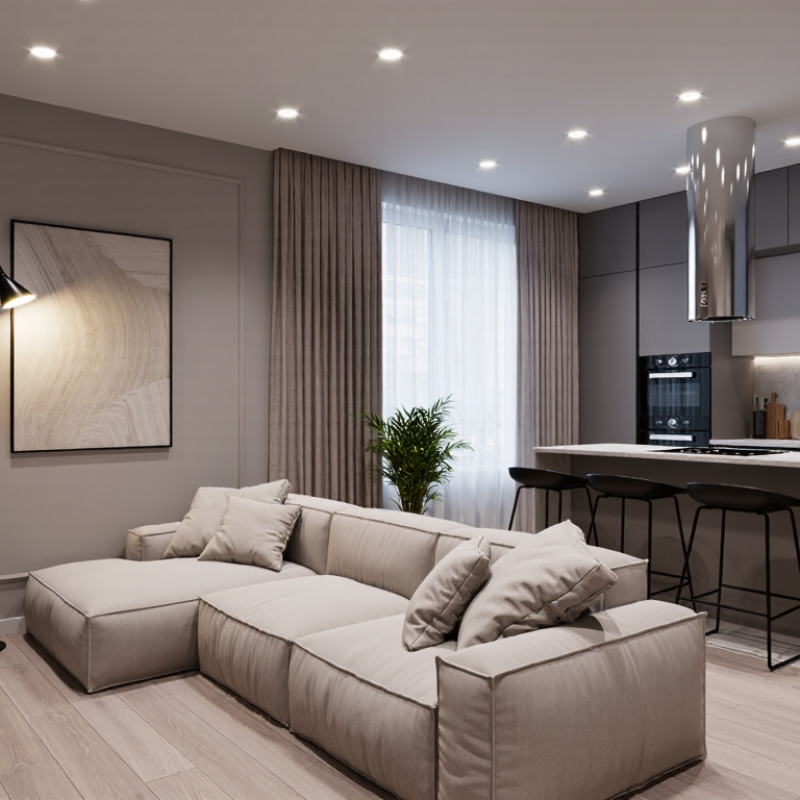
What Is Home Lighting and What Types Are Available?

What Home Lighting Is and How It Shapes Indoor Spaces

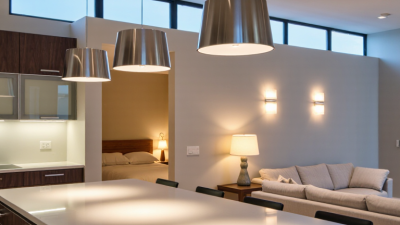
Home lighting is the planned use of natural and electric light inside a home. It affects what people can see, how rooms feel, and which details draw attention. A warm pool of light beside a sofa can make a large room feel intimate. A bright ceiling fixture may reveal more, but it can also make a quiet corner feel exposed.

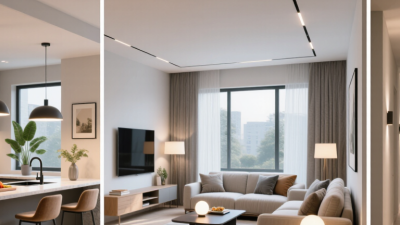
Ambient, task, and accent lighting each shape a space differently. Ambient light provides general visibility; task lighting focuses on activities such as reading or chopping vegetables. Accent light highlights objects, like a framed print or textured wall. Layering these sources adds depth and flexibility. Still, a room can feel flat when every fixture shines with equal brightness. Dimming helps, though it is not always the answer.

Light also affects comfort and energy use. The U.S. Department of Energy’s Energy Saver guidance reports that LED lighting uses at least 75% less energy and lasts up to 25 times longer than incandescent lighting. Those figures support choosing efficient bulbs, but brightness and color temperature matter too. A cool, bright lamp near a bed may feel harsh at night, while a dim bulb over a work surface can strain the eyes. Small adjustments can change the room more than expected. Easy to miss.
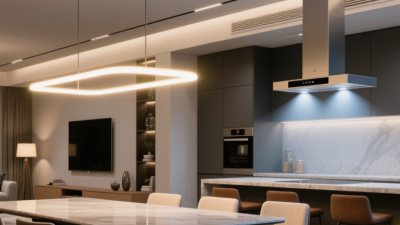
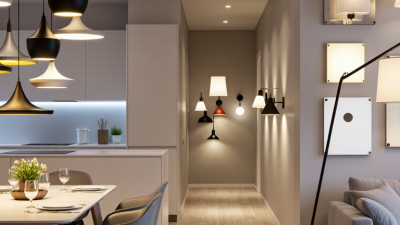
Home Lighting: Typical Illuminance by Indoor Activity

Illuminance is the amount of light reaching a surface, measured in lux. These typical planning ranges show how different activities call for different light levels. Layering ambient lighting with focused task or accent lighting can add comfort, visibility, and depth to an indoor space.

The Main Functions of Lighting in a Home

Home lighting serves more than one purpose: it helps people see, move safely, and use each room comfortably. A ceiling fixture can brighten a hallway, but one bright bulb may leave shadows near a doorway or stair. Even light near floor level can make evening movement easier. Good visibility matters.

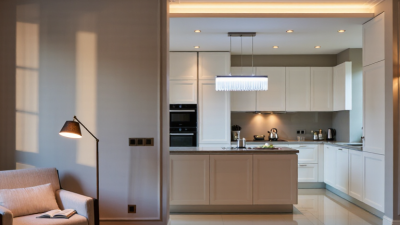
Lighting also supports specific tasks. A focused lamp beside a reading chair reduces the need to strain, while under-cabinet lights make chopping and checking food easier. In a bathroom, clear light around the mirror helps with grooming. Placement matters as much as brightness; light aimed straight at a glossy counter can create glare. Small details count.

Light influences how a room feels, too. Softer, warmer light often suits winding down, while brighter, more neutral light can help with daytime tasks. Dimmers allow one room to serve different needs. Still, a room can look bright and feel tiring if the light is harsh or uneven. Check the effect at different times of day, not just when installing a fixture. Natural daylight changes the balance.

How Ambient, Task, and Accent Lighting Differ

Home lighting is easier to plan when each layer has a clear job. Ambient lighting provides the general glow that helps people move around comfortably. It may come from ceiling fixtures, wall lights, or daylight through a window. A single bright ceiling lamp can fill a room, but it may also leave faces looking flat and corners dim. Soft, even light matters.

Task lighting focuses on a specific activity. A desk lamp can brighten a notebook without lighting the whole room, while under-cabinet lights make a kitchen counter easier to see. Aim the light carefully. If it shines straight into your eyes, it creates glare instead of helping.

Accent lighting draws attention to a feature, such as artwork, a textured wall, or a shelf of books. A small adjustable spotlight can create a pool of light, but too many highlights may make a room feel busy. The three types often overlap. A reading lamp might add both task light and a warm accent beside a chair. That is fine. The useful question is whether the light supports the activity and feels comfortable at different times of day. I used to treat brighter as better; that is not always true. A dimmer or a second, softer source can sometimes improve a space more than a stronger bulb.

What Is Home Lighting and What Types Are Available? — How Ambient, Task, and Accent Lighting Differ

Lighting Type Main Purpose Common Fixtures Typical Home Uses Planning Guidance Key Consideration
Ambient lighting Provides general illumination so people can move around and use a room comfortably. Ceiling fixtures, recessed lights, chandeliers, wall lights, and indirect cove lighting. Living rooms, bedrooms, kitchens, hallways, and other shared spaces. A commonly used starting range for general residential areas is about 100–200 lux, adjusted for the room and its activities. Even distribution helps reduce dark areas and harsh shadows. Dimmers can make the same room useful at different times of day.
Task lighting Directs light onto a specific work area to support activities that need clearer visibility. Desk lamps, under-cabinet lights, reading lamps, vanity lights, and adjustable work lights. Reading, cooking, studying, grooming, sewing, and other close-up tasks. Many detailed activities benefit from roughly 300–500 lux on the task surface; the appropriate level depends on the task and the person. Position the light to limit glare and shadows. For desk work, place it so the user’s hand or body does not block the beam.
Accent lighting Highlights a feature or creates visual interest rather than lighting an entire room evenly. Track heads, picture lights, adjustable recessed spotlights, and wall-washing fixtures. Artwork, bookshelves, textured walls, architectural details, and display objects. Set the highlighted area brighter than its surroundings. A contrast of about 3:1 is a common design starting point, not a fixed requirement. Aim carefully to avoid glare, reflections, or unwanted shadows. Use suitable fixtures and placement for the object being highlighted.
Layered lighting Combines ambient, task, and accent light so a room can support different activities and moods. A mix of general fixtures, local work lights, and focused accent lights. Living rooms, kitchens, bedrooms, and multipurpose rooms. Use separate controls where practical, so each layer can be switched or dimmed independently. Layering improves flexibility; it does not require every light to be on at once.

Note: Lux measures illuminance—the amount of light reaching a surface. The ranges above are practical starting points, not universal standards; room size, surface finishes, daylight, fixture placement, and individual visual needs all affect the result.

Common Types of Home Lighting Fixtures

Common Types of Home Lighting Fixtures

Home lighting fixtures usually serve ambient, task, or accent functions. Ceiling-mounted flush lights spread general light across a room, while pendants bring it closer to kitchen islands or dining tables. Recessed fixtures keep ceilings visually quiet, but their beam angles matter. A narrow beam can leave dark patches on a countertop. Small rooms behave differently. Wall sconces soften hallways and add useful light beside a bed; table and floor lamps offer flexible task lighting for reading. Track fixtures can aim light at artwork or shelves, though poorly directed beams may cause glare.

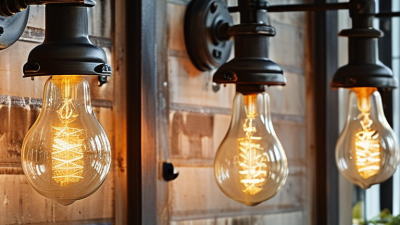
The fixture is only part of the decision. Placement, shade material, and bulb color temperature change how a room feels. The U.S. Department of Energy’s Energy Saver guidance says LEDs use at least 75% less energy and can last up to 25 times longer than incandescent bulbs. The International Energy Agency reports that lighting uses about 15% of global electricity. These figures make efficient lamps worth considering, but they do not guarantee a comfortable room. A bright ceiling light can still feel harsh. Layering a dimmable ceiling fixture with a shaded lamp often gives residents more control, though the best balance may take a little trial and adjustment.

Factors That Guide Home Lighting Choices

A room’s purpose should guide its lighting more than a fixture’s appearance. A kitchen often needs even, bright light over counters, while a living room benefits from softer layers for reading and conversation. In a bedroom, a focused bedside lamp can be more useful than one strong ceiling light. Still, habits differ from household to household. Light changes by hour.

Window size and direction affect how much daylight a room receives. A north-facing room may feel cooler and dimmer, while afternoon sun can create glare on screens. Watch how the space looks at different times before choosing bulb brightness or color temperature. Warm light often feels restful; neutral light can make detailed tasks easier. Neither is right everywhere.

Room size, ceiling height, wall color, and surface finishes also shape the result. Pale walls reflect more light than dark paint, so the same fixture may feel brighter in one room than another. Dimmers allow useful adjustments, provided the bulbs and controls are compatible. I have sometimes chosen a lamp for its looks, then found its shade blocked light from the desk. That small mistake is a reminder: check where light lands, and consider whether fixtures are easy to clean or replace.