Why Is Site Lighting Important for Construction Projects?
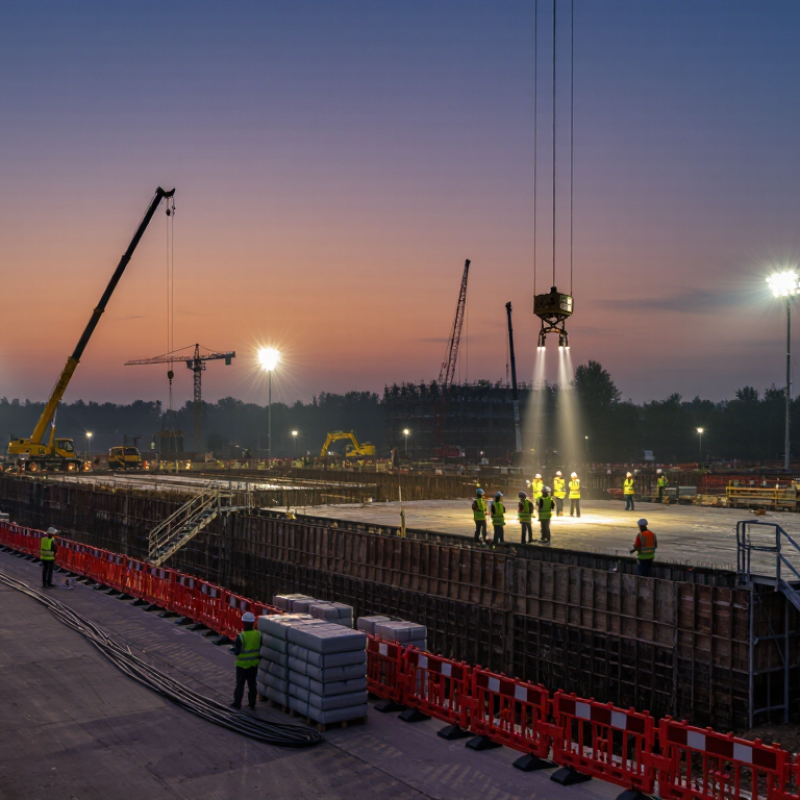
Construction work rarely pauses when daylight fades. Crews may pour concrete before sunrise, guide reversing machinery, or inspect temporary stairs beneath portable lamps. In these conditions, site lighting helps workers see hazards, read plans, and coordinate tasks. Visibility matters. Yet illumination is not a substitute for training, housekeeping, or safe work procedures.
The U.S. Occupational Safety and Health Administration’s construction standard, 29 CFR 1926.56, sets minimum illumination levels for work areas. For example, it specifies five foot-candles for general construction areas and ten for construction plants and shops. These figures offer a useful baseline, not a guarantee that every task is clearly visible. A lamp can meet a measured level while casting a hard shadow across a cable or leaving a stair edge difficult to distinguish. Small details count.
The stakes are substantial. The U.S. Bureau of Labor Statistics reported 1,075 fatal work injuries in the construction industry in 2023. That figure does not show that poor lighting caused those deaths, but it underscores why jobsite hazards deserve careful attention. Good lighting plans consider placement, glare, changing work zones, weather, and backup power—not just fixture brightness. Even a thoughtful plan can miss an awkward shadow beside a temporary access route. That deserves a second look. This article explains why site lighting matters, how it supports safer and more productive work, and what project teams should assess before and during construction.
What Site Lighting Means in Construction Projects
Site lighting in construction means the temporary or permanent illumination used across an active work area. It covers more than floodlights around the site boundary. Lights may serve access roads, material storage, scaffolds, entrances, and specific work zones. The goal is to help workers see surfaces, tools, vehicle routes, and nearby hazards as daylight fades or indoor areas remain dim.
A practical setup matches light to the task. A crew checking a concrete pour needs clear, even illumination, while a vehicle route needs visible edges and turning areas. Poorly placed lights can create hard shadows or shine into workers’ eyes. That can make a raised cable or uneven patch of ground harder to notice. Small details matter. Positioning, height, direction, and regular checks all affect what people can actually see.
Conditions change as construction progresses. A lighting plan that works before walls go up may leave dark corners once partitions, equipment, or stored materials shift. Rain, dust, and vibration can also affect fixtures and visibility. On paper, a site may look evenly lit; on the ground, one shadow can still hide a step. It is worth walking the area after setup and again when the work layout changes. That extra check is easy to overlook.
How Adequate Lighting Helps Prevent Accidents
Construction sites change quickly, and poor lighting can turn ordinary tasks into serious hazards. A worker carrying materials may miss a cable across a walkway. An operator may not see a person near reversing equipment. Clear, even light helps crews spot obstacles, read surface conditions, and judge distances before moving.
It matters most around stairs, temporary walkways, loading areas, and active work zones. Lighting should cover the task, not just the general area. A bright lamp aimed at eye level can create glare and hide details in deep shadows. Positioning fixtures to reduce both problems takes planning. It also needs regular checks, since dust, weather, and moved equipment can reduce visibility.
Keep access routes visible. Check them after dark.
Temporary lights can shift as the site changes, so a layout that worked yesterday may leave a blind corner today. Walk the site during the actual work shift and look for dark patches, harsh reflections, and cords crossing paths. Ask workers where visibility feels poor; they often notice problems before supervisors do. No lighting plan removes every risk, and I would not assume that adding more lamps automatically makes a site safer. The placement, maintenance, and fit with the work matter just as much.
Why Is Site Lighting Important for Construction Projects? — How Adequate Lighting Helps Prevent Accidents
| Work area or activity |
OSHA minimum illumination |
Approximate equivalent |
How lighting helps reduce risk |
| Excavation and waste areas; access ways; active storage areas; loading platforms; refueling and field-maintenance areas |
3 foot-candles |
32 lux |
Helps workers see changes in ground level, stored materials, vehicle paths, and trip hazards while moving through these areas. |
| General construction areas |
5 foot-candles |
54 lux |
Supports safer movement and general work by making people, equipment, and common obstacles easier to identify. |
| Indoor warehouses, corridors, hallways, and exitways |
5 foot-candles |
54 lux |
Improves visibility along routes used by workers and helps keep exits and obstructions easier to recognize. |
| Tunnels, shafts, and general underground work areas |
5 foot-candles |
54 lux |
Helps workers navigate confined, low-light spaces and see nearby tools, surfaces, and moving equipment. |
| Tunnel and shaft headings during drilling, mucking, and scaling |
10 foot-candles |
108 lux |
The higher minimum supports visibility during demanding work near active drilling and material handling. |
| Construction plants and shops |
10 foot-candles |
108 lux |
Helps workers see machinery, materials, and work surfaces in active plant and shop environments. |
| First-aid stations, infirmaries, and offices |
30 foot-candles |
323 lux |
Provides greater visibility for first-aid tasks, office work, and reading documents or instructions. |
Source: U.S. OSHA, 29 CFR 1926.56(a), Table D-3. Lux values are approximate conversions (1 foot-candle = 10.764 lux). These are OSHA minimum illumination levels, not a guarantee that a work area is adequately lit for every task. Check applicable local requirements and assess actual conditions, including shadows, glare, changing work locations, and lighting at the working surface.
How Lighting Supports Work Quality and Productivity
Good site lighting helps crews spot uneven concrete, read tape marks, and check weld edges before defects spread. Clear visibility can reduce measuring errors and avoidable rework. It also makes handoffs easier when several trades share a dim work area.
OSHA’s construction illumination standard, 29 CFR 1926.56, sets a minimum of 5 foot-candles, about 54 lux, for many general construction areas. That is a baseline, not a guarantee of good task visibility. HSE’s guidance, Lighting at Work (HSG38), also highlights glare, contrast, and the lighting needed for specific tasks. The numbers matter. So does where the light falls.
A practical setup puts even light on the work surface, not straight into a worker’s eyes. For example, a lamp aimed across a formwork joint can reveal gaps; the same lamp aimed at eye level may cause glare and slow inspection. Shadows can hide defects. Dust, rain, and changing work positions also affect visibility, so crews may need to reposition lights during a shift. Perfect coverage is hard to achieve. Still, checking dark corners and cable routes before work starts is a useful habit.
Adequate lighting helps workers see task details, support consistent work quality, and move around the site more safely. The chart shows OSHA minimum illumination levels for selected construction areas; specific tasks may require brighter lighting.
Source: OSHA, 29 CFR 1926.56. Values are minimum foot-candles.
How Site Lighting Improves Security and Visibility
Why Is Site Lighting Important for Construction Projects?
How Site Lighting Improves Security and Visibility
Good site lighting helps workers spot uneven ground, exposed cables, and moving equipment after daylight fades. A clear view can reduce trips and collisions, especially near vehicle routes and material storage areas. Light the work itself, not just the perimeter. A bright floodlight aimed at a wet surface can create glare, while nearby corners stay hard to see.
Security also depends on consistent visibility. Lighting entrances, temporary fencing, and equipment areas can make unusual activity easier to notice and may discourage opportunistic theft. It can also help cameras capture clearer images, provided lights do not shine directly into the lens. Light is not enough. Access controls and regular checks still matter.
A practical lighting plan follows the site as it changes. Relocated containers or newly dug trenches can create fresh shadows overnight. Walk the area at dusk and check for dark patches from a worker’s eye level. Adjust fixtures to avoid glare in vehicle mirrors, and inspect cables, stands, and connections after strong wind or rain. One detail is easy to miss: brighter is not always safer. Poorly aimed lights can hide hazards in sharp shadows, so crews may need to reposition them as work progresses.
Key Factors in Planning Construction Site Lighting
Construction site lighting is more than a way to extend working hours. It helps crews read equipment controls, judge distances, and notice uneven ground. A bright site can still contain dark pockets. Shadows matter. Poorly aimed lights may hide edges beside stairs, trenches, or material stacks. Planning should reflect real tasks and walking routes, not just the site boundary.
Start by mapping work areas, access paths, vehicle routes, and locations where tasks need close visual attention. Consider changing daylight, weather, and shift times. Choose light levels suited to each activity, while limiting glare that can obscure hazards or distract drivers. Check fixture height, spacing, stability, and power access. Make sure temporary cables do not cross busy routes. Follow applicable safety requirements, and review the layout as the site changes. A plan can miss practical details; crews may spot problems only after equipment moves.
Tips: Test it at dusk. Walk the main routes and look for dark gaps, harsh glare, and shadows cast by machinery. Ask workers what is difficult to see, then reposition lights and check again.