Why is Ultraviolet Light Important for Our Health and Environment?
Ultraviolet light plays a crucial role in sustaining life on Earth, influencing both our health and the environment in profound ways. According to Dr. Emily Carter, a leading expert in photobiology, “Ultraviolet light is not just a source of energy for our planet; it's a vital component in processes that protect our health and ecosystems.” This statement encapsulates the multifaceted benefits of ultraviolet light, ranging from promoting the production of vitamin D in our bodies to aiding in the regulation of atmospheric conditions that foster ecological balance.
The significance of ultraviolet light extends beyond its biological importance; it also has implications for public health and environmental stewardship. For instance, exposure to appropriate levels of ultraviolet light has been linked to enhanced mood and improved immune function, illustrating its necessity in our daily lives. Furthermore, ultraviolet light serves as a natural disinfectant, playing a pivotal role in maintaining sanitary conditions by inactivating harmful pathogens. Hence, understanding the significance of ultraviolet light is pivotal as we navigate the challenges of contemporary living while striving to protect both ourselves and the environment.
Importance of Ultraviolet Light for Human Health
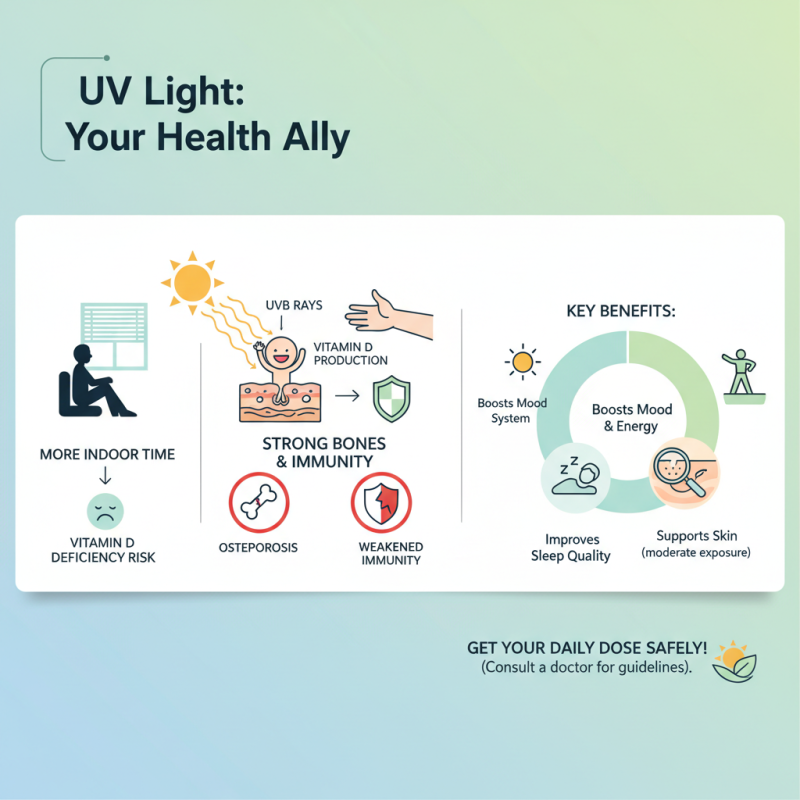
Ultraviolet (UV) light plays a crucial role in supporting human health, influencing various biological processes that are essential for well-being. One of the most well-known benefits of UV light is its ability to stimulate the production of vitamin D in the skin. Vitamin D is vital for maintaining healthy bones and a robust immune system. As individuals spend more time indoors, the risk of vitamin D deficiency increases, which can lead to health issues such as osteoporosis and weakened immunity.
To ensure you're getting enough vitamin D, try to spend short periods outdoors in sunlight, especially during midday when UV rays are strongest. Additionally, consider incorporating foods rich in vitamin D into your diet, like fatty fish, egg yolks, and fortified products. Remember, balance is key; while UV exposure is beneficial, excessive sun exposure can lead to skin damage.
Moreover, moderate UV light exposure can help improve mood and alleviate symptoms of depression. Research has shown that sunlight exposure can enhance the production of serotonin, a neurotransmitter that promotes feelings of happiness and well-being. To harness the mood-lifting benefits of sunlight, try taking short walks outdoors during sunny days, allowing natural light to boost your spirits and refresh your mind.
Role of Ultraviolet Light in Vitamin D Synthesis
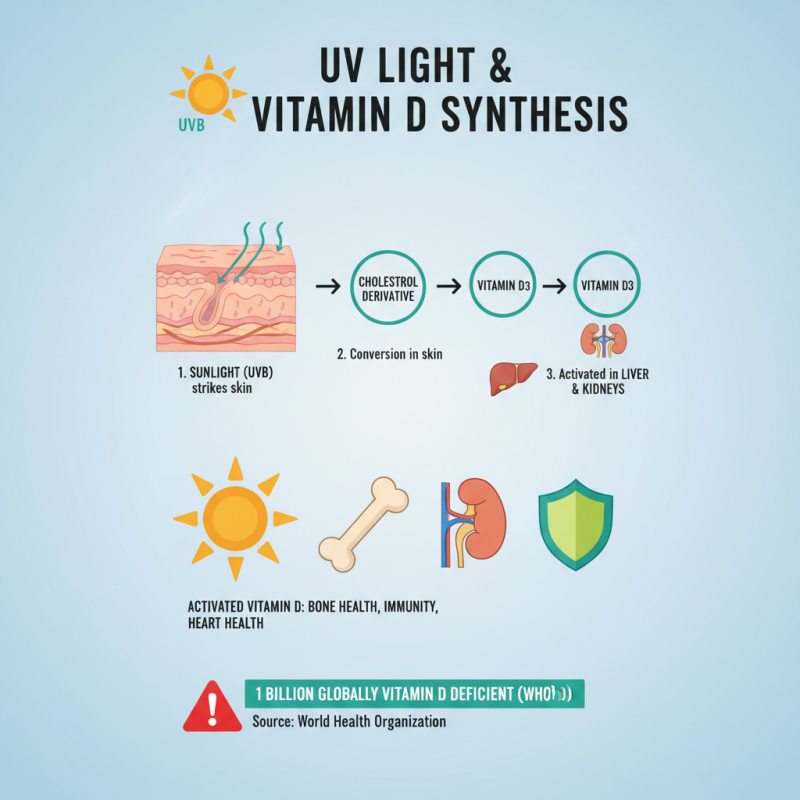
Ultraviolet (UV) light plays a crucial role in the synthesis of Vitamin D, a vital nutrient for overall health. When our skin is exposed to UVB radiation from the sun, it converts a cholesterol derivative into Vitamin D3, which is then transformed into its active form in the liver and kidneys. According to the World Health Organization, approximately 1 billion people worldwide suffer from Vitamin D deficiency, which can lead to various health issues, including osteoporosis, cardiovascular diseases, and weakened immune function. This highlights the importance of adequate sunlight exposure for maintaining optimal Vitamin D levels.
Furthermore, research indicates that the natural production of Vitamin D through UVB exposure varies significantly depending on geographical location, season, and time of day. For instance, those living in northern latitudes may receive insufficient UVB radiation, particularly during the winter months. A study published in the Journal of Clinical Endocrinology & Metabolism found that individuals living at latitudes above 37 degrees north have a substantially reduced opportunity to synthesize Vitamin D during the colder months, emphasizing the need for alternative sources to prevent deficiency, such as dietary supplements and fortified foods. Understanding the intricate relationship between UV light and Vitamin D synthesis is essential for promoting public health and addressing deficiencies prevalent in various populations.
Ultraviolet Light's Influence on Skin Health and Diseases
Ultraviolet (UV) light plays a significant role in skin health, influencing both positive and negative outcomes. Its primary source, the sun, emits UVA and UVB rays that affect the skin's cellular structures. According to the American Cancer Society, UV exposure is responsible for approximately 90% of skin cancer cases in the United States, emphasizing the necessity of moderation when it comes to sun exposure. While UVB rays contribute to the development of sunburn and skin cancer, UVA rays penetrate the skin more deeply, leading to premature aging and potentially skin damage at a cellular level.
On the positive side, moderate UV exposure is essential for vitamin D synthesis, crucial for maintaining bone health and immune function. The Vitamin D Council reports that around 41% of adults in the U.S. are deficient in this vital nutrient, often linked to insufficient sunlight exposure. Therefore, it’s vital to strike a balance between getting enough sunlight to maintain healthy vitamin D levels while protecting the skin from its harmful effects. Utilizing sun protection methods, such as wearing protective clothing and applying sunscreen, can serve as effective measures to enjoy the benefits of UV light while minimizing its risks. Understanding the dual nature of ultraviolet light can help individuals make informed decisions about their sun exposure habits.
Impact of Ultraviolet Light on Skin Health
This bar chart illustrates the relationship between different levels of ultraviolet light exposure and various skin health outcomes. Increased UV exposure can lead to higher rates of skin cancer and premature aging, while moderate exposure is necessary for vitamin D production.
Impact of Ultraviolet Light on Environmental Processes
Ultraviolet (UV) light plays a crucial role in various environmental processes that are essential for maintaining ecosystem health. One of the most significant impacts of UV light is on phytoplankton, which forms the basis of aquatic food webs. According to the Global Climate Change Report, enhanced UV radiation due to ozone layer depletion can reduce phytoplankton productivity by up to 20%. This decline not only affects marine biodiversity but also disrupts carbon cycling, as phytoplankton acts as a significant carbon sink, absorbing about 50% of atmospheric CO2.
Moreover, UV light influences terrestrial ecosystems by affecting soil composition and health. Research published in Environmental Microbiology indicates that UV radiation can stimulate the decomposition of organic matter, allowing nutrients to be released more rapidly into the soil. This nutrient cycling is vital for plant growth and vigour, thus supporting the broader food chain. However, excessive UV exposure can be detrimental, leading to soil degradation and reduced agricultural productivity, particularly in UV-sensitive crops.
Tips: To mitigate the negative impacts of UV light on the environment, consider planting UV-resistant plant species in your garden. Additionally, ensure that your practices support the local ecosystem, such as
reducing pollution and conserving natural habitats, which can bolster the resilience of both soil and water systems against UV stressors.
Balancing Ultraviolet Light Exposure for Health and Ecosystems
Ultraviolet (UV) light plays a crucial role in our health and the well-being of ecosystems. It is a natural source of vitamin D, essential for maintaining bone health, supporting immune function, and reducing the risk of chronic diseases. According to the World Health Organization (WHO), inadequate levels of vitamin D are linked to various health issues, including osteoporosis and certain types of cancer. However, balancing exposure is vital, as excessive UV radiation can lead to skin damage and increase the risk of skin cancer.
To achieve a healthy balance, it's important to understand the UV index, which measures the strength of UV radiation on a given day. Take precautions when the index is high to protect yourself while still enjoying the benefits of sunlight. For instance, limit sun exposure during peak hours, seek shade, and wear protective clothing. Research from the American Academy of Dermatology emphasizes that even brief, unprotected exposure can lead to long-term skin damage, underscoring the importance of moderation.
Ecosystems also rely on the presence of UV light for processes like photosynthesis, which supports plant growth and contributes to biodiversity. Too much UV radiation, however, can negatively impact aquatic ecosystems, with studies showing that increased UV levels can hinder phytoplankton development. To protect both our health and the environment, individuals can advocate for policies that mitigate ozone layer depletion and promote sustainable practices in agriculture and urban planning. By being informed and proactive, we can ensure that we harness the benefits of UV light while minimizing its risks.
Why is Ultraviolet Light Important for Our Health and Environment?
| Dimension |
Details |
| Health Benefits |
Stimulates Vitamin D production, supports bone health, strengthens immune system. |
| Source of Energy |
Natural source of energy for many ecosystems, supporting photosynthesis in plants. |
| Environmental Impact |
Affects climate patterns, impacts plant growth, and influences animal behavior. |
| Risks of Overexposure |
Can cause skin cancer, eye damage, and weakened immune response; prolonged exposure should be managed. |
| Protection Measures |
Use of sunscreen, wearing protective clothing, seeking shade, and limiting sun exposure during peak hours. |