Top Trends in Automotive Lighting Technology for 2026?
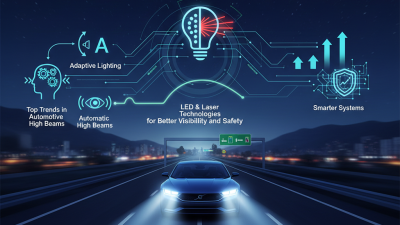
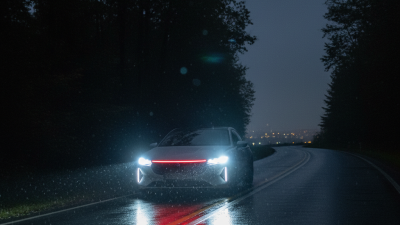
As we delve into the future of the automotive lighting industry, significant advancements are set to reshape our road experiences. By 2026, automotive lighting technology will likely incorporate more than just visibility. Enhanced safety and aesthetic appeal will become essential. Innovations in LED and laser technologies will push the limits of brightness and efficiency.
Modern vehicles are increasingly equipped with adaptive lighting systems. These systems can adjust brightness and angles based on driving conditions. They are vital for improving driver awareness and reducing accidents. However, challenges remain in standardizing these technologies across different manufacturers.
In this evolving landscape, considerations such as energy consumption and sustainability will be crucial. Striking a balance between performance and environmental impact is necessary. The integration of smart lighting features will enhance user experience but may raise concerns about privacy and data security. As the automotive lighting sector progresses, ongoing dialogue is essential to address these complexities.
Emerging Technologies in Automotive Lighting for 2026
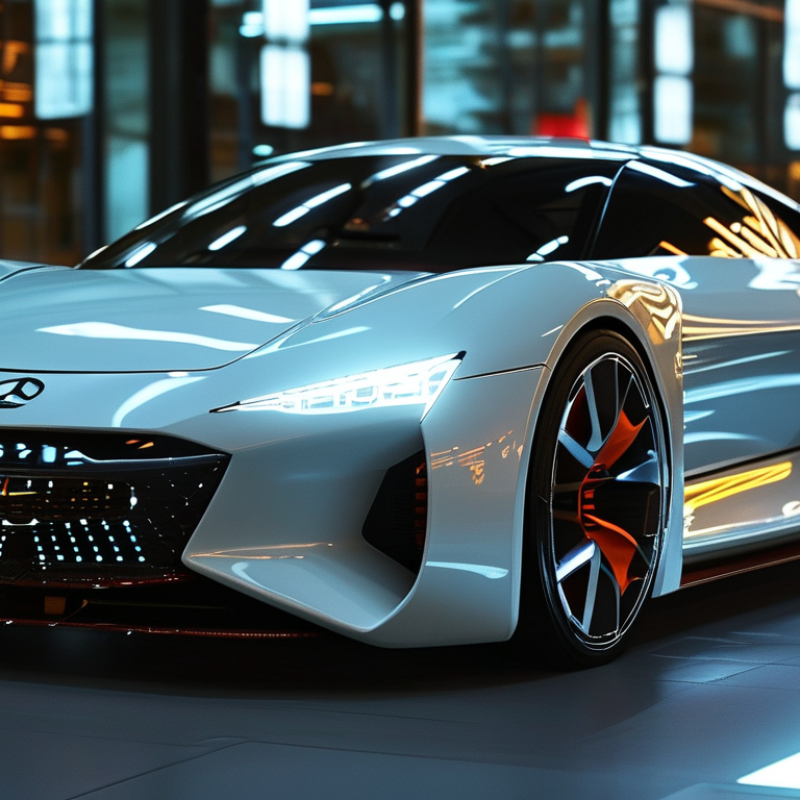
Innovations in automotive lighting technology are shaping the future of vehicle design and safety. As we look towards 2026, several emerging technologies show great promise. Adaptive lighting systems are on the rise, allowing headlights to adjust based on driving conditions. These systems can improve visibility and enhance safety, particularly during nighttime driving.
Another key development is the integration of smart lighting systems. These systems utilize sensors and cameras to analyze the environment. For instance, lights may dim automatically when other vehicles approach. This not only conserves energy but also enhances the comfort of all road users.
Additionally, there is an increasing focus on sustainability. Manufacturers are exploring more energy-efficient LED lighting options. These provide longer lifespans and reduced energy consumption. However, the transition to these technologies is not without challenges. Cost and compatibility with existing vehicle designs are issues that need addressing. As these trends unfold, ongoing research and innovation will be essential for advancing automotive lighting technology.
Top Trends in Automotive Lighting Technology for 2026
| Trend |
Description |
Impact |
Implementation Year |
| Adaptive Lighting Systems |
Technologies that adjust the direction and intensity of headlights based on driving conditions. |
Improves nighttime visibility and safety. |
2026 |
| OLED Lighting |
Organic Light Emitting Diodes for thinner, more efficient, and versatile lighting designs. |
Enhances design flexibility and aesthetic appeal. |
2025 |
| Laser Headlights |
Utilization of lasers for high-intensity lighting that provides a longer range and better clarity. |
Significantly improves long-distance visibility, reducing accidents. |
2026 |
| Smart Adaptive Lighting |
Integration with vehicle sensors and smart systems to adjust lighting automatically. |
Increases efficiency and enhances overall driving experience. |
2026 |
| Personalized Lighting Features |
Customizable lighting options based on driver preferences and mood settings. |
Enhances user experience and interior ambience. |
2025 |
Advancements in LED and OLED Lighting Solutions
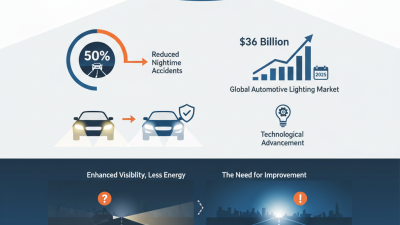
The automotive lighting sector is poised for transformative advancements by 2026, especially with LED and OLED technologies. According to a recent report by MarketsandMarkets, the global automotive lighting market is expected to reach $34.78 billion by 2026, driven by innovative lighting solutions. Currently, LEDs dominate the market due to their energy efficiency and longevity. They consume around 75% less energy compared to traditional halogen bulbs. This shift enhances vehicle performance while reducing environmental impact.
OLEDs are gaining traction as well. Their ability to create thin, flexible designs allows for dynamic lighting patterns and better integration into vehicle aesthetics. This flexibility can lead to personalized lighting that enhances safety and visual appeal. A study from Lux Research suggests that OLEDs could capture about 10% of the automotive lighting market by 2026. However, challenges remain, such as production costs and durability concerns. These factors require ongoing research and development to fully unlock the potential of OLED technology in automotive applications.
As the industry trends toward more sustainable and customizable options, the balance between cost and innovation will be critical. While LED and OLED technologies promise improved performance, manufacturers must navigate these challenges carefully. The road to widespread adoption is complex, but the future of automotive lighting is undeniably bright.
Integration of Smart Lighting Systems in Vehicles
The integration of smart lighting systems in vehicles is revolutionizing automotive technology. According to a report by MarketsandMarkets, the automotive lighting market is projected to reach $30 billion by 2026, driven by advancements in smart systems and LED technology. These systems enhance safety and visibility while adapting to different driving conditions. The shift towards adaptive lighting, which changes based on speed and weather, is gaining traction among manufacturers.
Smart lighting systems also play a significant role in driver communication. They utilize patterns and colors to convey messages to pedestrians and other drivers. For instance, a vehicle can flash its lights to signal a lane change or provide warnings during emergencies. However, this innovation invites concerns about reliability and the potential for miscommunication.
When considering smart lighting, keep these things in mind. Proper calibration is essential to ensure that adaptive features work effectively. Regular updates to the vehicle's software can improve responsiveness. Security is another aspect. Safeguarding the system from hacking can prevent misuse. Lastly, collaboration between manufacturers and software developers is crucial for achieving seamless integration.
Impact of Autonomous Vehicles on Lighting Design
Autonomous vehicles are transforming automotive lighting design. As self-driving technologies evolve, lighting systems must adapt to new safety and communication standards. By 2026, experts estimate that up to 25% of vehicles on the road could be fully autonomous. This shift demands innovative approaches in lighting to enhance visibility and user experience.
With more vehicles operating without human drivers, lighting will play a crucial role. Advanced LED and OLED technologies are being explored for dynamic light patterns. These patterns can convey vehicle intent, alert pedestrians, or indicate charging status. A report by the Automotive Lighting Market indicates a projected growth rate of 8% annually, fueled by these advances.
Reflect on how these changes pose challenges. Ensuring that design meets regulatory standards while maintaining aesthetic appeal is complex. As vehicles communicate through light, there’s a need for universal signals. This requires collaboration among manufacturers, policymakers, and designers to create a cohesive framework.
Consider these factors when thinking about future automotive lighting. Prioritize adaptability in lighting design, ensuring it aligns with the evolving landscape of autonomous vehicles. Embrace innovation while addressing safety concerns. Balancing technological advancement with user needs will be vital as we move toward a more automated future.
Sustainability Trends in Automotive Lighting Materials
The automotive lighting industry is experiencing significant shifts towards sustainability, particularly in materials. A recent report from the International Energy Agency highlights that by 2026, over 70% of vehicle lighting systems are expected to incorporate eco-friendly materials. This transition is driven by stringent environmental regulations and consumer demands for greener products. The use of recycled plastics, for example, has seen a surge, offering a more sustainable approach while retaining durability.
In addition, bioplastics are gaining traction within this sector. According to a study by the Society of Automotive Engineers, bioplastics could reduce overall automotive life-cycle greenhouse gas emissions by up to 40%. However, there are challenges. The cost of sourcing these materials can be higher than traditional options. This may deter some manufacturers, especially small to mid-sized companies. Moreover, performance under extreme conditions remains a concern. The balance between sustainability and functionality requires ongoing research and development.
The shift toward sustainable lighting solutions also calls for collaboration among stakeholders. Designers, manufacturers, and suppliers need to align their goals. Marketplace data indicates that companies failing to adopt sustainable practices risk losing market share. The path ahead is not without obstacles, as the commitment to sustainability must coexist with the quest for efficiency and innovation in automotive lighting technologies.