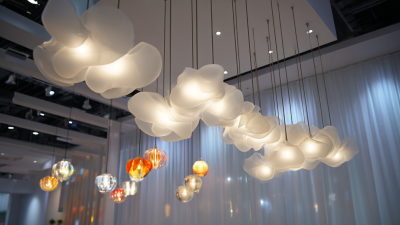


Choosing the right lighting can change how a room works and feels. A desk lamp aimed at a notebook serves a different purpose from a shaded table lamp beside a sofa. This guide to lamps lighting explains the main types and how they fit everyday spaces. It covers floor, table, desk, pendant, wall, and recessed lights, with attention to what each does best.
The distinction is useful. Ambient lighting provides general illumination, task lighting helps with close work, and accent lighting draws attention to features such as artwork or shelves. Many rooms need a mix, though the right balance depends on room size, layout, and daylight. Details matter. A reading lamp should direct light toward the page without shining into someone’s eyes, while a pendant over a dining table needs suitable height and coverage. Bulb brightness, color appearance, shade material, and dimming options can also affect comfort. Check product specifications and follow the manufacturer’s installation guidance, especially for fixed fixtures.
Not every choice is obvious. A striking lamp may leave a corner dim, and a bright ceiling fixture can feel harsh after sunset. This overview offers practical comparisons rather than one-size-fits-all rules. You’ll learn where common lamp and fixture types work well, what to consider before buying, and how to combine them for useful, comfortable light. Small adjustments can help. A movable floor lamp, for example, may solve a dark reading spot without changing the room’s wiring.
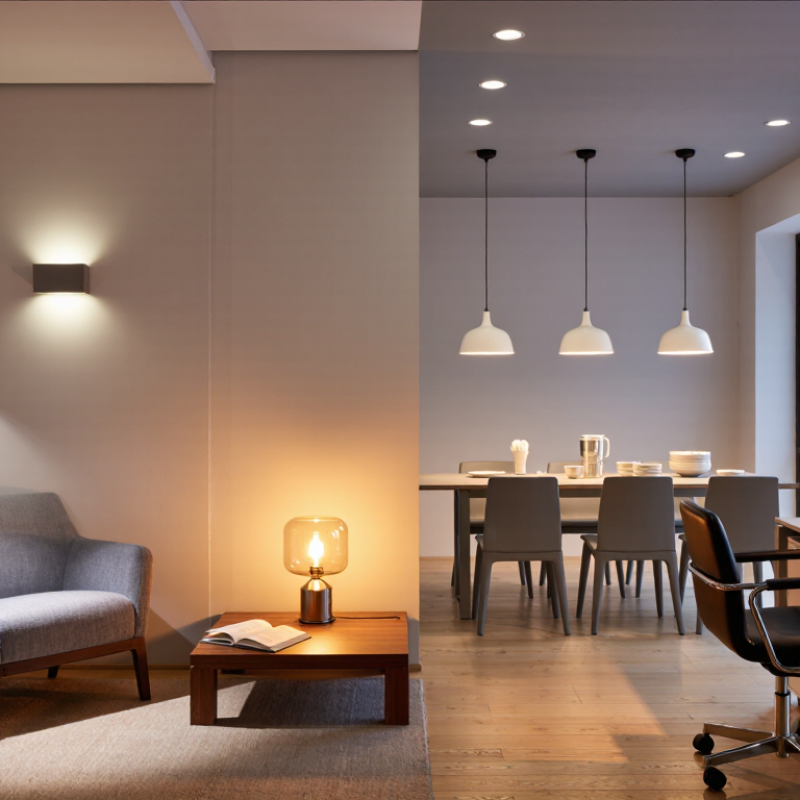
Lamps and lighting are best classified by what they do, where they sit, and how they send light. Ambient lighting fills a room with general brightness, often from ceiling fixtures or floor lamps. Task lighting focuses on activities, such as reading at a desk or chopping vegetables. Accent lighting highlights details, like a framed picture or a textured wall. One lamp can serve more than one purpose, but its placement changes the effect.
Fixtures can also be grouped by installation and portability. Pendant lights hang from ceilings, while wall sconces attach to vertical surfaces. Table and floor lamps are movable, making them useful when a room’s layout changes. Recessed fixtures sit within the ceiling and create a less prominent look. Lighting can also be classified by setting, such as indoor or outdoor use; outdoor fixtures need suitable weather protection. Light color and brightness matter, too. A warm, softer glow may feel comfortable in a living room, while a brighter, cooler light can help with detailed work. No category fits every room perfectly. That is worth remembering.
Tips: Match the light to the activity, then check how it looks at night. Read the fixture’s specifications before choosing bulbs or installing it. Small details matter. A bright desk lamp may still cast shadows if placed behind your writing hand.
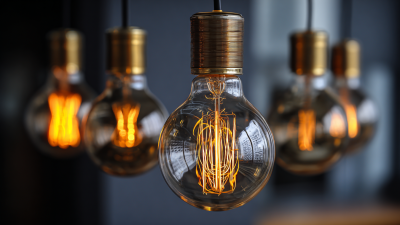
The main types of lamps are defined by the light source inside them. LED lamps use semiconductors to produce light and are common in homes because they use relatively little energy and come in many color temperatures. A warm-white LED can make a reading corner feel softer, while a cooler tone may suit a workbench. Check the package for brightness in lumens, not just wattage.
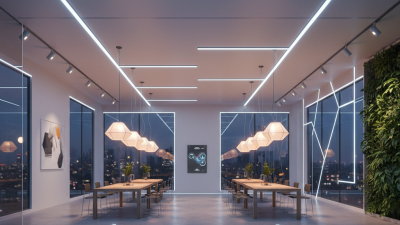
Incandescent lamps create light by heating a filament. Their glow is familiar and warm, but they use more electricity and release more heat than LEDs. Halogen lamps are a refined incandescent type, often producing a crisp, bright beam. Fluorescent lamps, including compact and tube-shaped versions, excite gas inside a sealed tube. They can light larger areas evenly, though some people find their color less comfortable. The distinctions are not always obvious at a glance.
Tips: Match the lamp to the fixture, and check its maximum rated wattage. For a bedside lamp, test a warm color temperature before buying several bulbs. Dimming can vary by model; I have found that assuming every LED dims smoothly is a small but costly mistake.
Lighting works best when each fixture has a clear job. Ambient lighting provides general brightness through ceiling fixtures, recessed lights, or floor lamps. It should make movement comfortable without creating harsh glare. In a living room, a shaded floor lamp can brighten the dim corner left by one ceiling light. A small change. It may not solve every shadow.
Task lighting puts light where focused work happens. Desk lamps help illuminate books and keyboards, while adjustable lights near kitchen counters make chopping and reading recipes easier. Position the beam to reduce shadows from your hands. For close work, choose a fixture that can be aimed and adjusted. Brightness alone is not enough.
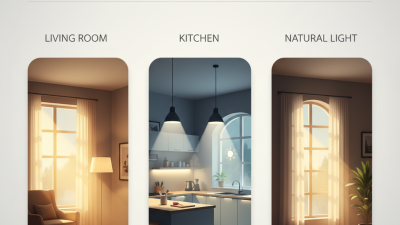
Accent lighting draws attention to selected details, such as a textured wall, artwork, or a shelf. Track lights and small directional fixtures can create this effect. Decorative lighting, including pendants and sculptural lamps, also adds visual character, though it may not provide enough light for everyday tasks. I still find it easy to over-light a room when every fixture is switched on. Try combining a gentle ambient source with one task or accent light, then adjust for glare and comfort. Natural light changes throughout the day, too, so a setup that feels balanced at noon may seem different after sunset.
| Lighting Type | Primary Function | Common Fixtures | Typical Locations | Practical Considerations |
|---|---|---|---|---|
| Ambient (General) Lighting | Provides broad, overall illumination so people can move around and use a room comfortably. | Ceiling lights, recessed lights, flush mounts, pendant lights, and floor lamps with upward-facing shades. | Living rooms, bedrooms, kitchens, offices, hallways, and other regularly used spaces. | Plan for even coverage and control glare. Dimmers can help adjust brightness for different activities. |
| Task Lighting | Directs light onto a specific area to support activities that need clear visibility. | Desk lamps, reading lamps, under-cabinet lights, and adjustable work lights. | Desks, kitchen counters, reading areas, craft tables, and bathroom mirrors. | Position the light to reduce shadows and reflections. Adjustable fixtures make it easier to aim light where it is needed. |
| Accent Lighting | Highlights a particular feature, object, or architectural detail. | Track lights, picture lights, wall washers, and directional recessed lights. | Art displays, shelves, textured walls, fireplaces, and architectural features. | Use a focused beam and aim it carefully. Accent lighting is usually most effective alongside ambient lighting. |
| Decorative Lighting | Adds visual character and can also contribute to a room’s general illumination. | Chandeliers, decorative pendants, sconces, and table lamps. | Dining areas, entryways, living rooms, bedrooms, and feature spaces. | Consider the fixture’s size, hanging height, and light output so it suits the space as well as its style. |
| Under-Cabinet Lighting | Illuminates work surfaces while reducing shadows cast by upper cabinets. | Linear LED fixtures, light bars, and puck lights. | Kitchen counters, utility rooms, workshops, and display shelving. | Continuous fixtures generally provide more even coverage than widely spaced individual lights. |
| Outdoor and Security Lighting | Improves visibility outdoors and can help illuminate entrances, paths, and vulnerable areas. | Porch lights, wall-mounted lights, path lights, floodlights, and motion-sensor lights. | Entrances, driveways, walkways, patios, and building exteriors. | Choose fixtures rated for their outdoor exposure. Aim lights to limit glare and unwanted spill into neighboring areas. |
| Emergency Lighting | Provides illumination when normal power is interrupted, helping people find exits or continue essential activities. | Battery-backed exit signs and emergency luminaires. | Commercial buildings, public facilities, stairwells, and designated exit routes. | Requirements vary by location and building type; installation and testing should follow applicable codes and standards. |
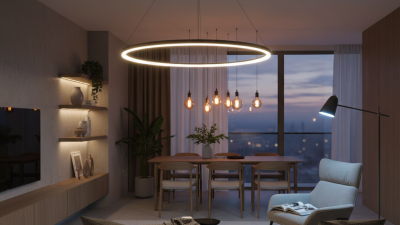
Lighting works best when it responds to what people do in each room. In a kitchen, bright, even ceiling light helps with general tasks, while focused fixtures over counters reduce shadows where chopping and reading recipes happen. Choose enclosed or easy-to-clean shades near cooking areas; grease and dust collect faster than many people expect. A dining space often benefits from a softer pendant above the table, paired with dimmable ambient lighting. Keep the fixture high enough that seated guests can see one another.
Living rooms need more flexibility. A floor lamp beside a reading chair can provide focused light, while table lamps add a gentler glow across the room. Multiple light sources usually feel more comfortable than one powerful ceiling fixture. Still, too many lamps can create clutter, and matching every shade is not always the answer. Try the arrangement at night before settling on it.
In bedrooms, warm-toned bedside lamps make winding down easier, while adjustable reading lights keep illumination off a partner’s pillow. Bathrooms call for clear light around mirrors, where overhead fixtures alone can cast distracting shadows. Use fittings rated for the conditions in damp areas, and follow the fixture instructions. Small placement changes matter. A lamp that looks balanced in daylight may feel glaring after dark, so test brightness from where you actually sit or stand.
When comparing lamps, start with the job each light needs to do. A desk lamp should illuminate a book without casting a hard hand-shaped shadow. Check brightness in lumens, not watts; watts describe energy use, not light output. Color temperature also matters. Warm light can feel restful in a bedroom, while a cooler tone may help with detailed work. For accurate colors, look for a high color-rendering index (CRI), especially near clothing or art.
Next, consider placement, glare, and control. A floor lamp can brighten a dark corner, but its shade should keep the bulb out of your direct view. Check whether the lamp works with your dimmer, and measure its base before placing it on a crowded table. For enclosed fixtures, confirm that the bulb is suitable for the fixture’s heat conditions. A tidy comparison chart helps, though it can miss how light feels in the actual room.
Tips: Test the lamp after dusk, using the surface where you read or work. Notice shadows and reflections on screens. If possible, compare bulbs in the same fixture; small differences can be surprising. Don’t assume brighter is always better.