Top Lighting Sources for Every Home Need and Style?
Choosing the right lighting sources is crucial for every home. Proper lighting enhances the atmosphere and functionality of a space. Whether your style leans modern, traditional, or eclectic, there are options to fit your needs.
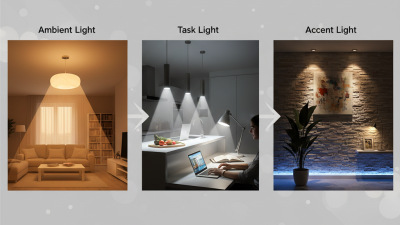
Consider how different lighting sources affect mood and utility. Warm lights create a cozy environment, while bright lights work well for tasks. Layering light sources, like ambient, task, and accent lighting, is vital. This approach adds depth and versatility to a room.
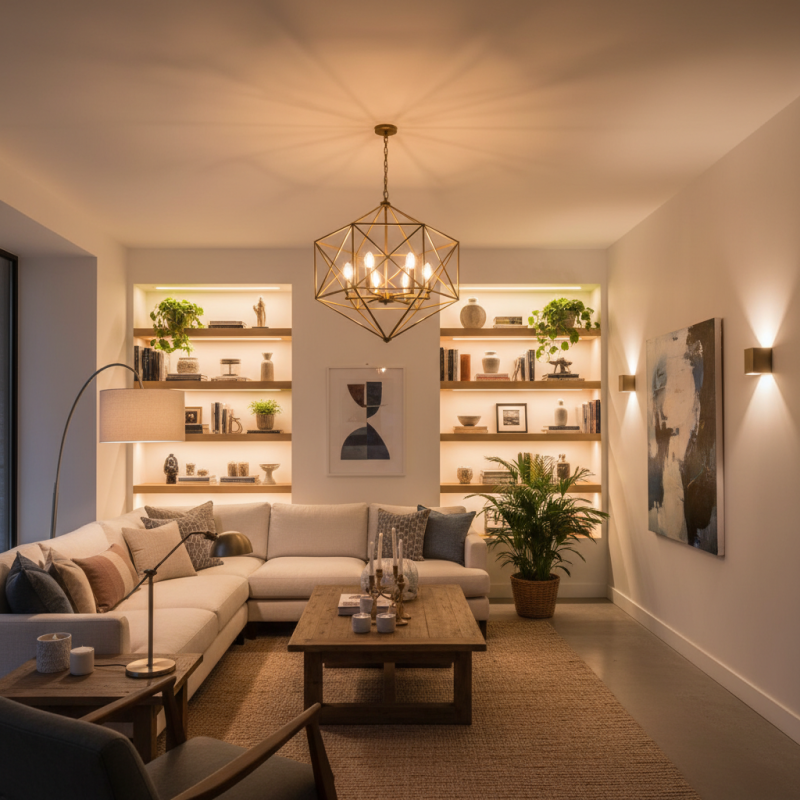
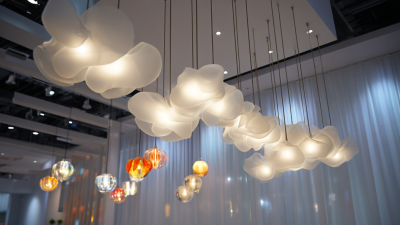
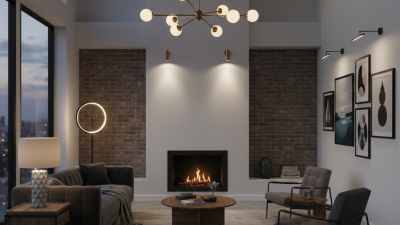
Explore unique fixtures that not only illuminate but also serve as decor. A stunning chandelier can become a focal point. However, it's easy to overlook the importance of light placement. Experimenting with different angles and types can lead to surprising effects. Embrace imperfection; it can spark creativity in your home design.
Understanding Different Types of Lighting Sources for Homes
Lighting plays a crucial role in any home. Different types of lighting sources can enhance both function and aesthetic appeal. Ambient lighting provides general illumination. It sets the tone and creates a welcoming atmosphere. Use ceiling fixtures or wall sconces for this purpose. Task lighting is essential for specific activities. Think of table lamps for reading or under-cabinet lights in the kitchen.
Tips: Choose dimmable options for flexibility. This allows you to adjust brightness based on your mood or time of day. Make sure your lighting is not too harsh. Soft, warm light is often more inviting. Consider the color temperature; warm light creates a cozy feeling.
Accent lighting adds visual interest. Highlight artwork or architectural features with spotlights. This draws attention and adds depth to your space. Remember, balance is key. Too many light sources can create a chaotic feel. Reflect on your space and choose lighting that complements your style. Let your personality shine through your choices.
The Role of Ambient, Task, and Accent Lighting in Interior Design
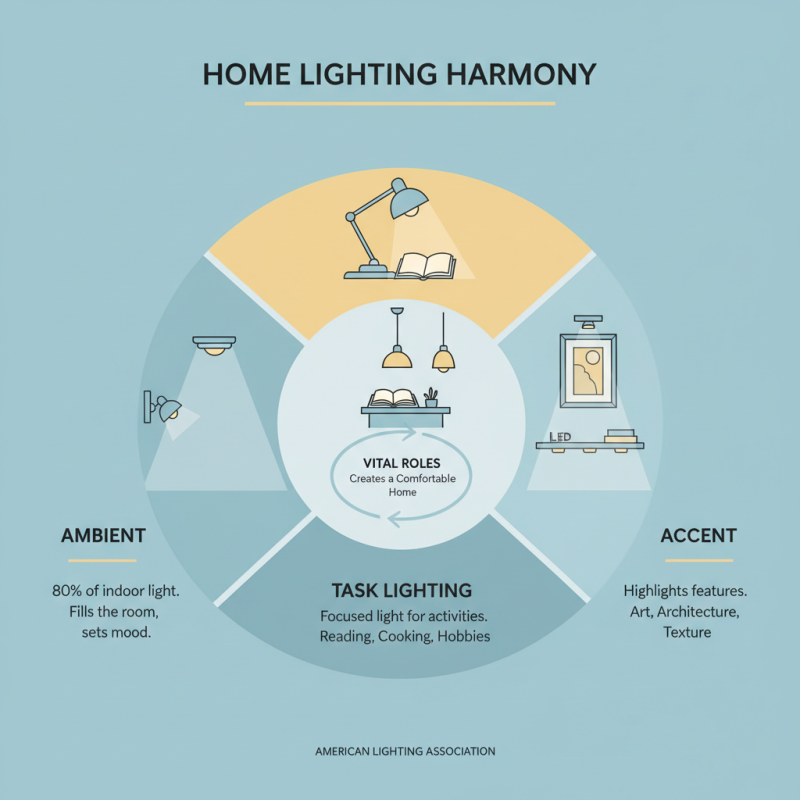
Ambient, task, and accent lighting each play a vital role in creating a harmonious home environment. Ambient lighting provides the foundational glow that fills a room. According to the American Lighting Association, ambient lighting accounts for 80% of indoor lighting. It creates a comfortable background and enhances the overall mood. Softly diffused sources, like ceiling fixtures or wall sconces, can transform a stark space into a warm retreat.
Task lighting focuses on specific activities. This type of lighting is essential for areas like kitchens and home offices. A study by the International Association of Lighting Designers shows that effective task lighting improves productivity by 20%. Under-cabinet lights or desk lamps can minimize eye strain during detailed work. However, choosing the right intensity is crucial. Too much light can create glare, while too little can hinder performance.
Accent lighting adds layers to interior design. It highlights art or architectural features. The Lighting Research Center emphasizes that proper accent lighting can increase the perceived value of a space by up to 30%. Spotlights and wall washers create depth, but one must be careful with contrast. Overemphasis can overshadow the room’s balance. Finding the right combination of these lighting types requires experimentation and careful consideration. Each choice influences both aesthetics and functionality, making it vital to reflect on one’s needs and style.
Choosing the Right Lighting Fixtures for Various Spaces
Choosing the right lighting fixtures is essential for setting the mood in your home. Different spaces require different lighting solutions. For instance, an open living area benefits from layered lighting, combining ambient, task, and accent lights. According to a report by the American Lighting Association, 71% of homeowners prioritize energy efficiency when selecting fixtures.
In bedrooms, softer, warmer tones create a cozy atmosphere. Dimmers can enhance this effect, offering flexibility for various activities. Lighting design plays a pivotal role in functionality and aesthetics. Creating a balanced light scheme might seem challenging, but using a mix of fixtures can simplify the process.
Tips: Consider the height of your ceilings when selecting fixtures. You want to ensure the scale complements your space. Also, don’t overlook the power of color temperature. Warmer bulbs make a room feel inviting, while cooler tones are more energizing. Insights from industry studies reveal that well-lit spaces can increase productivity by up to 20%. Reflect on your choices and engage with the possibilities—lighting can transform more than just visibility.
Energy-Efficient Lighting Solutions for Sustainable Homes
When it comes to creating a sustainable home, energy-efficient lighting solutions matter.
Using LED bulbs can significantly reduce energy consumption. They last longer than traditional bulbs, which means fewer replacements.
This lowers not just energy bills but also waste.
Tips: Always check the lumens, not just watts. More light can come from lower wattage bulbs.
Another great option is natural lighting. Use windows and skylights to bring in daylight.
This not only brightens your space but also saves energy. However, over-reliance on natural light can lead to dark corners.
Tips: Add mirrors to reflect light and enhance brightness.
They can create an illusion of a larger space, too.
Considering smart lighting systems is also wise. These systems can adjust brightness based on time of day. But they may require initial investment and setup time.
Ensure you weigh the benefits against potential challenges.
Stylish Lighting Trends to Fit Every Home Aesthetic
Lighting is crucial in shaping a home’s atmosphere. Stylish trends vary widely. For instance, minimalist designs emphasize simplicity. A report found that 70% of homeowners prefer clean lines and neutral tones in lighting. This trend reflects a desire for calm and clarity in spaces. Pendant lights and wall sconces are popular choices. They forge an elegant look while serving purpose.
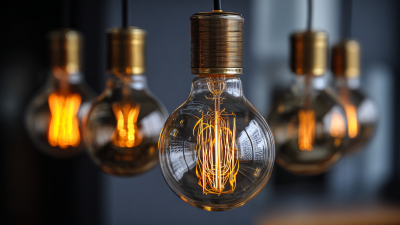
In contrast, bold lighting fixtures are making a comeback. Vintage chandeliers and oversized lamps catch the eye. These elements can elevate a room, adding drama and personality. Research shows that unconventional lighting can increase a home’s visual interest by 40%. However, striking a balance is essential. Too much flair can feel overwhelming. Mixing styles, such as industrial with modern, can create unique environments. Many are still hesitant to experiment. Homeowners should reflect on their comfort levels with bold choices.
Sustainability is becoming a priority in lighting trends. Energy-efficient LED lights are preferred. They consume 75% less energy than traditional bulbs. Moreover, they last significantly longer, reducing waste. Many embrace this shift, although some remain unsure about aesthetics. Finding attractive energy-efficient options is an ongoing challenge. Homeowners are encouraged to seek solutions that align with their values while enhancing their aesthetic appeal.