What Are the Top In Use Light Types in 2026?
In 2026, an in-use light does more than glow beside a machine or room. It tells people whether a space, workstation, or piece of equipment is available. The best choice depends on distance, ambient brightness, viewing angle, and how quickly someone must understand the signal. Small details matter. A light washed out by a sunny window may be technically working, yet practically useless.
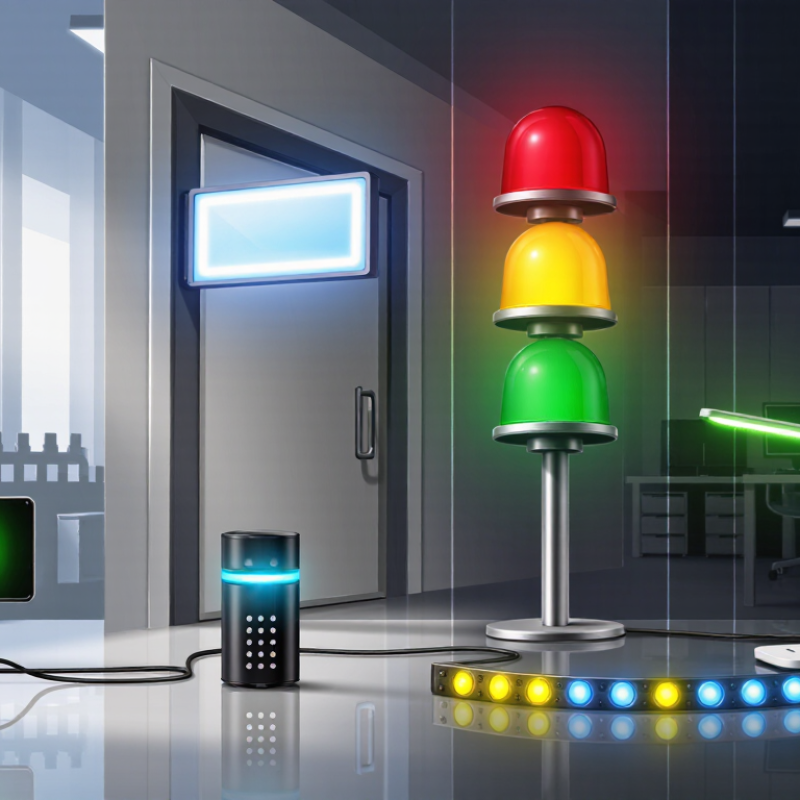
This guide compares the leading in-use light types: compact panel indicators, stack lights, room-occupancy signs, desk-status lamps, and connected LED indicators. Each serves a different setting. A red-green signal can clarify machine status, while a softly lit door sign may suit a meeting room better. Color alone is not always enough; labels, shapes, and consistent placement can make signals easier to interpret. Dieter Rams, the influential industrial designer, offered a useful design principle: “Good design is as little design as possible.” For in-use lights, that means clear signals without unnecessary glare or clutter.
There is no universal winner. A factory floor, shared office, and private clinic need different levels of visibility and control. Some connected models also require careful setup and maintenance. Worth checking. This overview weighs readability, durability, installation, energy use, and smart features to help buyers compare options for 2026. It also considers a practical concern: a status light can be bright enough to notice and still feel distracting nearby. The right choice makes work easier, though the simplest solution is not always the cheapest.
LED Lighting: ENERGY STAR Reports 75% Less Energy Use Than Incandescent
What Are the Top In Use Light Types in 2026?
LED Lighting: ENERGY STAR Reports 75% Less Energy Use Than Incandescent
LEDs are a leading choice for homes in 2026 because they provide bright light while drawing less electricity than incandescent bulbs. ENERGY STAR reports that certified LEDs use about 75% less energy than traditional incandescent lighting. The U.S. Department of Energy also estimates that LEDs can last up to 25 times longer. These figures make LEDs especially useful in kitchens, hallways, and porch fixtures that stay on for hours.
Consider a 60-watt incandescent bulb used for three hours each day. At 75% lower energy use, an equivalent LED would use about 15 watts, saving roughly 49 kilowatt-hours annually. Actual savings depend on the bulb, usage, and local electricity rates. Brightness matters too: compare lumens, not watts, when choosing a replacement. A bulb’s color temperature can also change how a room feels. Cool white may look stark beside warm wood; I still find that easy to underestimate.
Tips: Check the fixture’s label before replacing a bulb. Choose an LED with the right base, brightness, and dimmer compatibility. Keep receipts and note the old bulb’s wattage. Small differences can matter, and the advertised savings are not a guarantee for every home.
Fluorescent and CFL Lamps: ENERGY STAR Reports Up to 70% Energy Savings
Fluorescent and compact fluorescent lamps (CFLs) can use substantially less electricity than traditional incandescent bulbs while producing similar useful light. ENERGY STAR reports savings of up to 70 percent, but actual results depend on the lamp replaced, usage hours, and fixture compatibility. That figure is a ceiling, not a guarantee. Compare lumens to judge brightness and watts to understand energy use. A lamp near 900 lumens can provide familiar brightness for many living rooms. Not every socket.
In a hallway used six hours each evening, lower wattage can add up over time. Fluorescent tubes suit kitchens, workshops, and offices where broad, even light is useful; check that the tube matches the fixture. Switching lamps may change color appearance or warm-up time, so assess the room, not just the savings claim. Small details matter. One limitation deserves honesty: CFLs contain a small amount of mercury. If one breaks, handle it carefully and follow local disposal guidance.
What Are the Top In-Use Light Types in 2026?
Fluorescent and CFL lamps can use up to 70% less energy than traditional incandescent bulbs.
Maximum reported energy savings compared with incandescent lighting. Actual savings vary by bulb, brightness, and use; these figures do not represent market share.
Incandescent Lamps: The 1,000-Hour Baseline for Traditional Bulbs
What Are the Top In Use Light Types in 2026?
Incandescent Lamps: The 1,000-Hour Baseline for Traditional Bulbs
A 1,000-hour rated life is a useful baseline for traditional incandescent lamps, not a guaranteed replacement date. At three hours of use each day, that equals about eleven months. The bulb makes light by heating a thin filament inside its glass envelope. Much of its energy becomes heat, so the lamp can feel warm near a desk or bedside table. Not a promise. Actual life varies with operating conditions.
Higher-than-rated voltage can shorten filament life, while vibration may stress the delicate wire. A bulb used in a frequently switched hallway may also experience different wear than one left on for longer stretches. Check the lamp’s rated voltage and the fixture’s limits, especially if the fitting is enclosed. The 1,000-hour figure is useful for comparison, but it simplifies real use. That limitation deserves attention.
Tips: Keep spare bulbs in a dry, padded drawer. Let a hot bulb cool before handling it, and never exceed the fixture’s stated wattage limit. If a lamp fails much earlier than expected, check for loose connections or an incompatible dimmer rather than assuming every bulb has the same lifespan.
Halogen Lighting: DOE Reports About 25% Less Energy Use Than Incandescent
Halogen Lighting: DOE Reports About 25% Less Energy Use Than Incandescent
Halogen bulbs remain a familiar option in homes and workspaces in 2026. They produce warm, crisp light and reach full brightness immediately. The U.S. Department of Energy reports that halogen incandescent bulbs use about 25% less energy than traditional incandescent bulbs for comparable light output. In practical terms, a roughly 45-watt halogen can provide light similar to a 60-watt incandescent; check the package lumens before replacing a bulb. The comparison is useful, but it does not make halogen lighting as efficient as LED lighting. That distinction matters.
Tips: Match lumens, not just watts, when choosing a replacement. Check whether the fixture is dimmable and whether the bulb’s heat is suitable for its enclosure. For a frequently used hallway, track daily operating hours; a small efficiency gap can add up. For a closet used briefly, the difference may be modest. Real-world savings depend on use, and I would not judge a bulb by one number alone.
DOE guidance also notes that halogen bulbs typically last longer than traditional incandescent bulbs, though actual life varies by product and operating conditions. Keep the old bulb’s lumen level in mind, and compare rated life on the package. A warmer beam can look pleasant on a kitchen counter, but it may not suit every task. Check the light in the room.
What Are the Top In Use Light Types in 2026? - Halogen Lighting: DOE Reports About 25% Less Energy Use Than Incandescent
Approximate comparisons for lamps providing similar light output
| Light type |
Energy use index* |
Typical energy saving vs. incandescent |
Approximate relative lifespan |
Practical notes |
| LED |
25 or less |
At least 75% |
Up to 25× |
High efficiency and long service life; check dimmer and fixture compatibility. |
| Compact fluorescent (CFL) |
About 30 |
About 70% |
Up to 10× |
Uses less energy than incandescent lamps; contains a small amount of mercury and requires appropriate disposal. |
| Halogen incandescent |
About 70–75 |
About 25–30% |
Up to 3× |
Produces light much like traditional incandescent lamps, but still uses substantially more energy than LED or CFL options. |
| Traditional incandescent |
100 (baseline) |
0% (baseline) |
1× (baseline) |
Useful as a comparison point; much of its energy is released as heat. |
*Energy use index compares the approximate electricity needed to produce similar light output, with a traditional incandescent lamp set to 100. Figures are general estimates; actual performance varies by lamp, brightness, usage, and product design. Energy-saving and lifespan comparisons are based on general guidance from the U.S. Department of Energy.
HID and OLED Systems: Specialty Uses, Efficacy, and Application Differences
What Are the Top In Use Light Types in 2026?
HID and OLED Systems: Specialty Uses, Efficacy, and Application Differences
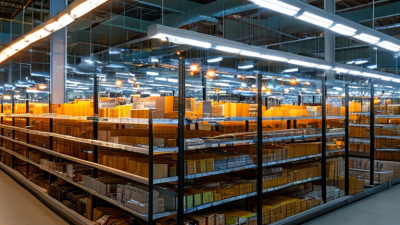
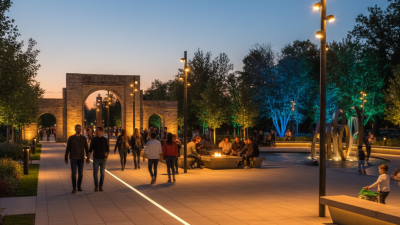
In 2026, HID and OLED systems still serve distinct lighting needs. HID lamps create intense, concentrated light, making them practical for high ceilings, large outdoor areas, and some sports facilities. Their strong output can illuminate broad spaces from fewer fixtures. However, they need compatible control gear, and some types take time to reach full brightness.
OLED panels produce soft, even light across a broad surface. They can suit hospitality interiors, display spaces, and selected task areas where glare control and appearance matter. The light feels less like a bright point and more like a glowing panel. That distinction is useful, though OLED systems generally cannot match HID output for illuminating vast areas.
Efficacy depends on the specific lamp, driver, fixture, and operating conditions, so simple rankings can mislead. HID may deliver substantial light efficiently in demanding applications, but maintenance and warm-up can affect daily use. OLED offers a different kind of value, usually prioritizing visual comfort and design over raw output. I would not call either universally better. Real installations are messier: ceiling height, operating hours, and replacement access can outweigh a specification-sheet comparison.