


Top 10 Crawler Drive Motor Suppliers for Global Buyers

Choosing a Crawler Drive Motor supplier affects machine uptime, service costs, and the pace of future repairs. A motor must match the machine’s hydraulic system, travel speed, torque needs, and available installation space. Fit comes first. A powerful unit is still a poor choice if its mounting pattern or shaft dimensions do not match.

This guide presents ten suppliers for global buyers to consider, with attention to product range, technical support, customization, and access to replacement parts. These are practical comparison points, not guarantees of quality. Buyers should verify specifications, certifications, lead times, warranty terms, and regional service options directly with each supplier. Ask for drawings and performance data before requesting a quotation. Check whether the quoted motor is intended for the exact machine model and operating conditions.

Price matters, but so does repairability. A lower purchase price may become less attractive if seals, bearings, or replacement assemblies are difficult to source. That is not always neat. Supplier information can change, and published claims may not reflect the support available in a buyer’s market. Treat this list as a starting point, then compare written documentation and response quality. The strongest choice is usually the one that fits the machine, workload, and maintenance plan—not simply the one with the lowest quote.
Top 10 Crawler Drive Motor Suppliers for Global Buyers

Crawler Drive Motors: Core Functions and Key Components

Crawler drive motors turn hydraulic or electrical power into rotation that moves a machine’s tracks. They must deliver strong starting torque, steady low-speed control, and enough resistance to handle sudden changes in ground resistance. On wet soil or a rocky slope, that control affects both traction and turning.

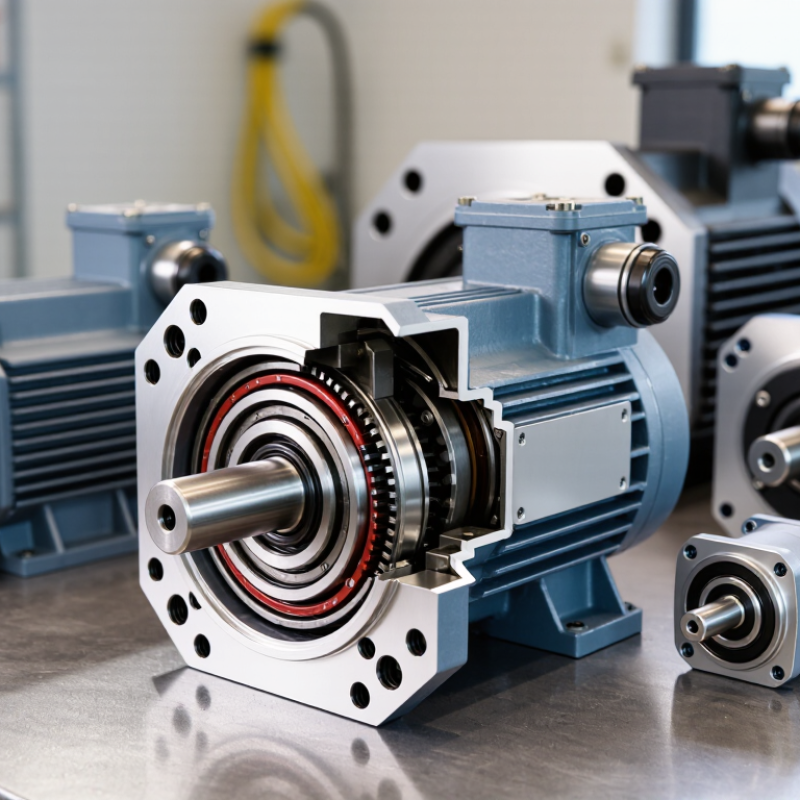
A typical assembly may include a motor, reduction gearbox, bearings, seals, and a drive sprocket. The gearbox lowers output speed while increasing torque; the sprocket transfers that force to the track. Some designs also include a holding brake. Small details matter. Seal condition and bearing fit can affect heat, noise, and service life, especially when mud or fine dust reaches the housing.

When assessing suppliers, compare torque, speed range, operating pressure or voltage, and mounting dimensions against the machine’s actual duty cycle. Ask how the motor manages heat and how replacement seals or bearings are serviced. A polished specification sheet is useful, but it cannot describe every shock load or muddy worksite. Field testing still matters, and a mismatch may only become clear after installation.

Performance Requirements Across Crawler Equipment Applications

Crawler equipment faces very different loads across construction, mining, agriculture, and forestry. A compact excavator may pivot repeatedly on uneven ground, while a haulage machine can crawl for hours under heavy load. Drive motors must match both the machine’s weight and its working pattern. Peak torque matters, but so do low-speed control and heat management.

On a muddy slope, tracks may meet sudden resistance as soil packs around the sprocket. A motor with suitable torque capacity and shock-load tolerance can help maintain traction without excessive pressure spikes. In demolition work, frequent starts and reversals put extra demand on the drive system. For long-distance site travel, efficiency and stable operating temperature become more important. Small details matter. Check rated pressure, displacement, braking behavior, and compatibility with the hydraulic circuit. A specification sheet alone will not show how the motor performs after repeated hot-and-cold cycles.

Supplier evaluation should include clear test data, application guidance, and access to replacement parts. Ask how performance changes under sustained load, not only during brief bench tests. There is no perfect duty cycle. I may be giving heat control too much weight, but field failures often make that lesson hard to ignore. Compare service access and installation dimensions before choosing a motor; a strong unit is less useful if routine inspection is awkward.

Criteria for Evaluating Global Crawler Drive Motor Suppliers

When evaluating crawler drive motor suppliers, compare verified performance, not catalogue torque alone. Request test curves across operating speeds, oil temperatures, and pressure ranges. Ask for leakage, efficiency, noise, and endurance results from the same duty cycle your machine will face. ISO 4406 cleanliness reporting can help assess contamination control; confirm the sampling point and test method. A low quote can still be costly.

Supply resilience matters, too. The IEA’s Global Critical Minerals Outlook 2024 reports that lithium demand rose 30% in 2023, while demand for nickel, cobalt, graphite, and rare earth elements increased by 8–15%. These figures concern critical minerals, not crawler motors directly, but they underline why buyers should check component sourcing and lead-time plans—especially for electrically driven systems. Request documented traceability, production capacity, spare-parts availability, and warranty response times. Then verify claims against sample units or independent inspection. A polished brochure proves little.

Tips: Send suppliers one duty-cycle sheet, including machine weight, slope, speed, and ambient temperature. Compare like with like. Ask for a written failure-analysis process; many evaluations overlook it. A supplier’s willingness to share test limits can be as revealing as its headline specifications.

Top 10 Crawler Drive Motor Suppliers: Global Evaluation Criteria

Suggested weighting for comparing crawler drive motor suppliers. These criteria are a practical evaluation framework, not ratings of specific companies.

Use the weights to score each supplier against your machine’s operating conditions, technical requirements, and support needs. Verify specifications and service capabilities directly with suppliers.

Profiles of 10 Crawler Drive Motor Suppliers for Global Buyers

The ten supplier profiles cover distinct strengths: integrated drivetrain production, hydraulic motor expertise, electric-drive development, compact-machine systems, heavy-duty gearboxes, replacement parts, regional assembly, custom engineering, fleet service, and component distribution. This range matters because crawler motors face different loads on a dozer, excavator, or tracked carrier. Buyers should compare rated torque, reduction ratio, thermal limits, sealing, and brake design—not just headline power. Ask for duty-cycle test data and spare-parts lead times. Small details matter.

Grand View Research valued the global construction equipment market at USD 150.4 billion in 2023 and forecast a 6.1% compound annual growth rate from 2024 to 2030. This is a broad equipment-market estimate, not a crawler-motor sales figure, but it signals a sizeable end market. For supplier screening, request material specifications, endurance-test conditions, warranty terms, and references for similar machine weights. Check whether published ratings reflect continuous operation or short peaks. A datasheet alone can hide that difference. Regional service access also deserves attention: a well-priced motor is less useful if seals or technical support take weeks to arrive. No single profile fits every buyer; even strong suppliers may have gaps in customization or after-sales coverage.

Comparing Supplier Capabilities, Support, and Sourcing Options

For crawler drive motors, compare suppliers on more than rated torque. Request continuous and peak torque curves, thermal limits, ingress-protection ratings, mounting drawings, and test conditions. A motor that performs well on a bench may behave differently in mud, vibration, and repeated low-speed turns. Ask for test records and sample units, then check whether the results match your machine’s duty cycle. Field support matters too: clarify diagnostic response times, spare-parts availability, and who investigates failures. Small details count. A clear interface drawing can prevent costly rework.

Sourcing resilience deserves equal attention. The International Energy Agency’s Global Critical Minerals Outlook 2024 reports that China accounts for about 90% of rare-earth refining, a key consideration when motors use permanent magnets. This concentration does not automatically make a supplier risky, but buyers should ask about magnet origin, alternative designs, and lead-time contingencies. Compare warranty terms, production capacity, quality controls, and communication across time zones. Request evidence, not only assurances. A supplier scorecard helps, though it can miss how quickly a team responds when a field unit fails. I would test that early, even if the process feels inconvenient.

Top 10 Crawler Drive Motor Suppliers for Global Buyers - Comparing Supplier Capabilities, Support, and Sourcing Options

An anonymized sourcing guide. The entries below describe common supplier types and market offerings, not verified company-specific rankings. Product availability, technical support, and service coverage vary by supplier; confirm details for the exact machine model and destination market.

Supplier Type Common Product Scope Technical Support to Assess Common Sourcing Options Key Checks Before Ordering
Excavator OEM parts channel Machine-specific final drive or travel motor assemblies, often supplied as matched motor-and-gearbox units. Machine serial-number lookup, fitment confirmation, and access to installation or service documentation. Authorized parts counter, regional dealer, or OEM parts portal. Confirm machine model, serial number, side of installation, included components, warranty terms, and delivery lead time.
Undercarriage system integrator Travel-drive components supplied alongside track-chain, roller, idler, or complete undercarriage solutions. Fitment coordination across undercarriage components and guidance on system-level compatibility. Direct quotation, local distributor, or consolidated undercarriage order. Check mounting dimensions, sprocket compatibility, torque requirements, and whether the quoted unit includes the reduction gearbox.
Hydraulic motor specialist Hydraulic travel motors and related motor components; some suppliers also offer matched planetary gear reductions. Hydraulic circuit and specification review, including operating pressure, flow, displacement, and case-drain requirements. Direct technical sales, hydraulic distributor, or configured order through a service partner. Compare displacement, port layout, shaft and flange dimensions, rotation requirements, and pressure ratings with the machine specification.
Final-drive replacement specialist Replacement final drives, travel-drive assemblies, and selected repair components for construction machinery. Application lookup using machine details or existing assembly identification; installation guidance may vary. Direct order, regional reseller, or online parts enquiry. Ask whether the unit is new, remanufactured, or rebuilt; verify the exact part reference, included parts, and return policy.
Remanufacturing and repair provider Inspection, rebuilding, or exchange of customer-supplied travel-drive assemblies, subject to condition and parts availability. Fault assessment, repair scope, test documentation, and a defined warranty for the completed work. Local workshop, exchange unit, or shipment of the customer's core assembly. Clarify core charges, inspection fees, turnaround time, replaced components, test criteria, and shipping responsibility.
Aftermarket parts manufacturer Replacement travel-drive assemblies and components designed for specified machine applications. Part-number cross-reference, dimensional data, and technical assistance for application matching. Direct export sales, authorized distributor, or machinery-parts marketplace. Request drawings or measurements where available, confirm interchange references, and review quality records and warranty coverage.
Regional heavy-equipment distributor Parts from multiple product categories, potentially including complete travel drives and service items. Local-language assistance, parts identification, and coordination with repair or field-service providers. Local stock, special order, or regional distribution network. Verify actual stock status, delivery location, local return terms, and whether technical support is provided by the distributor or another party.
Hydraulic service and repair shop Diagnosis and repair of hydraulic travel-drive components; complete assembly replacement may depend on local inventory. Hydraulic testing, contamination assessment, troubleshooting, and repair recommendations. Workshop repair, customer-supplied parts, or referral to a parts supplier. Confirm testing capability for the relevant motor type, repair scope, parts sourcing, and written acceptance criteria.
Export-focused machinery parts supplier Replacement assemblies and service parts offered for cross-border shipment across multiple machine applications. Remote application checks, quotation support, and export-document coordination; depth of engineering support varies. Direct international order, freight forwarder, or destination-country reseller. Confirm Incoterms, packaging, customs documentation, country-specific compliance needs, payment terms, and claim procedures.
Marketplace-listed parts vendor Listings may include complete travel drives, used assemblies, and individual replacement components. Support depends on the individual seller; confirm who handles fitment questions and post-sale claims. Marketplace checkout, seller quotation, or platform-mediated purchase. Validate seller identity, item condition, exact part references, photographs, shipping costs, return eligibility, and payment protection.