Top 10 Air Freight Services for Global Buyers?
In an era where speed is crucial, Air Freight has become a vital component of global trade. According to a report by the International Air Transport Association (IATA), air cargo accounted for 35% of global trade by value in 2022, despite only representing about 1% of the total volume. This highlights the importance of efficient air freight services for international buyers seeking timely delivery of goods.
Choosing the right air freight service can significantly impact logistics operations. Factors like transit times, service reliability, and cost efficiency should all be carefully considered. The air freight industry is highly competitive, with major players such as DHL, FedEx, and UPS leading market share. However, small and specialized carriers often offer unique services that cater to niche markets, reflecting diversifying buyer needs.
As global demand for air freight continues to rise, the industry faces challenges. Capacity constraints and increasing fuel prices are concerns that require careful planning. Buyers must stay informed and evaluate their options carefully. The right air freight partner can enhance supply chain efficiency and lower overall costs, making a significant difference in today’s fast-paced market.
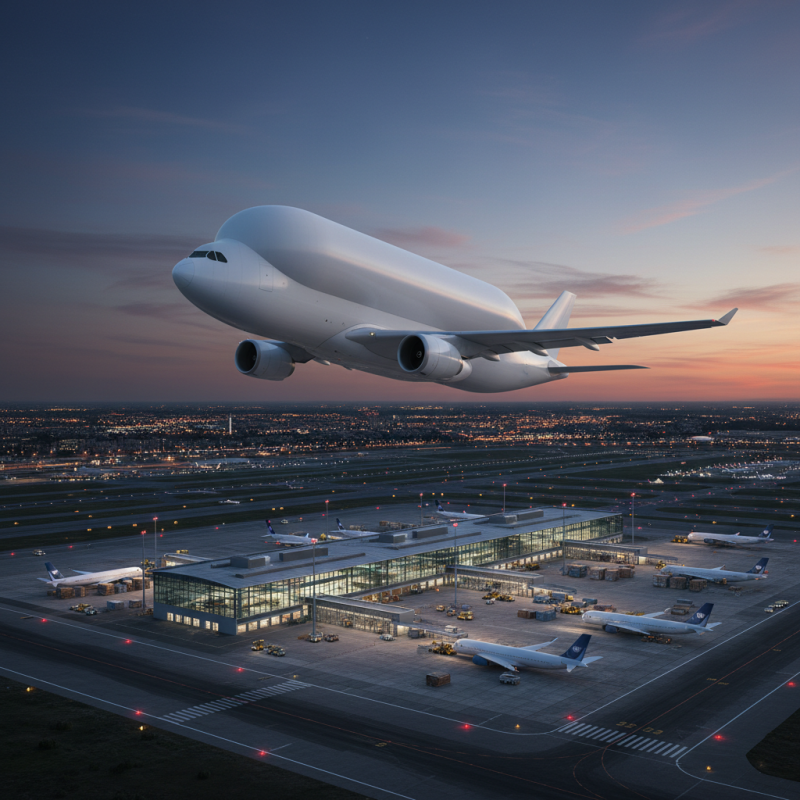
Top 10 Air Freight Services: A Comprehensive Overview for Global Buyers
When considering air freight services, global buyers face a variety of choices. Understanding these options can streamline shipping processes. Air freight is crucial for time-sensitive deliveries. Services vary widely, from cost to speed. The best providers offer flexible solutions tailored to client needs.
Accuracy in documentation is vital to avoid delays. Shippers must ensure compliance with all regulations. A misstep can lead to significant setbacks. Communication with the freight provider is essential. Regular updates keep buyers informed throughout the shipping journey. Building relationships with logistics experts contributes to smoother transactions.
Cost management is often a challenge. While air freight is faster, it can also be more expensive than other shipping methods. Buyers need to weigh urgency against budget constraints. Many factors impact pricing, including weight, size, and distance. Identifying the right service can save both time and money. Every choice has its pros and cons, requiring careful consideration and reflection on specific needs. Prioritizing reliability and transparency from providers will lead to better outcomes.
Key Factors Influencing Air Freight Costs and Service Efficiency
When choosing air freight services, several key factors can influence costs and efficiency. Capacity availability often drives prices up when demand is high. Seasonal trends can lead to price surges, affecting global shipping schedules. Understanding these fluctuations helps buyers plan shipments better.
Another vital element is the weight and dimensions of the cargo. Heavier and bulkier items incur higher fees. It’s essential to know the correct weight to avoid unexpected charges. Additionally, dimensional weight charges can complicate budgets, especially for oversized goods. Understanding the pricing structure is necessary to manage costs effectively.
Route selection also plays a significant role in delivery speed and cost. Direct flights usually save time but may cost more. Conversely, connecting flights can offer lower rates but extend delivery times significantly. Evaluating trade-offs in speed and price can lead to better decisions. These choices reflect the importance of informed planning in air freight logistics.
Analysis of Air Freight Service Providers’ Market Share in 2023
The air freight market in 2023 has seen significant changes. Providers are navigating complex global supply chains. Competitive pressures drive innovation and efficiency in the industry. Many companies have updated their logistics strategies. This adaptation is essential for meeting customer demands.
Market share analysis reveals key players. Some service providers dominate the landscape. They invest heavily in technology and infrastructure. This positions them ahead of smaller competitors. However, many emerging providers show promise. They focus on niche markets and specialized services. This diversification adds to the competition.
Challenges persist within the air freight sector. Capacity limitations can lead to delayed shipments. Environmental concerns also impact operational choices. Providers need to balance efficiency and sustainability. As the market evolves, understanding trends becomes vital. Buyers must stay informed on service changes. This knowledge is crucial for making strategic decisions in their operations.
Top 10 Air Freight Services for Global Buyers in 2023
Comparative Study of Transit Times Across Major Air Freight Carriers
Air freight services play a vital role in global trade, providing fast transport for goods across continents. According to a report by the International Air Transport Association (IATA), the world's air freight demand remains strong, with a 5% increase in 2023 over the previous year. This growth reflects the reliance on air freight for time-sensitive shipments.
Transit times can significantly vary among carriers. Some carriers offer next-day delivery for specific routes, while others take several days. A comparative study showed that average transit times from Asia to North America range from 2 to 5 days, depending on the airline and services utilized. Delays, often caused by weather or customs checks, need to be factored into logistics planning. The unpredictability of these factors can disrupt supply chains.
Shippers should analyze transit performance data carefully. Not all carriers deliver consistently. Reports indicate that about 20% of air freight shipments experience delays. This inconsistency underscores the need for buyers to research transit times. Ensuring the right balance between speed and reliability can pose challenges. Making informed choices is essential for meeting tight deadlines in the global market.
Emerging Trends in Air Freight: Sustainability and Technology Integration
Emerging trends in air freight are reshaping the global supply chain landscape. A 2023 report from the International Air Transport Association predicts that the industry may see a 25% increase in demand for air cargo over the next five years. This growth is heavily linked to sustainability initiatives and technology integration. Companies are increasingly prioritizing eco-friendly practices in their logistics operations.
Sustainable aviation fuels (SAF) are gaining traction, aiming to reduce carbon emissions by up to 80% compared to conventional fuels. According to a study by the Air Transport Action Group, switching to SAF can significantly lessen the environmental impact of air freight. However, the logistics of producing and distributing SAF remain complicated and costly. The transition is not just about technology but also about changing long-standing practices.
On the technology front, automation and digitalization are becoming essential. AI and IoT are streamlining operations, enhancing tracking, and reducing lead times. An ABI Research report indicates that these advancements could save the industry over $5 billion annually. Yet, the reliance on technology also raises questions about cybersecurity and workforce adaptation. The journey toward fully integrated smart logistics will require addressing these vulnerabilities while maintaining operational efficiency.