


Choosing a Sleeping Bag for camping means balancing warmth, weight, comfort, and price. A roomy car-camping model can feel cozy beside a tent, while the same bulk may be frustrating on a long hike. The right choice depends on where you sleep, the season, and how easily you feel cold. Small details matter.
This guide to the top 10 camping sleeping bags compares useful features, including temperature ratings, insulation type, shape, packed size, and zipper design. Ratings offer a helpful starting point, but real comfort can vary with weather, clothing, shelter, and personal preference. Check the manufacturer’s guidance, and consider a warmer option if overnight temperatures may approach a bag’s limit. A sleeping pad matters, too; a warm bag cannot do its job as well on cold ground.
The selections are intended to serve different campers, from weekend car campers to hikers watching every ounce. We focus on practical trade-offs rather than assuming one model suits everyone. Some bags save weight but leave less room to stretch. Others feel plush but take up valuable pack space. There is no perfect pick. Use the comparisons to narrow your options, then confirm current specifications and fit before buying. A short test at home can reveal an awkward hood or zipper before your first chilly night outdoors.
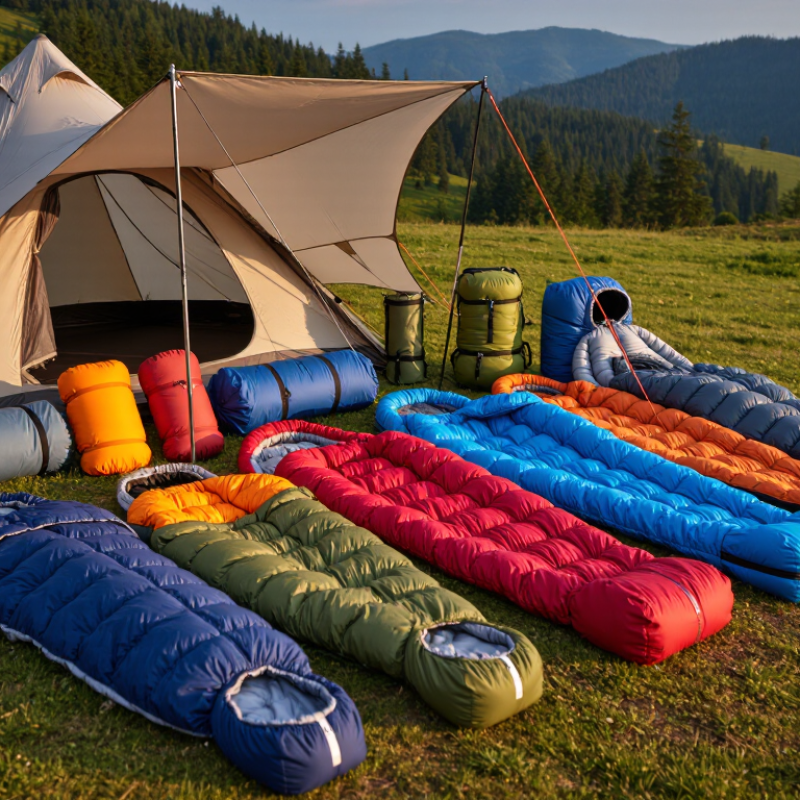
A camping sleeping bag is an insulated sleep system designed to slow heat loss outdoors. It differs from a household blanket through its shape, insulation, and weather-aware construction. Many bags taper toward the feet, reducing empty space your body must warm. A hood and draft collar can help retain heat on cold nights. Small details matter.
A bag’s warmth depends on more than the temperature printed on its label. Check whether the rating describes comfort or a lower limit, then compare it with expected overnight lows. Insulation may be down or synthetic, each with trade-offs in compressibility, moisture handling, and care. A bag should fit without pinching your shoulders or leaving a large cold pocket. Ground chill is easy to underestimate; a sleeping pad matters too.
Tips: Match the bag to the coldest likely night and pair it with an insulated pad. Store it loose and dry at home. Test the zipper before leaving; it can snag at the worst time.
When comparing sleeping bags, start with the temperature rating, not the color or packed size. ISO 23537-1:2022 defines standardized thermal testing and reports comfort, limit, and extreme temperatures. These figures help compare bags, but they are not promises of comfort. A cold sleeper may feel chilly near the stated limit.
Check the insulation next. Down usually compresses into a smaller bundle, while synthetic fill can be easier to manage when damp. Compare total weight and packed volume against your trip length and backpack space. Also check the shape: a close-fitting hood and draft collar reduce gaps around your neck. Small details matter.
Your sleeping pad affects warmth, too. ASTM F3340 provides a standardized method for measuring camping-mattress thermal resistance, or R-value. Compare pad ratings alongside bag ratings; a warm bag cannot fully compensate for a cold surface. The Outdoor Industry Association’s 2024 Outdoor Participation Trends Report counted 175.8 million U.S. outdoor participants in 2023, reflecting a wide range of trip conditions.
Look beyond the headline number. I still find ratings easy to misread. Think about expected night temperatures, moisture, and how you sleep, then choose a margin of warmth rather than the lowest rating you can tolerate.
The right sleeping bag depends less on a “top ten” ranking than on the weather, campsite, and way you sleep. For mild summer nights at established campsites, a roomy rectangular bag allows easy movement and feels comfortable when temperatures stay gentle. Room helps. Mummy bags taper around the feet and shoulders, reducing empty space your body must warm. That close fit can feel restrictive, though, especially for restless sleepers. Semi-rectangular bags offer a middle ground for cool nights when full mummy-bag snugness seems like too much.
For cold, exposed trips, choose a bag rated for temperatures near or below the lowest conditions you reasonably expect. Read the comfort rating, not just the lower limit; ratings are estimates, and people feel cold differently. Down insulation packs small and suits dry backpacking trips, while synthetic fill retains more warmth when damp and dries faster. Neither makes a wet bag pleasant. In humid forests or rainy seasons, protect your insulation with a dry storage sack and keep it off the tent wall. Quilts can save weight in mild conditions, but they need a compatible sleeping pad and careful edge placement to block drafts. Your pad matters. Cold ground can drain warmth even from a suitable bag. Test your setup close to home; a forecast can be wrong, and I still find the “perfect” choice depends on how much room I need to sleep well.
Typical comfort-temperature bands (°C), from warmer-weather bags to expedition bags.
These illustrative ranges describe common uses, not guaranteed ratings: temperature performance varies by design, fill, fit, and manufacturer. For a specific bag, compare its ISO/EN comfort rating with the coldest conditions expected on your trip.
The best sleeping bag depends on season, fit, and how much weight you can carry. A summer rectangular bag feels roomy but leaks warmth around its sides. A three-season mummy bag holds heat better, though its narrow cut can feel restrictive. A winter mummy adds insulation for colder nights, but its bulk may be tiring on long hikes. Down bags pack small and weigh little; synthetic bags usually cope better with damp conditions, but take up more space.
A double bag suits couples, while a kids’ bag can reduce unused space around smaller sleepers. A camping quilt vents easily, yet leaves more room for drafts. Wearable bags allow movement around camp, but can be awkward to seal tightly. Budget bags save money, though zippers and stitching may wear sooner. Ultralight bags cut pack weight, with less cushion for rough handling. That is the trade-off: one feature rarely improves everything.
Check the temperature label, not just the season printed on the bag. ISO 23537 sets laboratory methods for testing adult sleeping-bag performance, but real comfort also depends on your pad, clothing, and sensitivity to cold. The Outdoor Industry Association’s 2024 Outdoor Participation Trends Report counted 175.8 million U.S. outdoor participants in 2023; more people outdoors means more varied trip conditions, not one ideal bag. One awkward truth: a warmer bag can still feel cold on a thin pad. Test your full sleep setup before a remote trip.
Choose a sleeping bag for the coldest conditions you realistically expect, not the warmest afternoon forecast. ISO 23537-1:2022 uses standardized thermal testing and reports Comfort, Limit, and Extreme temperatures. Treat Comfort as a useful starting point; Extreme is not a sensible target for a night outdoors. Match the bag to your sleeping pad, too: a warm bag cannot stop heat escaping into cold ground. Fit matters. Extra space can feel drafty, while a cramped bag may compress insulation.
Tips: Check the temperature rating and care label before buying. Pack the bag dry, and air it out after each trip. At home, store it loosely rather than compressed; long-term compression can reduce loft. Wash only as directed, since rough handling or unsuitable detergent may damage insulation.
The Outdoor Foundation’s 2024 Outdoor Participation Trends Report counted 175.8 million U.S. outdoor participants in 2023, reflecting how widely conditions and trip styles can vary. Choose insulation for your climate, transport, and ability to dry gear: down is light and compressible, while many synthetic fills cope better with damp conditions. A common mistake is focusing too much on packed size. I’d check comfort and fit first, then decide whether the smaller bundle is worth it. Cold feet matter. A liner can add warmth, but it will not replace a suitable bag or pad.
These are ten useful sleeping-bag styles rather than specific products or brands. Weight and comfort-temperature figures are typical ranges, not guarantees; actual specifications vary by design and size. When comparing bags, look for an ISO 23537 or EN 13537 comfort rating where available, and choose for the coldest conditions you expect.
| Rank | Sleeping-bag style | Insulation and shape | Typical comfort range | Typical packed weight | Best suited to | Care and buying notes |
|---|---|---|---|---|---|---|
| 1 | Three-season down mummy | Down; close-fitting hooded shape | About −5 to 0°C | About 0.7–1.4 kg | Backpacking when low weight and pack size matter | Keep down dry; air out after trips and store loosely at home. |
| 2 | Three-season synthetic mummy | Synthetic fill; close-fitting hooded shape | About −5 to 0°C | About 1.2–2.0 kg | General camping, especially in damp conditions | Often retains more warmth than down when damp; follow the care label for washing. |
| 3 | Warm-weather rectangular | Usually synthetic; roomy rectangular cut | About 10°C and above | About 0.8–1.5 kg | Summer trips and warm-weather car camping | Check the temperature rating; unzip for ventilation rather than using it in colder weather than rated. |
| 4 | Lightweight summer mummy | Down or synthetic; narrow, hooded cut | About 5–10°C | About 0.5–1.0 kg | Warm-season backpacking and compact packing | Prioritize a fit that allows movement without excess empty space; keep it clean and dry between trips. |
| 5 | Cold-weather synthetic mummy | Thicker synthetic fill; hood and draft collar | About −15 to −5°C | About 2.0–3.5 kg | Cold, damp trips where pack weight is less important | Use a suitable insulated sleeping pad too; wash only as directed to protect the fill. |
| 6 | Cold-weather down mummy | High-loft down; hooded shape with draft protection | About −15 to −5°C | About 1.2–2.2 kg | Cold backpacking where low packed weight is valuable | Protect from moisture; store uncompressed and use a down-specific wash when needed. |
| 7 | Roomy three-season bag | Down or synthetic; semi-rectangular or wide cut | About 0 to 5°C | About 1.0–2.0 kg | Side sleepers and campers who prefer room to move | Try the fit if possible; extra space can feel less warm in cold conditions. |
| 8 | Double rectangular bag | Usually synthetic; designed for two people | Often about 5–10°C | About 2.0–4.0 kg total | Car camping and shared sleeping space | Confirm the dimensions and rating for two sleepers; air fully before storage. |
| 9 | Quilt-style backpacking sleep system | Usually down; open underside, used with a sleeping pad | Commonly about 0–5°C; varies widely | About 0.4–1.0 kg | Experienced backpackers seeking a light, adaptable setup | The pad is essential for insulation underneath; learn to secure the quilt to limit drafts. |
| 10 | Expedition mummy | High-loft down or synthetic; insulated hood and draft features | About −20°C and below, depending on the rating | About 1.5–3.0 kg | Severe cold and winter trips with suitable equipment and experience | Check the tested rating and pair it with an appropriately insulated pad; dry thoroughly after use. |
Quick care guide: Follow the sewn-in care label, spot-clean small marks, and use a large front-loading washer only if the instructions permit. Dry completely before storing; keep the bag loosely stored rather than compressed for long periods. A sleeping pad is important because the ground can draw heat away from the body.