Essential Tips for Choosing Lighting Fixtures for Your Home?
Choosing the right lighting fixtures for your home is essential. The right lights can transform a space, creating a mood and highlighting design elements. Consider how different lighting fixtures will fit into your overall aesthetic. They should provide both functionality and style.
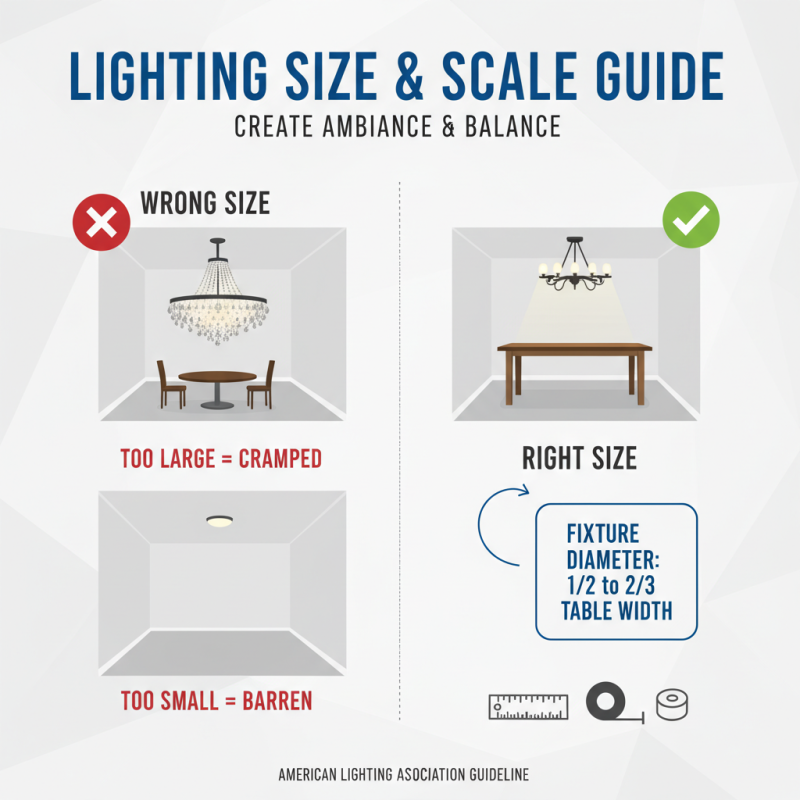
Think about the size and scale of the fixtures. A large chandelier can dominate a small room, while tiny fixtures can get lost in a grand space. Additionally, the type of light—warm or cool—affects the atmosphere. Reflect on how you want each room to feel.
Finally, budget plays a key role. It's tempting to splurge, but striking a balance is vital. Investing in quality fixtures can be smart, but don’t overlook simpler, affordable options. Finding the perfect lighting fixtures takes time and patience. This journey involves experimenting and making choices that resonate with your vision.
Understanding the Different Types of Lighting Fixtures Available
Lighting is a crucial component of home design. Understanding the various types of fixtures can transform any space. There are several categories—ambient, task, and accent lighting. Each serves a unique purpose and creates different atmospheres.
Ambient lighting provides overall illumination. It often comes from ceiling-mounted fixtures. According to industry reports, ambient lights account for about 50% of the total lighting used in homes. Task lighting, such as desk lamps, focuses on specific areas for activities like reading or cooking. This type of lighting is vital, especially in work areas. Many homeowners overlook this need. Accent lighting highlights art or architectural features, adding depth and visual interest.
Selecting the right fixture can feel overwhelming. There are styles ranging from modern to vintage. The options seem endless; not every choice suits every room. For instance, a trendy pendant lamp may overwhelm a small kitchen. Poorly chosen fixtures can diminish a room’s appeal. Consider energy efficiency too. LED options are popular, but some may find the light too harsh. Finding balance is key. Choose fixtures that not only fit your aesthetic but also complement the function of the room.
Essential Tips for Choosing Lighting Fixtures for Your Home
| Type of Lighting Fixture |
Description |
Best Use Areas |
Style |
| Chandeliers |
Elegant fixtures that hang from the ceiling and provide ambient light. |
Dining rooms, entryways, and living rooms. |
Traditional, Modern, Industrial. |
| Wall Sconces |
Fixtures attached to walls that provide both ambient and task lighting. |
Hallways, bathrooms, and living rooms. |
Contemporary, Rustic, Classic. |
| Recessed Lighting |
In-ceiling fixtures that provide a clean, modern look. |
Kitchens, living rooms, and offices. |
Modern, Minimalist. |
| Table Lamps |
Portable lamps providing focused light, great for reading. |
Bedrooms, living rooms, and offices. |
Eclectic, Traditional, Contemporary. |
| Floor Lamps |
Tall lamps that stand on the floor, providing both task and ambient light. |
Living rooms, reading nooks. |
Modern, Vintage, Industrial. |
Assessing Your Home's Lighting Needs and Style Preferences
When selecting lighting fixtures for your home, understanding your
lighting needs is crucial. Consider each room's function. For example, kitchens require
bright lights for cooking. Living areas benefit from softer lighting for
relaxation. Measure the space to ensure your fixtures fit well. Ensure the scale matches
the size of the room and furniture.
Your style preferences play a significant role. Do you lean toward modern or traditional designs?
Maybe a mix intrigues you? Color and material can define the room’s vibe. A brass fixture
can add warmth, while chrome offers a sleek feel. Look for fixtures that create a
cohesive look with your existing decor. Remember, it’s okay to make choices that don’t feel perfect. You may find your preferred style
changes over time. Trust your instincts, but don’t hesitate to reflect on your choices after installation.
Choosing the Right Size and Scale for Your Lighting Fixtures
When selecting lighting fixtures, size and scale are crucial factors that can significantly impact a room's ambiance. According to a report by the American Lighting Association, the wrong size can make a space feel cramped or barren. For instance, a large chandelier in a small dining room can overwhelm the space. Ideally, the diameter of a fixture should be about one-half to two-thirds the width of the table it hangs over. This guideline ensures balance and harmony.
Consider also the height of your fixtures. A common oversight happens when fixtures are hung too high or low. Standard practice suggests allowing at least 30 inches from the bottom of a chandelier to the tabletop in dining areas. In living spaces, aim for about 7 feet from the floor to the bottom of the fixture. These measurements allow for both visual appeal and functionality. However, room functions and personal style can sometimes conflict with these guidelines.
Another aspect to ponder is the visual weight of your chosen fixtures. A massive pendant might dominate a high ceiling, while a delicate fixture may get lost in a vast space. According to design principles, the scale should echo the dimensions of the room. If a room feels off-balance, it may be necessary to reassess the chosen fixtures. Always remember, striking the right balance is not always straightforward and deserves thoughtful reflection.
Energy Efficiency and Sustainability in Lighting Options
Choosing the right lighting fixtures can significantly impact energy consumption and sustainability in your home. According to the U.S. Department of Energy, lighting accounts for approximately 15% of residential energy usage. This makes efficient lighting choices essential for both the environment and your wallet.
LED bulbs are a popular option. They use up to 80% less energy than traditional incandescent bulbs. Moreover, LED lights can last up to 25 times longer. Yet, some homeowners may hesitate, fearing the initial cost. It's crucial to consider the long-term savings. A single LED bulb might cost more upfront but can save over $100 in electricity over its lifetime.
Incorporating smart lighting systems is another effective strategy. These systems automatically adjust brightness based on natural light levels, further reducing energy waste. Reports show that homes using smart lighting can cut their energy bills by up to 30%. Despite the benefits, many people remain unaware of these technologies. It’s a missed opportunity for energy conservation. Balancing aesthetics with eco-friendliness poses a challenge, but the focus should always be on sustainability.
Installation and Maintenance Considerations for Lighting Fixtures
Choosing the right lighting fixtures involves careful consideration of installation and maintenance. Homeowners should ensure electrical wiring is up to standard. Improper wiring can lead to issues down the line. Sometimes, hiring a professional can save time and stress. Think about the location of your fixtures. High ceilings may require special mounting tools. Low-hanging pendant lights can make a room feel cozy but may need regular dusting.
Maintenance is equally crucial. Regularly check light bulbs for burnouts. Replacing bulbs promptly keeps a consistent ambiance. Fixtures in kitchens and bathrooms may need more frequent cleaning due to humidity and grease. In these areas, using moisture-resistant fixtures can prevent rust. Be mindful of the materials used in your lighting. Certain finishes can tarnish quickly. A good practice is to wipe them down periodically.
Consider the energy sources for your lights. LED fixtures are an eco-friendly option but may have higher upfront costs. Some fixtures use traditional incandescent bulbs, which are easy to find. However, they consume more energy. Reflect on your overall needs and preferences before deciding. Each choice in lighting impacts the overall atmosphere and functionality of your home.
Lighting Fixture Preferences Among Homeowners