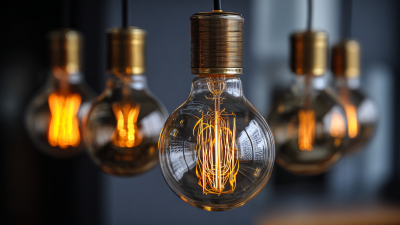


What is Light Supply and How Does It Impact Your Business?

Light supply is a crucial aspect of modern business operations. It refers to the amount and quality of light provided in a workspace or retail environment. According to Dr. Jennifer Bright, a leading expert in lighting design, “The right light supply can enhance productivity and influence customer behavior.” Her insight underscores the significance of how light supply affects both employees and customers.

Creating the ideal light supply involves careful consideration. Too little light can lead to fatigue and decreased performance. Conversely, excessive brightness may cause discomfort and distraction. Businesses must strike a balance to foster a conducive atmosphere. Implementing smart lighting solutions can lead to remarkable improvements in both employee morale and customer satisfaction.

Evaluating current light supply levels is essential for ongoing success. Regular assessments can reveal areas for improvement. This reflection can help businesses stay competitive in an evolving market. Adapting to the needs of your space requires a keen understanding of how light affects human behavior. Taking steps to optimize light supply is not just beneficial; it’s vital for sustainable growth.
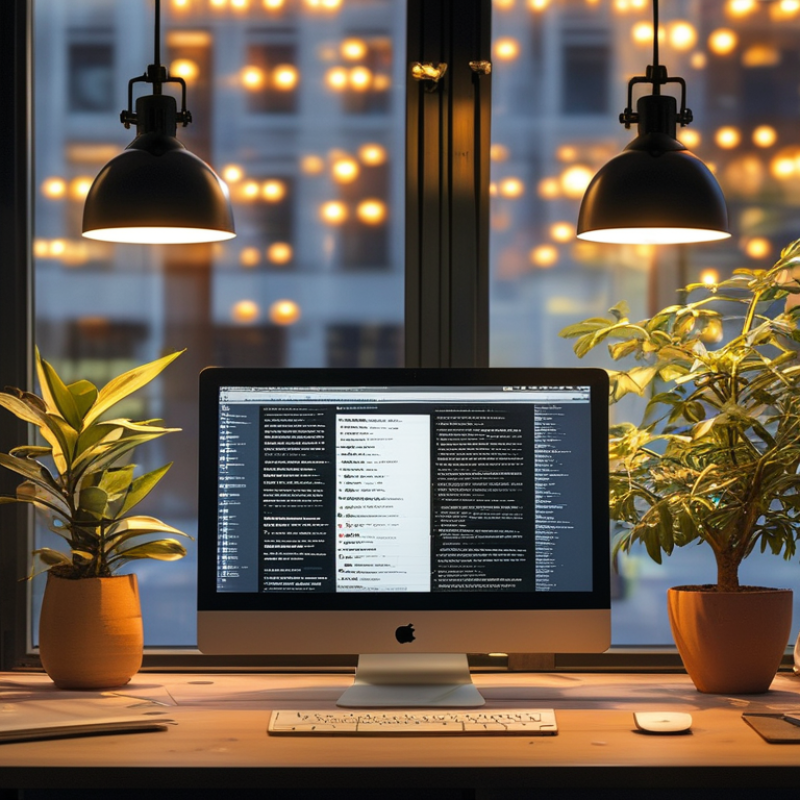
What is Light Supply and How Does It Impact Your Business?

Understanding the Concept of Light Supply in Business Settings

Light supply plays a critical role in shaping business environments. Proper lighting enhances productivity and employee satisfaction. A study from the Lighting Research Center indicates that well-designed lighting can boost productivity by up to 20%. This is significant for businesses aiming to optimize performance.

Research shows that lighting impacts customer behavior as well. Bright spaces can encourage customers to stay longer and explore more. A report from the International Journal of Retail & Distribution Management reveals that appropriate lighting increases sales by as much as 30%. These statistics underline the importance of investing in quality light supply.

However, not all businesses recognize this potential. Many rely on outdated lighting systems that do not promote optimal conditions. Companies must reevaluate their lighting strategy. Investing in LED technology could lead to energy savings and a better ambiance. Yet, the initial costs can be daunting for some businesses. Striving for the right balance between cost and benefit is crucial for sustained growth.
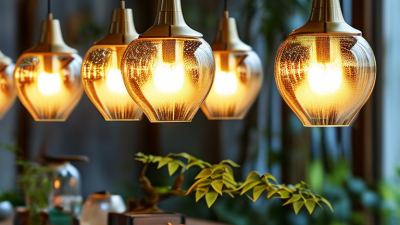
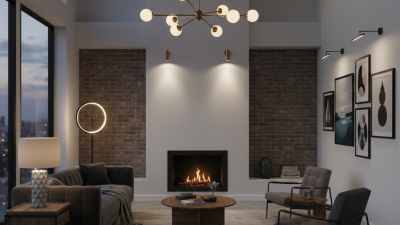
Types of Light Supply: Natural vs. Artificial Light Sources

Natural light plays a crucial role in any workspace. Studies show that exposure to natural light increases productivity by 15%. Workers in well-lit environments feel more energized. This can lead to higher job satisfaction and lower turnover rates. Many companies underestimate the power of sunlight. It’s not just about aesthetics; it directly impacts performance.

On the other hand, artificial lighting is essential, especially in spaces lacking windows. LED lights are now the standard, providing brightness while being energy-efficient. However, improper use can lead to eye strain or discomfort. Companies often rely too heavily on artificial light, neglecting its effects on employee well-being. Research indicates that dim lighting is linked to lower productivity. Thus, it’s vital to fine-tune lighting choices.

Striking a balance between natural and artificial sources is crucial for optimal performance.

Implementing smart lighting solutions can mitigate these issues. Adjusting brightness based on the time of day aligns with our natural circadian rhythms. Yet, some businesses still stick to outdated lighting systems, impacting efficiency. Regular evaluations of light supply can help in making informed decisions. By understanding the nuances of natural and artificial light, companies can create a healthier and more productive environment.

The Role of Light Supply in Enhancing Workplace Productivity

Light supply significantly influences workplace productivity. Studies indicate that effective lighting can boost employee performance by up to 20%. Bright, well-distributed light enhances focus and helps employees stay alert throughout the day. In contrast, inadequate lighting can lead to fatigue and decreased morale. Poorly lit environments may hinder creativity and collaboration, critical components of a thriving workplace.

Research from the American Society of Interior Designers reveals that 68% of employees claim lighting affects their job performance. Workers in well-lit spaces report higher levels of satisfaction. Natural light, in particular, plays a vital role in reducing eye strain and improving mood. However, it's crucial to balance brightness; overly harsh lighting can lead to discomfort and distractions.

Employers must evaluate their light supply strategies. Consideration of energy-efficient options can also reduce costs. Studies suggest that investing in quality lighting pays off. Environments designed with appropriate light levels contribute to a more engaged and productive workforce. Failing to address light supply may leave potential productivity gains unrealized.

Impact of Light Supply on Employee Well-Being and Mood

Light supply significantly influences employee well-being and mood. Natural light, or the lack thereof, plays a crucial role in mental health. Studies show that exposure to sufficient sunlight can reduce stress and elevate mood. Many indoor environments, especially offices, struggle with inadequate light. This situation can lead to feelings of fatigue and irritability among employees.

Creating a well-lit workspace can enhance productivity. Employees are more engaged when they feel comfortable in their environment. Bright, fresh spaces encourage creativity and collaboration. However, not all artificial light is beneficial. Harsh fluorescent lights can cause eye strain and headaches, resulting in decreased motivation. Too much light can also create discomfort. Balancing light intensity is often overlooked.

It’s essential to assess individual preferences. Some employees may thrive under brighter conditions, while others prefer softer lighting. Regular feedback can help refine workplace lighting. This approach acknowledges various employee needs and improves overall satisfaction. Recognizing these factors might seem minor, but they can significantly impact workplace dynamics and employee performance.

Strategies for Optimizing Light Supply to Boost Business Performance

Light supply is crucial in driving business performance. To optimize it, businesses need to assess their current lighting conditions. Poor lighting can lead to lower productivity and affect employee morale. A well-lit environment, however, can enhance focus and creativity. It is essential to evaluate the color temperature and intensity of existing lights. Natural light can also be a valuable asset. Harnessing it maximizes the potential of your workspace.

Adjustments to light supply do not always require a large budget. Simple changes, like rearranging desks closer to windows, can make a significant difference. Additionally, investing in energy-efficient lighting can reduce costs in the long run. It’s crucial to track employee feedback on lighting changes. This helps create an environment that fosters well-being and productivity. Regular assessments are necessary. They ensure that light conditions evolve with the needs of your business.

Innovative lighting strategies can boost business performance. Different activities require varying light levels. Understanding these needs allows for tailored solutions. The interplay between artificial and natural light should be considered. Reflecting on your lighting strategy can reveal areas for improvement. A well-thought-out approach to light supply can lead to higher efficiency and satisfaction. Adjustments, when made thoughtfully, can be game-changers in the workplace.

What is Light Supply and How Does It Impact Your Business? - Strategies for Optimizing Light Supply to Boost Business Performance

Dimension Description Impact on Business Optimization Strategy
Natural Light Use of sunlight in workspaces. Increases employee mood and productivity. Design open spaces with large windows.
Artificial Lighting Use of LED and fluorescent lights. Reduces energy costs and improves visibility. Implement smart lighting systems.
Lighting Color Temperature Cool vs. warm light settings. Affects concentration and comfort levels. Adjust color temperature based on task requirements.
Lighting Control Systems Automated lighting adjustments. Enhances energy efficiency and flexibility. Invest in advanced control technology.
Task Lighting Localized lighting for specific tasks. Boosts focus and reduces eye strain. Provide desk lamps or adjustable overhead lighting.