How to Use Infrared Light for Health Benefits and Enhanced Wellness
In recent years, the spotlight has turned towards alternative therapies that harness the power of nature for health improvement, and one such promising avenue is the use of infrared light. Known for its ability to penetrate the skin and impact body tissues at a cellular level, infrared light has garnered attention for its potential to promote healing, reduce pain, and enhance overall wellness. This innovative approach encourages a deeper understanding of how light, an essential element in our natural world, can be utilized to foster a holistic lifestyle.
As awareness grows around the myriad benefits of infrared light, individuals are increasingly seeking effective ways to incorporate this technology into their daily routines. Research suggests that exposure to infrared light can stimulate circulation, facilitate detoxification, and even support mental well-being by promoting relaxation and reducing stress. This article will explore the science behind infrared light, how it can be conveniently accessed, and practical tips for integrating it into your health regimen. By shedding light on this fascinating subject, we aim to empower readers to take proactive steps towards enhanced wellness through the safe and beneficial use of infrared light.
Understanding Infrared Light: Types and Mechanisms
Infrared light is a type of electromagnetic radiation that lies beyond the visible spectrum, categorized primarily into three types: near-infrared, mid-infrared, and far-infrared. Each type has unique properties and health applications. Near-infrared light, with its shorter wavelengths, penetrates the skin deeply, promoting cellular repair and regeneration. Its ability to enhance circulation and oxygenation makes it a powerful ally in recovery from injuries and overall tissue healing. Mid-infrared light, on the other hand, is particularly effective at generating heat, which can aid in muscle relaxation and pain relief. This heating effect contributes to improved joint mobility and is often utilized in therapeutic applications such as physiotherapy.
Far-infrared light operates at longer wavelengths and is known for its ability to induce a deeper thermal response in the body. By enhancing thermal detoxification processes, far-infrared light can stimulate sweating, promoting the elimination of toxins and impurities. Additionally, it contributes to enhanced blood circulation and metabolic activity, which can support weight management and improved skin health. Understanding the mechanisms of these different types of infrared light highlights their potential benefits in holistic health practices, providing a non-invasive approach to enhance wellness and overall quality of life.
Health Benefits of Infrared Light
The Science Behind Infrared Light and Its Health Benefits
Infrared light, a part of the electromagnetic spectrum, is known for its ability to penetrate deep into the skin, promoting various health benefits. This non-invasive therapy harnesses energy from infrared rays to stimulate cellular regeneration, improve circulation, and enhance detoxification. Various studies have shown that exposure to infrared light can boost collagen production, alleviate pain, and reduce inflammation, making it an excellent tool for overall wellness.
Tips for maximizing the benefits of infrared light include incorporating short, frequent sessions into your routine, rather than longer, less frequent ones. This approach allows your body to adapt gradually and optimize detoxification processes. Additionally, consider combining infrared light therapy with hydration practices to help flush out toxins and support skin health.
Another key tip is to create a relaxing environment during your sessions. Dim lighting, soothing music, and comfortable temperatures can enhance the experience, allowing you to fully benefit from the effects of infrared light therapy. By integrating these practices into your wellness routine, you can enjoy the myriad health benefits that infrared light has to offer.
Common Health Applications of Infrared Light Therapy
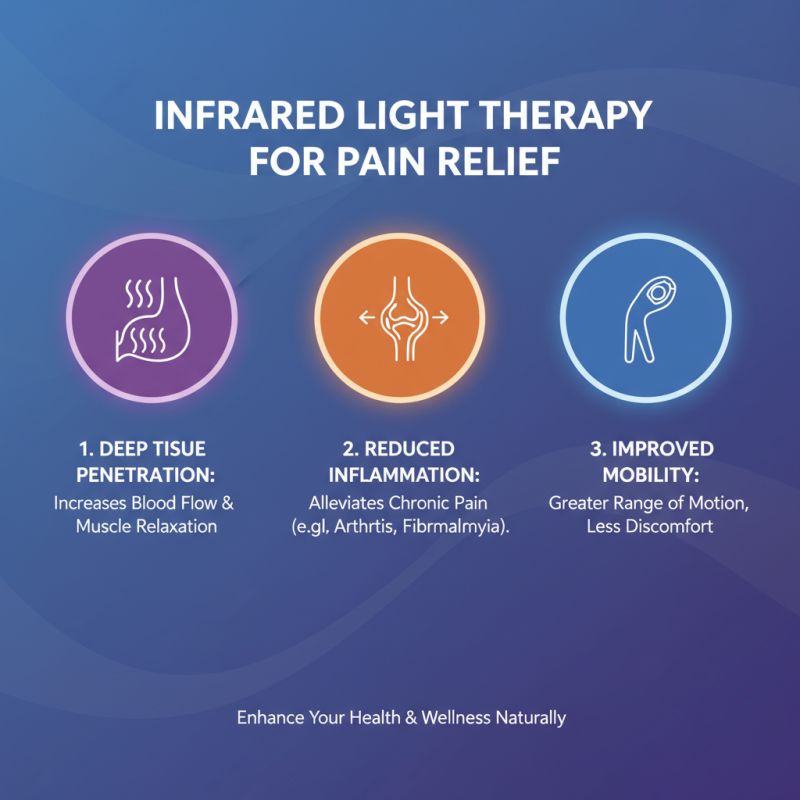
Infrared light therapy is increasingly recognized for its versatile applications in enhancing health and wellness. One of the most common uses is in pain relief. The deep penetration of infrared light into the tissues helps to increase blood circulation and promote muscle relaxation, providing significant relief from chronic pain conditions such as arthritis and fibromyalgia. Patients often report a decrease in inflammation and a greater range of motion, allowing them to engage in daily activities with less discomfort.
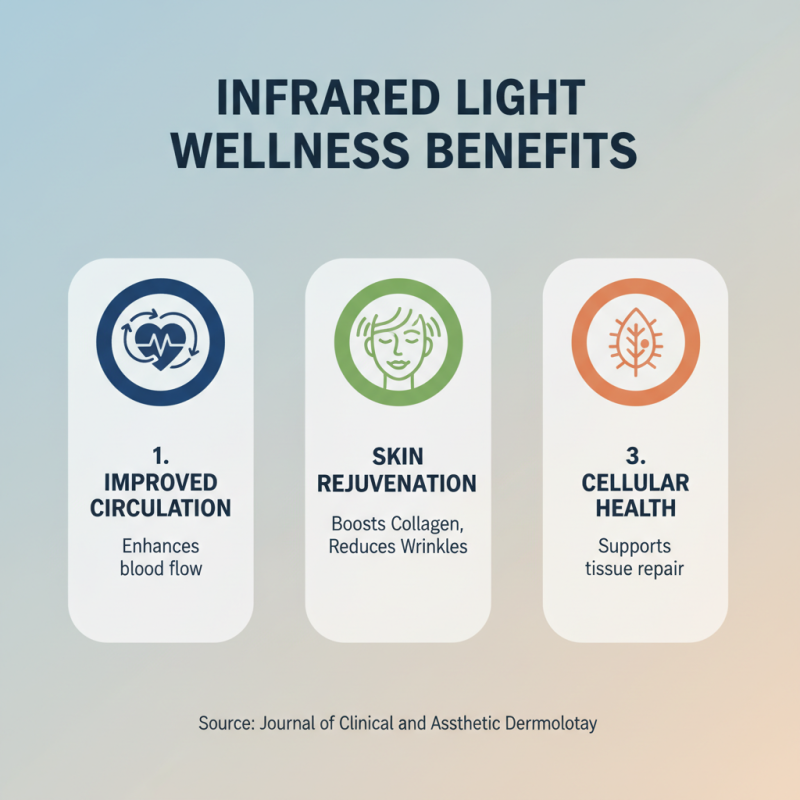
Another notable application of infrared light therapy is in skin care and rejuvenation. The treatment can stimulate collagen production, which aids in reducing fine lines and improving skin texture. By enhancing circulation, infrared light promotes healthier skin by delivering essential nutrients and oxygen, resulting in a more youthful appearance. Additionally, this therapy has been shown to improve conditions such as acne and psoriasis, emphasizing its role as a holistic approach to skin health. As awareness grows, more individuals are seeking infrared light therapy as a natural complement to traditional medical treatments.
How to Implement Infrared Light in Your Wellness Routine
Incorporating infrared light into your wellness routine can enhance health benefits, ranging from improved circulation to better skin health. According to a study published in the Journal of Clinical and Aesthetic Dermatology, infrared light therapy has been shown to stimulate collagen production, thereby promoting skin elasticity and reducing the appearance of wrinkles. This effect can be particularly beneficial for those looking to achieve a youthful complexion without invasive procedures.
To effectively implement infrared light therapy in your routine, consider using devices such as infrared saunas or handheld light therapy units. A report from the National Institute of Health highlights that regular exposure to infrared light can result in decreased muscle soreness and improved recovery times post-exercise. Aim to include 10-20 minute sessions several times a week as part of your fitness and recovery program. Additionally, ensuring a controlled environment, where the light can target specific areas while avoiding overexposure, can maximize the therapeutic effects while minimizing any potential risks.
Safety Considerations and Best Practices for Infrared Light Use
When exploring the benefits of infrared light for health and wellness, it is crucial to prioritize safety considerations and best practices to maximize effectiveness while minimizing risks. Research indicates that exposure to infrared light, specifically in therapeutic settings, can promote improved blood circulation, pain relief, and tissue healing. However, various studies underscore the importance of correct usage to avoid adverse effects, such as skin burns or ocular damage. According to a report by the Journal of Biophotonics, infrared therapy should be applied with caution, particularly concerning exposure duration and intensity levels.
Additionally, it is advisable to ensure that the infrared equipment in use adheres to health and safety standards. The American Society for Testing and Materials emphasizes that devices should have appropriate certifications and should be used according to the manufacturer's guidelines. Users should maintain a safe distance from the infrared light source and consider wearing protective eyewear if direct exposure is anticipated. Furthermore, individuals with specific health conditions or those who are pregnant should consult healthcare professionals before beginning infrared therapy, as certain conditions may require tailored approaches or alternative treatments. Integrating these best practices will not only enhance the therapeutic effects of infrared light but also ensure a safe and beneficial experience.
How to Use Infrared Light for Health Benefits and Enhanced Wellness
| Dimension |
Description |
| Wavelength |
Typically ranges from 700 nm to 1 mm, affecting penetration depth. |
| Health Benefits |
May include pain relief, improved circulation, and enhanced skin health. |
| Application Methods |
Can be used via infrared lamps, saunas, or dedicated devices. |
| Recommended Sessions |
Sessions usually last between 10 to 30 minutes, depending on the method. |
| Safety Considerations |
Avoid direct eye exposure; consult a doctor if sensitive skin or medical conditions are present. |
| Best Practices |
Use in a controlled environment, maintain a safe distance from the source, and hydrate afterwards. |