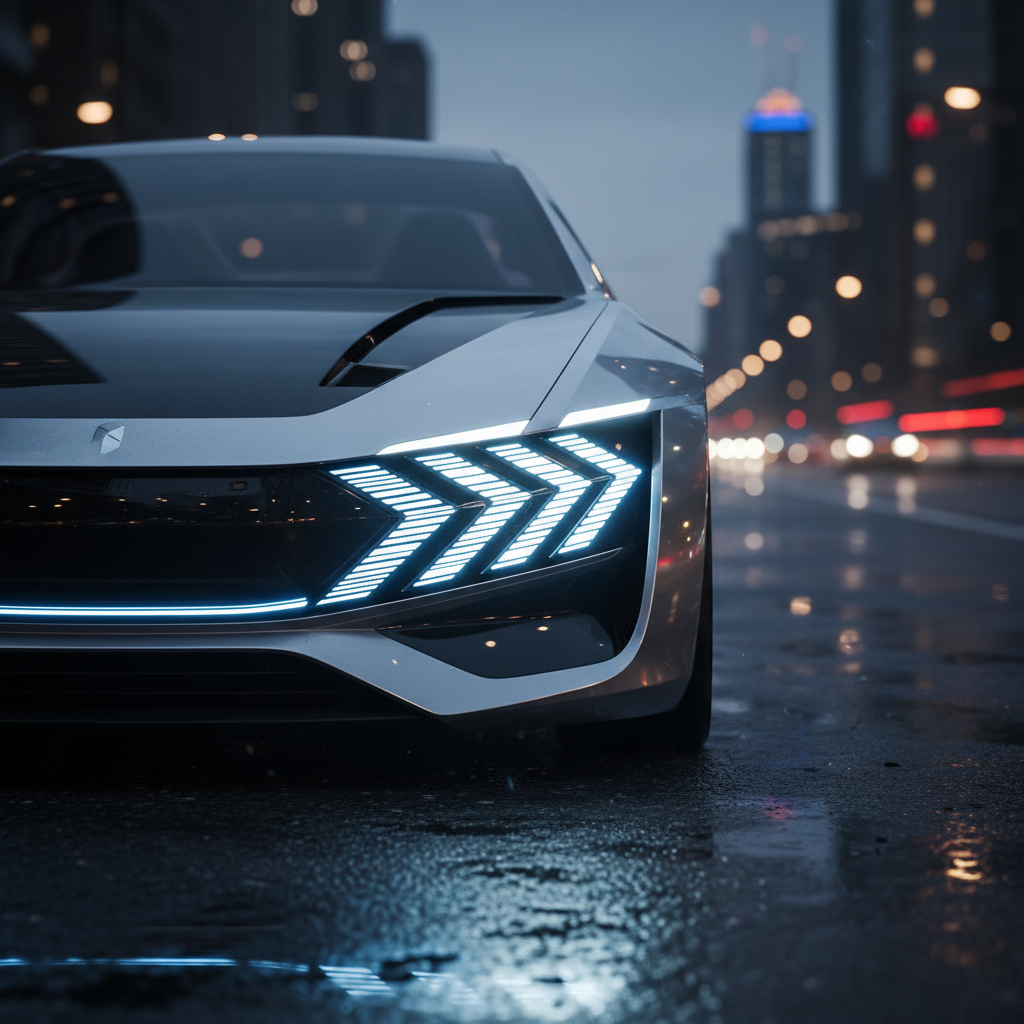
10 Essential Tips to Choose the Best Car Light for Your Vehicle
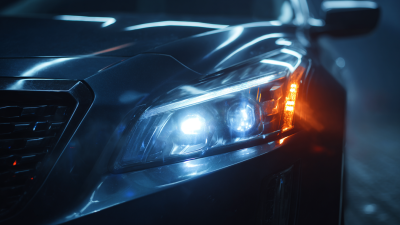
When it comes to vehicle safety and performance, the importance of selecting the right car light cannot be overstated. According to a recent report by the NHTSA, approximately 30% of all traffic accidents occur during nighttime, highlighting the critical role that effective car lighting plays in enhancing visibility and driver awareness. With advancements in technology, car lights have evolved significantly, with options ranging from traditional halogen bulbs to modern LED systems, each offering distinct advantages and challenges.
In this rapidly changing automotive landscape, understanding the specifications and features of various car light types is essential for any vehicle owner. A study published in the Journal of Automotive Engineering indicates that LED headlights can improve visibility by 200% compared to standard halogen lights, making them a preferred choice for safety-conscious drivers. This article will provide you with ten essential tips to help you navigate the myriad of options available in the market today, ensuring you make an informed decision that best suits your vehicle and driving needs.
Understanding Different Types of Car Lights: A Comprehensive Overview
When it comes to choosing the right car lights for your vehicle, understanding the different types available is crucial. Car lights have evolved significantly from mere functional devices to integral components of vehicle design and branding. Today, car lighting systems incorporate various technologies that not only enhance visibility but also contribute to aesthetic appeal and safety.
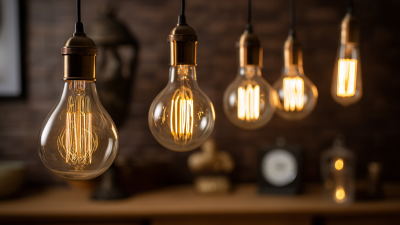
Modern automotive lighting includes a range of products such as halogen, LED, and xenon lights. Each type offers distinct advantages, with LEDs becoming increasingly popular due to their energy efficiency and longevity. Furthermore, advancements in lighting technology have paved the way for adaptive lighting systems, which adjust the direction and intensity of light based on driving conditions. As vehicles embrace automation and personalized features, car lights are also expected to showcase unique designs that reflect the vehicle's character, ultimately helping manufacturers distinguish their models in a competitive market.
Car Light Types and Their Popularity
This chart shows the popularity of different types of car lights among vehicle owners. The data reflects the percentage of respondents who prefer each type of car light for their vehicles.
Key Factors to Consider When Choosing Car Lights for Your Vehicle
Choosing the right car lights for your vehicle is crucial to enhance visibility and improve safety on the road. When selecting car lights, consider factors such as the type of light bulb, the positioning of the lights, and compatibility with your specific vehicle model. For instance, LEDs offer longer lifespan and energy efficiency compared to halogen options. However, you'll need to ensure that they fit well in the front or rear fixtures of your car.
One essential tip is to assess the distribution channel of the lights you intend to purchase. OEM lights might provide better compatibility, but aftermarket products can offer more variety and potentially lower prices. It’s essential to do thorough research on both options and see which provides the best balance of quality and affordability for your needs.
Additionally, think about how the light's design integrates with the overall aesthetic of your vehicle. Some drivers prefer a more modern look with sleek LED designs, while others may favor traditional halogen lights. Ensuring that your car lights align with your personal style can enhance both the functionality and appearance of your vehicle.
10 Essential Tips to Choose the Best Car Light for Your Vehicle
| Tip Number |
Key Factor |
Description |
| 1 |
Type of Light |
Choose between LED, Halogen, or Xenon based on brightness and efficiency. |
| 2 |
Brightness Level |
Consider lumens for adequate illumination without causing glare. |
| 3 |
Color Temperature |
Select a color temperature that matches your preference for visibility. |
| 4 |
Durability |
Look for lights that are shock-resistant and weatherproof. |
| 5 |
Compatibility |
Ensure the lights fit your vehicle's make and model. |
| 6 |
Power Consumption |
Opt for energy-efficient lights to reduce battery drain. |
| 7 |
Installation |
Consider whether the lights require professional installation. |
| 8 |
Safety Ratings |
Check for safety certifications to ensure quality and performance. |
| 9 |
Warranty |
Look for products that offer a warranty for peace of mind. |
| 10 |
User Reviews |
Read customer feedback to gauge performance and reliability. |
How to Assess Brightness and Lumen Output for Optimal Visibility
When choosing the best car lights for your vehicle, assessing brightness and lumen output is crucial for ensuring optimal visibility on the road. Luminous efficacy, measured in lumens, indicates how much visible light is produced per watt of power consumed. According to the U.S. Department of Energy, modern LED headlights can produce over 2,000 lumens, surpassing traditional halogen lights which typically emit around 800 lumens. This enhanced brightness not only improves visibility during night driving but also makes a vehicle more conspicuous to other drivers, reducing the likelihood of accidents.
To choose the right car light, consider the following tips: First, look for lights with a high lumen output tailored to your driving conditions—500 to 1,000 lumens are generally sufficient for urban settings, while 1,000 to 3,000 lumens may be necessary for rural areas or off-road driving. Second, evaluate the beam pattern; it should provide a wide spread of light to cover both the road ahead and peripheral vision. Lastly, don’t overlook color temperature; lights with a color temperature of around 5,000 to 6,500 Kelvin offer a daylight-like quality that increases clarity and decreases eye strain.
Investing in high-quality lighting not only enhances safety but also improves your overall driving experience. Make informed decisions by referring to industry reports that highlight the performance standards of various lighting technologies, ensuring your selection meets both visibility and safety requirements.
The Importance of Energy Efficiency in Car Lighting Solutions
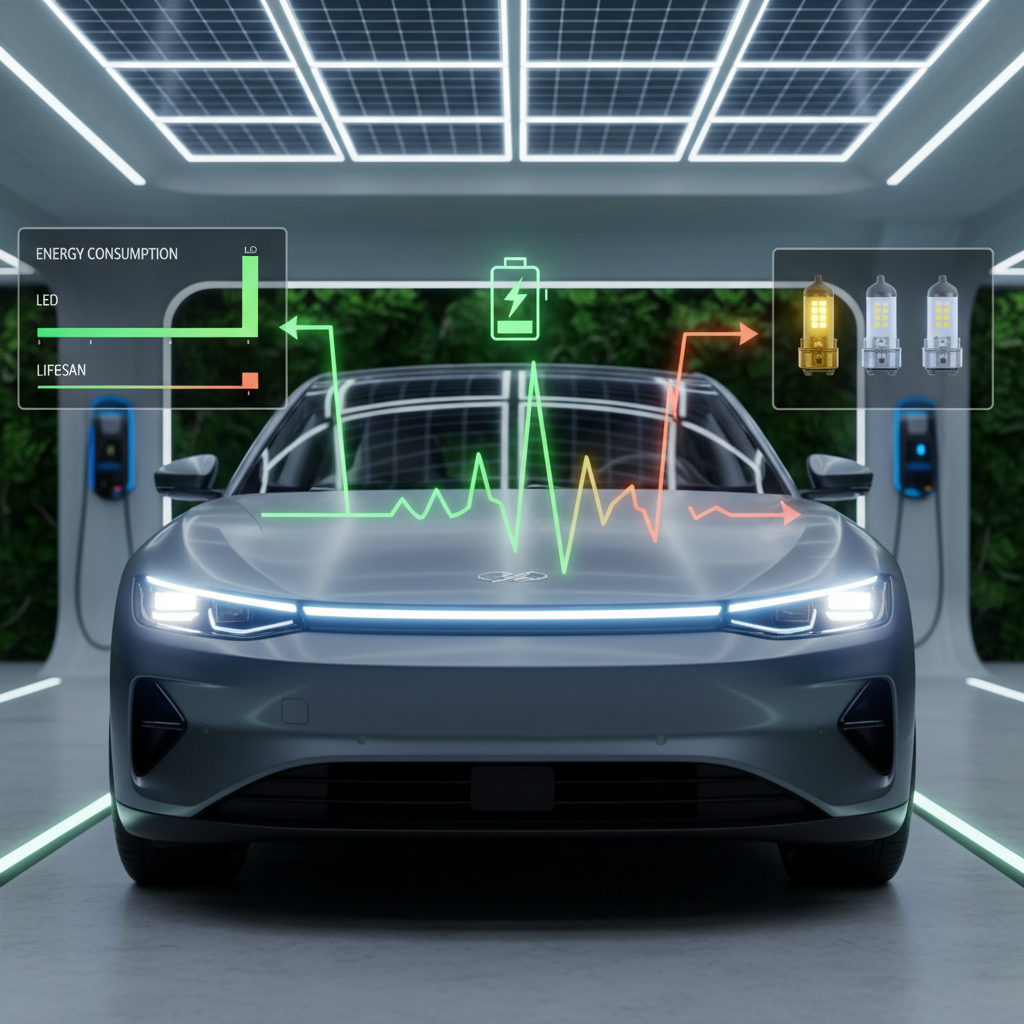
Choosing the right car lights goes beyond aesthetics and visibility; energy efficiency plays a crucial role in modern automotive lighting solutions. According to the U.S. Department of Energy, lighting accounts for approximately 20% of a vehicle's electrical energy consumption. With advancements in LED technology, the automotive industry has shifted towards more energy-efficient lighting options that not only enhance visibility but also reduce the overall energy footprint of vehicles. Reports indicate that LED lights can use up to 75% less energy than traditional halogen bulbs and last up to 25 times longer, significantly lowering both energy usage and the frequency of replacements.
Moreover, integrating energy-efficient lighting solutions can lead to substantial savings in both operational costs and maintenance. A study by the National Renewable Energy Laboratory highlights that vehicles equipped with LED lighting systems can save an average of $50 per vehicle annually due to reduced energy consumption. This energy efficiency not only contributes to improved fuel economy but also aligns with the growing consumer demand for sustainable and environmentally friendly vehicle options. As more automakers prioritize energy efficiency in their designs, choosing the right lighting has never been more impactful for both the consumer and the environment.
Top Brands and Innovations in Car Lighting for 2025: A Guide
As we look ahead to 2025, the landscape of car lighting is evolving rapidly, with brands innovating to enhance safety, efficiency, and aesthetics. Leading manufacturers like Philips, Hella, and Osram are at the forefront of these advancements, offering products that integrate cutting-edge LED technology. This shift towards LED lights not only provides brighter illumination but also significantly reduces energy consumption compared to traditional halogen bulbs.
In addition to aesthetics, advancements in smart lighting technologies are making waves in the automotive industry. Companies are now developing adaptive lighting systems that adjust brightness and beam patterns based on driving conditions, enhancing visibility during nighttime driving and inclement weather. Furthermore, the use of dynamic turn signals and ambient lighting is becoming increasingly popular, allowing drivers to express their personal styles while improving road safety. These innovations are indicative of a future where car lighting plays a crucial role in both functionality and design.