Top 10 Essential Lighting Tips for Creating Stunning Spaces at Home
Creating an inviting and aesthetically pleasing home environment hinges on many factors, with lighting being a fundamental element that can drastically transform any space. Whether you are looking to enhance the ambiance of a cozy living room or brighten up a functional kitchen, understanding the principles of effective lighting is crucial. This guide, "Top 10 Essential Lighting Tips for Creating Stunning Spaces at Home," will enlighten you on how to utilize light to its fullest potential, making your home not only more beautiful but also more functional.
The right lighting can highlight your home's architectural features, define spaces, and set the mood for various activities, from relaxation to entertainment. As you explore these essential lighting tips, consider the insights provided by expert lighting sites that showcase innovative techniques and ideas. By incorporating these strategies, you can achieve a harmonious blend of natural and artificial light, ensuring that each room reflects your unique style while being perfectly lit for any occasion. Transforming your home into a stunning space is just a few lighting adjustments away!
Understanding the Importance of Lighting in Home Design
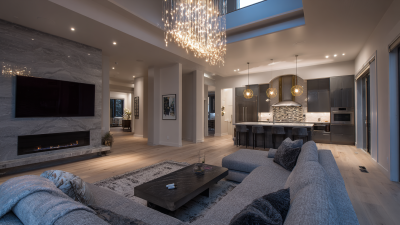
Lighting is a fundamental aspect of home design that profoundly influences both aesthetics and functionality. It sets the mood and ambiance of a space, transforming the atmosphere from bright and inviting to warm and cozy, or even dramatic and sophisticated. Understanding how different types of lighting—ambient, task, and accent—can be effectively combined allows homeowners to create environments that enhance their lifestyle and meet various needs throughout the day.
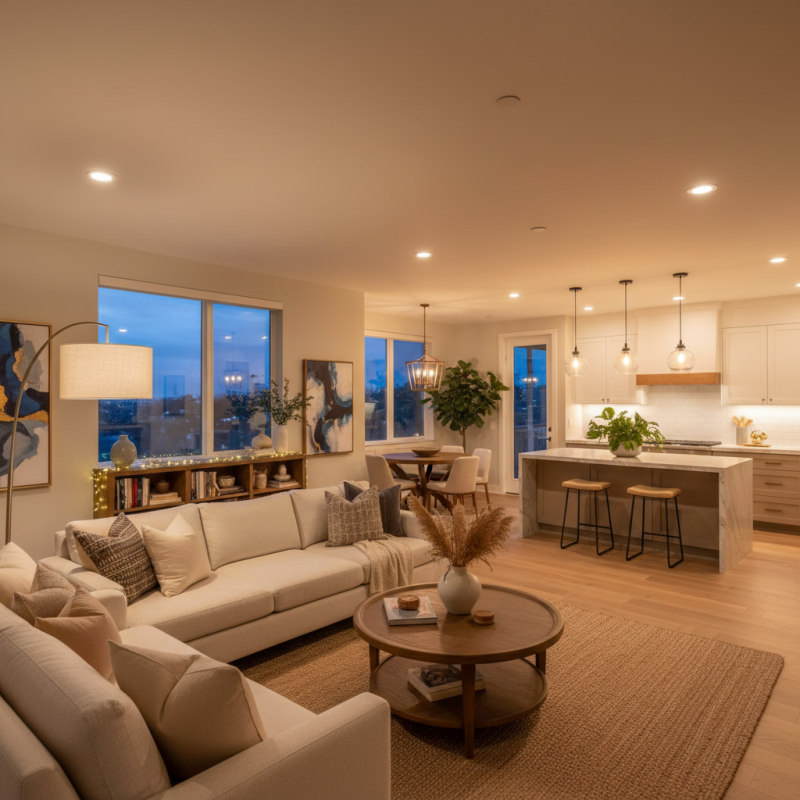
Moreover, the strategic placement of lighting fixtures can help define spaces within an open floor plan, drawing attention to key areas while also providing practical illumination. Natural light should also be considered in this equation; maximizing daylight not only improves energy efficiency but also contributes positively to mood and well-being. Thoughtful lighting design can elevate a room's style and ensure that every corner of the home feels both functional and visually appealing, making it an essential element in the pursuit of stunning interior spaces.
Types of Lighting: Ambient, Task, and Accent Explained
When it comes to illuminating a space, understanding the three primary types of lighting—ambient, task, and accent—is essential for creating a harmonious environment. Ambient lighting serves as the foundation of your room's illumination. This type encompasses the general light that fills a space, ensuring that it is bright enough to navigate comfortably. Common sources of ambient lighting include ceiling fixtures, chandeliers, or wall-mounted sconces. The goal is to establish a consistent level of brightness throughout the room, setting the stage for other layers of light.
Task lighting complements ambient lighting by providing focused light in specific areas where tasks are performed. This type of lighting is particularly important in spaces like kitchens, offices, and reading nooks where precision is needed. Examples include desk lamps, under-cabinet lighting in kitchens, or directed spotlights over workstations. Task lighting not only enhances visibility but also reduces eye strain, allowing for a safer and more efficient working environment.
Accent lighting adds a dramatic flair by highlighting specific features within your home, such as artwork, architectural details, or plants. This type of lighting creates focal points and can infuse personality into a space, using sources like track lights, wall-mounted picture lights, or decorative table lamps. Incorporating accent lighting helps to draw attention and adds depth to your overall design scheme, making the environment more visually engaging.
Choosing the Right Bulbs: Color Temperature and Brightness Considerations
Choosing the right bulbs is crucial in establishing the desired ambiance within your home. When considering color temperature, understanding the Kelvin scale can significantly impact the mood of your space. Warmer tones, typically around 2700K to 3000K, create a cozy and inviting atmosphere, making them ideal for living rooms and bedrooms. In contrast, cooler temperatures, ranging from 4000K to 5000K, deliver a more energizing and alert environment, perfect for working spaces like home offices or kitchens.
Brightness, measured in lumens, also plays a vital role in your lighting choices. A well-lit room should have balanced brightness for optimal functionality while preserving comfort and aesthetic appeal. For instance, softer lighting works well for areas designated for relaxation, while brighter lamps in task-oriented spaces are essential for activities requiring focus. It’s important to layer your lighting by combining ambient, task, and accent lights to create depth and versatility that enhances your home's overall design. By carefully selecting the right bulbs, you can transform your living areas into stunning, inviting spaces tailored to your lifestyle.
Top 10 Essential Lighting Tips for Creating Stunning Spaces at Home
| Tip |
Color Temperature (K) |
Brightness (Lumens) |
Best Use |
| Choose the Right Color Temperature |
2700K - 3000K |
800 - 1600 L |
Living Rooms |
| Use Dimmers |
Any |
Variable |
Bedrooms |
| Layer Your Lighting |
3000K - 4000K |
600 - 1200 L |
All Areas |
| Choose the Right Fixtures |
Any |
Variable |
Task Areas |
| Consider Light Bulb Types |
3000K |
800 L |
Kitchens |
| Consider the Purpose of Each Space |
4000K |
1000 L |
Bathrooms |
| Highlight Architectural Features |
3000K |
500 - 1000 L |
Living Areas |
| Use Natural Light Effectively |
5000K+ |
Variable |
All Rooms |
| Think About the Mood You Want to Create |
Varies |
Varies |
Dining Areas |
| Test Before You Commit |
Any |
Variable |
All Spaces |
Layering Light: Techniques to Create Depth and Interest
Layering light is a fundamental technique in interior design that can transform a space into a warm and inviting environment. Understanding the three main types of lighting—ambient, task, and accent—is crucial for creating depth and interest. Ambient lighting provides the overall illumination of a room, while task lighting focuses on specific areas where activities are performed, such as reading or cooking. Accent lighting, on the other hand, highlights particular features, such as artwork or architectural details. By combining these three elements, you can achieve a well-lit space that feels both functional and aesthetically pleasing.
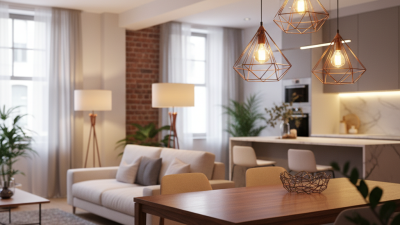
To create a harmonious balance, it’s important to consider the placement and intensity of each light source. For instance, layering different light sources at varying heights can enhance the room's dynamics. Consider using floor lamps, pendants, and wall sconces in your design to create an engaging visual flow. Additionally, dimmer switches are an excellent way to manipulate the mood of a space, allowing you to adjust the light levels based on the time of day or occasion. By thoughtfully layering light, you not only enhance the practicality of a room but also invite a sense of warmth and character, making your home feel truly inviting.
Tips for Positioning Fixtures to Enhance Space and Functionality
When positioning lighting fixtures in your home, the goal is to blend aesthetics with functionality. Start by assessing the room's layout and identifying key areas that require illumination. For living spaces, consider placing fixtures at varying heights to create visual interest.
Floor lamps can brighten corners, while pendant lights over coffee tables can provide defined lighting for tasks and gatherings. In bedrooms, bedside lamps should be positioned at a height that creates a warm, inviting glow without being overpowering, ensuring they serve as both decorative accents and practical light sources.
In addition, consider the functionality of each space when positioning your lighting. In kitchens, under-cabinet lighting is essential for both safety and efficiency, illuminating workspaces without casting harsh shadows. In home offices, a desk lamp with adjustable brightness allows for a customizable environment, enhancing focus and reducing eye strain. Remember to layer your lighting; using ambient, task, and accent lighting together will not only enhance the overall aesthetics but also ensure that each area of your home feels both inviting and purposeful.