Why Automotive Lighting Products Are Essential for Vehicle Safety?
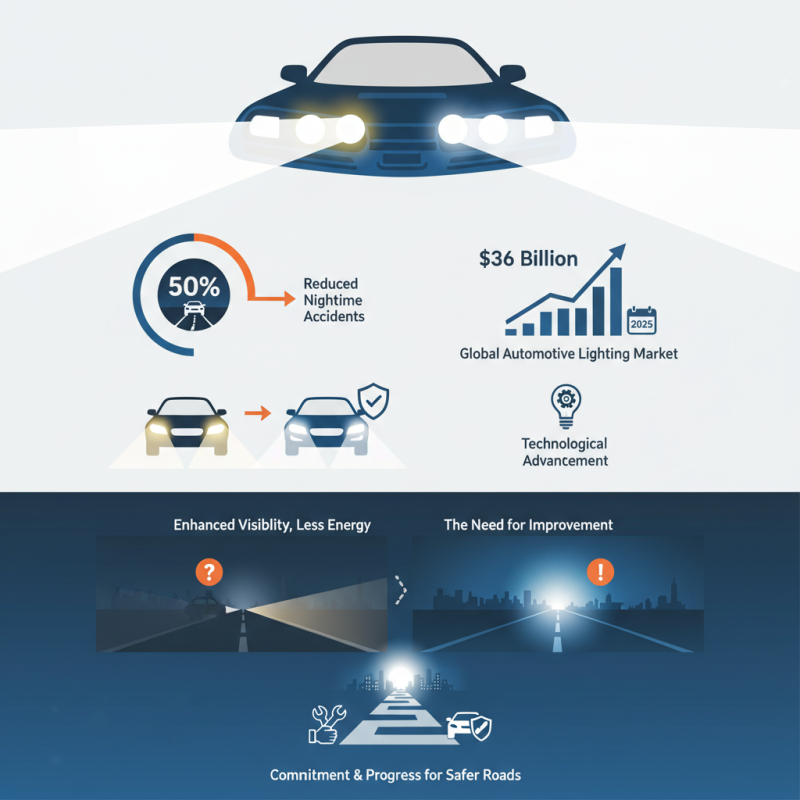
Automotive lighting products play a vital role in vehicle safety. According to the National Highway Traffic Safety Administration (NHTSA), proper lighting equipment can reduce nighttime accidents by up to 50%. Inadequate visibility is a significant cause of crashes. Adapting to changing weather and light conditions becomes crucial for drivers.
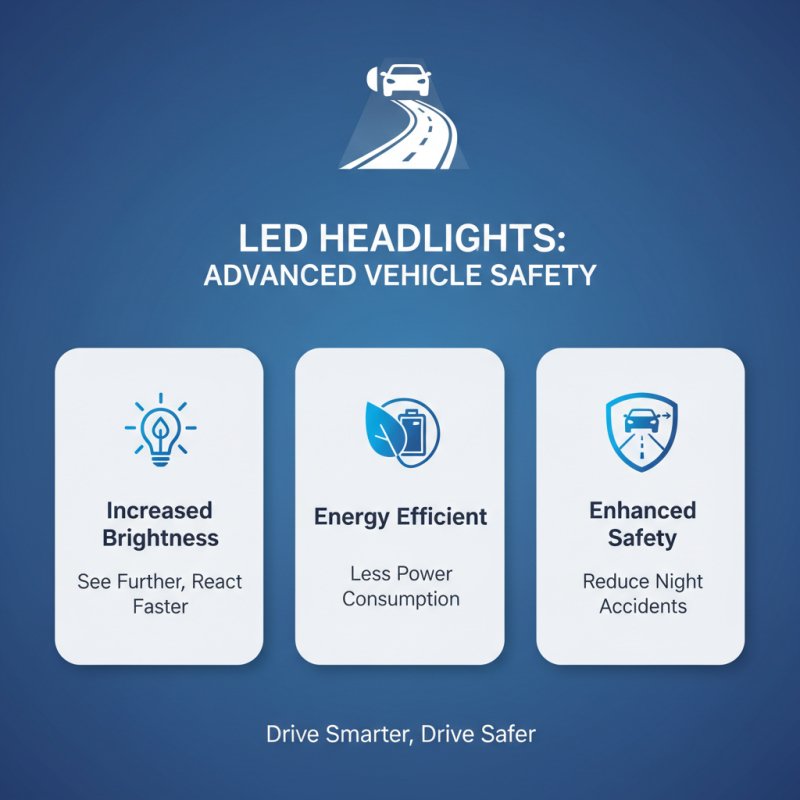
Moreover, the global automotive lighting market is expected to reach $36 billion by 2025, emphasizing the importance of technological advancement in this sector. Advanced lighting solutions, such as LED headlights, enhance visibility while consuming less energy. Despite these innovations, some vehicles still lack updated lighting features, leading to safety concerns. The gap in adopting adequate lighting systems calls for reflection and improvement.
Mistakes can happen. Some drivers underestimate the importance of proper lighting, leading to serious consequences. With an increased focus on safety, the automotive industry must prioritize the development and implementation of state-of-the-art automotive lighting products. The path to safer roads is illuminated by commitment and progress in this area.
The Role of Automotive Lighting in Enhancing Road Visibility
Automotive lighting plays a vital role in road safety. Proper illumination helps drivers see their surroundings clearly, especially at night or in adverse weather. Headlights, taillights, and turn signals ensure that vehicles communicate their intentions to others. This visibility is crucial for preventing accidents.
Consider how often people ignore dim or malfunctioning lights. A poorly lit road can lead to misjudgments, especially for speeding vehicles. Fog lights, for example, help in low visibility conditions, allowing drivers to navigate safely. Yet, not all drivers realize their importance until it’s too late.
The challenge lies in consistent maintenance. Many overlook basic checks on their vehicle's lights. Routine inspection could save lives. Encouraging awareness about the significance of automotive lighting can dramatically enhance safety on the roads.
Importance of Automotive Lighting for Vehicle Safety
The chart above illustrates the safety impact ratings of various automotive lighting products essential for vehicle safety. Headlights and brake lights are rated the highest, underscoring their critical role in enhancing road visibility and preventing accidents.
Types of Automotive Lighting: Headlights, Taillights, and Turn Signals
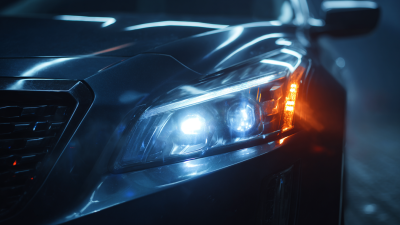
Automotive lighting plays a crucial role in vehicle safety. Headlights illuminate the road ahead, allowing drivers to see clearly at night or during poor weather. Properly functioning headlights are essential for avoiding hazards on the road. A blown bulb can severely limit visibility. Regular checks on your headlights can save lives.
Taillights, often overlooked, provide vital information to drivers behind you. They signal when a vehicle is slowing down or stopping. Faulty taillights can lead to rear-end collisions. Ensuring your taillights are bright and functioning properly is a key safety measure. Pay attention, as even a small crack can cause them to dim.
Turn signals communicate your intentions to other drivers. They help prevent accidents during lane changes or turns. Many drivers forget to use them. Neglecting this simple yet effective tool can lead to misunderstandings on the road. Make it a habit to signal well in advance.
Tips: Always check your lights before long trips. A quick inspection can help you avoid trouble. Replace any burnt-out bulbs immediately. Bright lights contribute to overall safety.
Regulatory Standards for Automotive Lighting and Safety Compliance
Automotive lighting is critical for vehicle safety. Regulatory standards govern the performance and design of these lighting products. These standards ensure maximum visibility and minimum glare. Compliance with these regulations is non-negotiable for vehicle manufacturers. Inadequate lighting can lead to accidents, making compliance essential for all vehicle types.
The primary regulations include brightness levels, color specifications, and placement of lights. These factors determine how well a vehicle can be seen in different conditions. For instance, headlights must be bright enough to illuminate the road ahead. They should not cause discomfort to oncoming drivers. Manufacturers need to conduct tests to meet these standards.
Tips: Always check your vehicle's lights regularly. Replace any bulbs that are dim or flickering. Keep lenses clean for optimal performance. Additionally, consider the type of driving you do. Different conditions may require specific lighting enhancements. Reflect on how you interact with other drivers. The right lighting can prevent dangerous situations.
Why Automotive Lighting Products Are Essential for Vehicle Safety?
| Lighting Type |
Purpose |
Regulatory Standard |
Safety Compliance Impact |
| Headlights |
Illumination of the road ahead |
FMVSS 108 |
Critical for nighttime driving safety |
| Taillights |
Visibility when braking or turning |
FMVSS 108 |
Prevents rear-end collisions |
| Turn Signals |
Indicates direction change |
FMVSS 108 |
Essential for preventing accidents during lane changes |
| Fog Lights |
Improved visibility in foggy conditions |
FMVSS 108 |
Enhances safety in poor weather visibility |
| Daytime Running Lights |
Increases vehicle visibility during the day |
FMVSS 108 |
Reduces the risk of daytime accidents |
Impact of Advanced Lighting Technology on Vehicle Safety
Advanced lighting technology plays a crucial role in vehicle safety. Modern vehicles are equipped with LED headlights, which are brighter and more energy-efficient. They improve visibility on dark roads significantly. Drivers can see potential hazards early and react in time. This technology reduces the likelihood of accidents, especially during night driving.
However, there are challenges associated with advanced lighting. Some drivers may still ignore the importance of proper use. For instance, leaving high beams on can blind oncoming traffic. Additionally, lighting systems require regular maintenance. If neglected, they can malfunction, compromising safety. This highlights the need for driver awareness and ongoing education about proper lighting usage.
Innovations like adaptive headlights are game-changers. They adjust the light beam based on the vehicle's speed and steering. This enhances cornering visibility. Yet, not all drivers understand how to use these features effectively. Some might rely too much on technology, assuming it will always compensate for human error. Continuous reflection on the balance between relying on advanced lighting and practicing safe driving habits is essential.
Common Challenges and Solutions in Automotive Lighting Design and Maintenance
Automotive lighting is crucial for vehicle safety. However, designs often face common challenges. A frequent issue is inadequate illumination. Poorly designed headlights can lead to reduced visibility. This compromises driver safety, especially at night or in bad weather.
Another challenge lies in maintaining the lighting system. Over time, bulbs can dim or fail. Regular maintenance is often overlooked. This negligence can result in hazardous driving conditions. Ensuring lights are bright and functional is essential.
Lastly, integrating advanced technology can complicate designs. Smart lighting systems offer benefits but can be difficult to implement. Engineers must balance innovation with practicality. Creating effective solutions requires collaboration and continuous improvement efforts.