How to Effectively Use UVB Light for Health and Skin Benefits
Ultraviolet B (UVB) light is a vital component of sunlight that plays an essential role in promoting health and enhancing skin benefits. While excessive exposure to UVB light can lead to harmful effects, when utilized correctly, it can be an effective tool for various therapeutic applications, including the treatment of certain skin conditions and the improvement of overall skin health. This article aims to explore the effective use of UVB light, outlining its benefits and providing safe practices for its application.
Understanding the mechanisms of UVB light reveals its capacity to stimulate the production of vitamin D in the skin, an essential nutrient for overall well-being. Additionally, UVB light is known to help treat conditions like psoriasis, eczema, and vitiligo by reducing inflammation and promoting healing. However, this powerful light source should be approached with care. By adopting proper guidelines for exposure times and protective measures, individuals can enjoy the numerous health benefits associated with UVB light while minimizing risks. This comprehensive guide will equip readers with the knowledge they need to effectively harness the advantages of UVB light for their health and skin.
Understanding UVB Light and Its Health Benefits
Ultraviolet B (UVB) light, a component of sunlight, plays a crucial role in human health, particularly in the synthesis of vitamin D, which is vital for bone health and immune function. According to a report by the Vitamin D Council, up to 90% of vitamin D is produced through skin exposure to sunlight, predominantly UVB rays. This form of light also contributes to the prevention of certain diseases, as adequate vitamin D levels have been correlated with a reduced risk of chronic conditions such as osteoporosis, cardiovascular diseases, and autoimmune disorders.
In addition to its role in vitamin D production, UVB light has been shown to provide therapeutic benefits for skin conditions like psoriasis and eczema. A study published in the Journal of the American Academy of Dermatology found that targeted UVB phototherapy significantly improves symptoms in patients with psoriasis, with approximately 80% of individuals responding favorably after treatment. Furthermore, regulated UVB exposure can aid in the promotion of skin health by helping to reduce inflammation and improving skin barrier function, which is essential for overall dermatological wellness.
The Role of UVB Light in Vitamin D Synthesis
UVB light plays a critical role in the synthesis of vitamin D, an essential nutrient for maintaining overall health. When skin is exposed to UVB rays, it triggers the conversion of 7-dehydrocholesterol, a compound found in the skin, into vitamin D3. This process is vital as vitamin D contributes to various bodily functions, including calcium absorption, immune function, and bone health. For those seeking to optimize their vitamin D levels, understanding how to effectively utilize UVB light is crucial.
To harness the benefits of UVB light safely, individuals can spend time outdoors during peak sunlight hours, typically between 10 a.m. and 3 p.m., when UVB rays are most intense. It is generally recommended to expose large areas of skin without sunscreen for a short duration, enough to produce a sufficient amount of vitamin D without increasing the risk of skin damage. However, it is important to balance sun exposure to minimize the potential for harmful effects, such as sunburn or skin cancer. For those living in regions with limited sunlight, alternative methods such as UVB lamps designed specifically for vitamin D synthesis can be considered under professional guidance.
Safe Exposure Guidelines for UVB Light
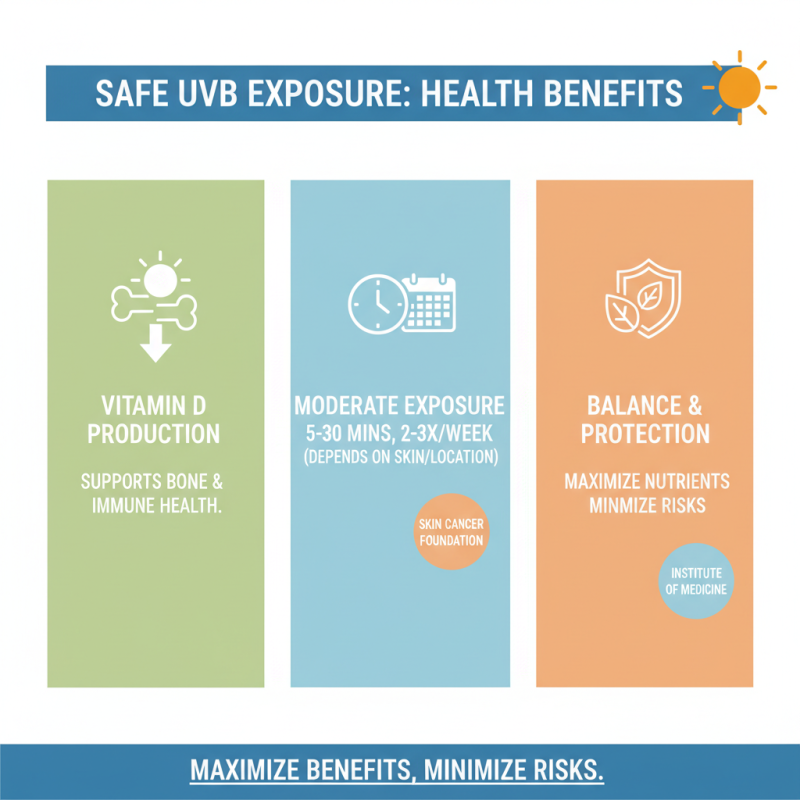
When utilizing UVB light for health and skin benefits, adhering to safe exposure guidelines is crucial to maximize benefits while minimizing risks. Research indicates that UVB exposure promotes the production of vitamin D, essential for bone health and immune function. The Skin Cancer Foundation suggests that moderate UVB exposure—approximately 5 to 30 minutes two to three times a week, depending on skin type and geographic location—can help maintain adequate vitamin D levels. This aligns with findings from the Institute of Medicine, which emphasizes the importance of careful sun exposure to balance nutrient synthesis and skin protection.
However, it is vital to respect individual susceptibility to UVB damage. The American Academy of Dermatology recommends using protective measures, such as sunscreen or protective clothing, especially during peak sunlight hours (10 a.m. to 4 p.m.). Individuals with lighter skin tones should limit exposure, as they are at a higher risk for sunburn and long-term skin damage. Regular skin checks and awareness of the UV index can further help individuals gauge safe exposure levels. Following these guidelines allows for the beneficial effects of UVB light while safeguarding against potential harmful consequences, supporting both skin health and overall wellness.
Potential Risks and Precautions When Using UVB Light
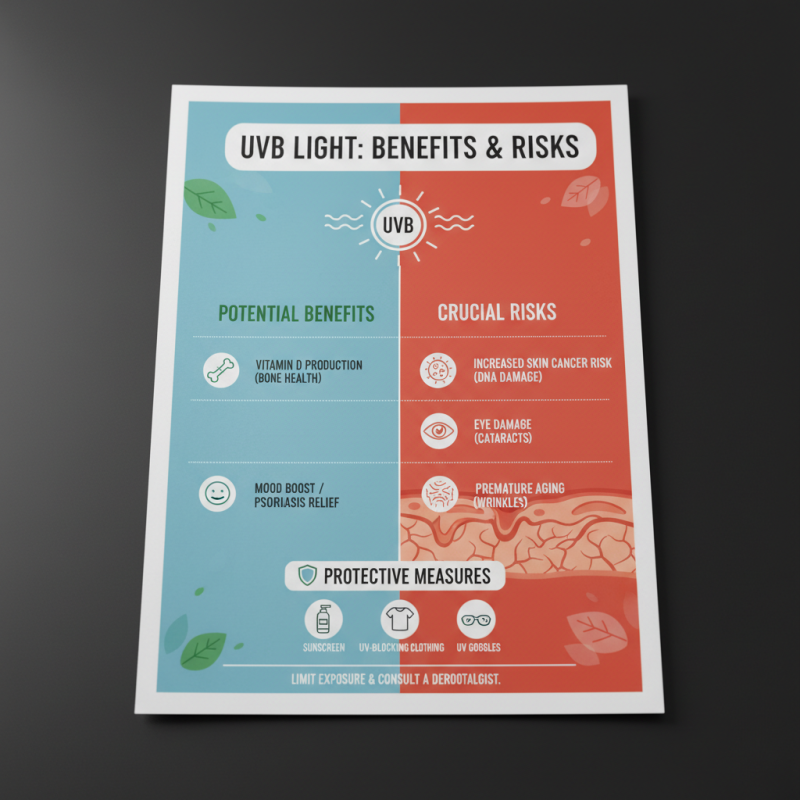
When considering the use of UVB light for health and skin benefits, it is crucial to be aware of the potential risks involved. One of the primary concerns is the increased risk of skin cancer with excessive exposure to UVB radiation. Over time, this can lead to DNA damage in skin cells, resulting in mutations that may pave the way for malignancies. Therefore, it’s important to limit exposure and use protective measures such as sunscreen and UV-blocking clothing during sessions that involve UVB light.
In addition to the risk of skin cancer, UVB exposure can cause other skin-related issues, such as premature aging and sunburn. Individuals may experience skin irritation or inflammation if they are not properly prepared for UVB treatments. Furthermore, those with pre-existing skin conditions or sensitivities should exercise caution and consult a healthcare professional before utilizing UVB light therapy. Proper guidelines and precautions can help mitigate these risks and ensure a safer experience while reaping the potential health benefits of UVB light. Monitoring exposure time and adhering to recommended safety protocols is essential for protecting skin health.
Techniques for Incorporating UVB Light into Daily Routine
Incorporating UVB light into your daily routine can have significant health and skin benefits, particularly in managing conditions like psoriasis or vitamin D deficiency. Start by allocating a fixed time each week to enjoy UVB exposure, which can be achieved through natural sunlight or specialized UVB lamps. Aiming for around 10 to 30 minutes of exposure, depending on your skin type and the time of year, can help increase vitamin D levels and improve skin health. Remember to focus on areas of your body that need the most attention, such as patches affected by skin conditions.
To maximize the benefits while minimizing risks, it is essential to practice safe exposure. Always begin with shorter durations and gradually increase as your skin builds tolerance. You might also consider blocking out specific areas with sunscreen or clothing if you wish to target only certain skin areas. Moreover, create a routine by incorporating UVB exposure into your weekly schedule, whether it’s during a relaxing outdoor activity or integrated into your exercise sessions. Keeping a consistent exposure regimen will enhance the body’s adaptability to UVB light, ensuring you reap the desired benefits effectively.
Effects of UVB Light on Skin Health