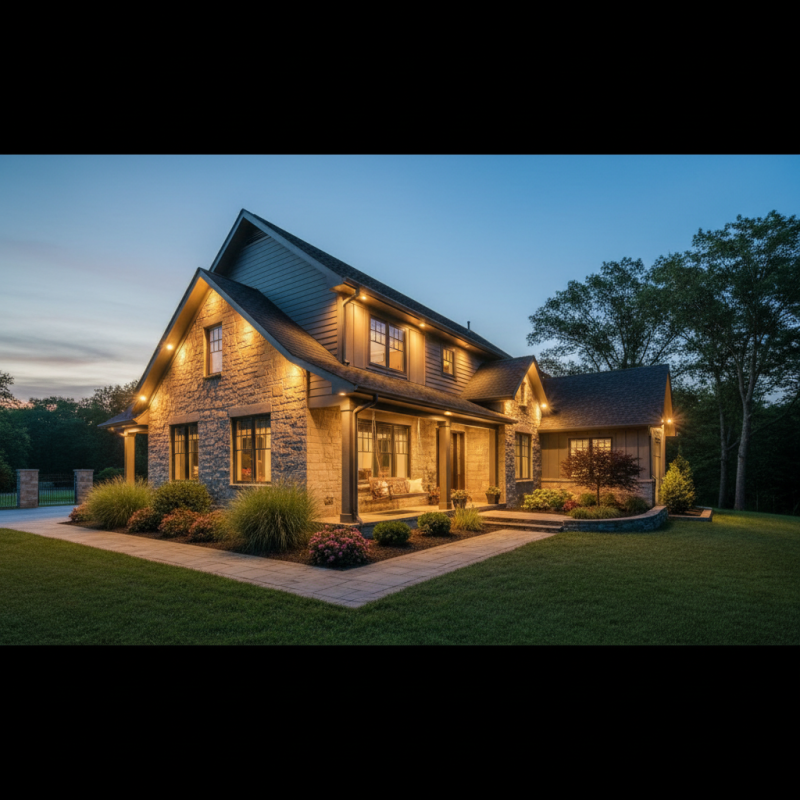
What is Eave Lighting and How Does It Enhance Your Home?
Eave Lighting is an often-overlooked aspect of home design. This feature not only provides illumination but also enhances curb appeal. By installing lights under the eaves, homeowners can create an inviting atmosphere.
Eave lighting transforms ordinary homes. It highlights architectural features and provides visibility at night. Imagine a beautifully lit porch, where shadows dance against the walls. Such details add character and charm. Yet, choosing the right fixtures can be daunting. Many people struggle to find the perfect balance between style and functionality.
Furthermore, eave lighting can improve safety. Well-lit pathways reduce accidents and deter unwelcome visitors. However, improper placement may lead to glare or dark spots. Homeowners must carefully consider their options. Eave lighting can significantly impact the overall aesthetic of a home. Yet, it also requires thoughtful planning and design.
What is Eave Lighting and Its Purpose in Home Design
Eave lighting plays a significant role in home design. It serves both aesthetic and functional purposes. Proper eave lighting can enhance the character of any home. According to the National Association of Home Builders, effective outdoor lighting increases property value by up to 10%. This makes it a worthy investment for homeowners.
One major purpose of eave lighting is safety. Well-lit eaves illuminate pathways and driveways, reducing the risk of accidents. Additionally, it helps deter intruders. A study from the Urban Institute found that homes with adequate lighting are less likely to experience break-ins. Installing lights under eaves creates a welcoming atmosphere while enhancing security.
Tips: Choose LED fixtures for energy efficiency. They consume 75% less energy than traditional bulbs. Also, consider motion sensors to save costs. These features provide light only when needed. Adjusting the brightness can create different moods. Experiment with colored lights for a unique touch. Just remember, too much light can wash out key architectural details. Balance is essential.
Types of Eave Lighting: Styles and Fixtures Available
Eave lighting plays a significant role in illuminating the exterior of your home. It enhances aesthetic appeal and safety. Various styles of eave lighting cater to different tastes. Popular fixtures include LED strip lights, wall sconces, and pendant lights. Each offers unique design possibilities.
LED strip lights are versatile and energy-efficient. They can be installed easily along eaves, creating a modern look. According to the U.S. Department of Energy, LEDs can save homeowners up to 75% on energy costs. Wall sconces add charm, allowing for focused lighting. They come in many designs, from classic to contemporary. Pendant lights provide a striking effect, perfect for homes with high eaves.
Tips for choosing eave lighting include considering the architectural style of your home. Match the fixture with your design for a cohesive look. Also, think about the bulb type. Soft white gives a warm glow, while daylight bulbs offer a brighter option. Remember, too much light can glare. Finding balance is key.
Lastly, installation can be tricky. Ensure fixtures are placed at the right height for optimal illumination. Incorrect placement may lead to uneven lighting, making outdoor spaces feel uninviting. It’s worth reflecting on how these fixtures impact your overall environment.
Benefits of Eave Lighting for Home Aesthetics and Security
Eave lighting is a brilliant way to enhance your home's aesthetics and security. By illuminating the eaves, you create a warm, inviting atmosphere. Soft light highlights architectural features, making your home stand out at night. Consider subtle fixtures that blend with your home’s design. They shouldn’t overpower your home’s natural charm.
This type of lighting also improves safety. Proper illumination along eaves helps deter intruders. It makes pathways visible, reducing the risk of accidents. Lights can guide guests to your door, ensuring they feel secure. However, it’s essential to position them wisely. Overly bright lights might create harsh glare, while too dim lights may fail to provide adequate visibility.
Additionally, eave lighting can highlight seasonal décor. During the holidays, it offers a canvas for creative expressions. Yet, it’s easy to go overboard. Balance is key in maintaining elegance. Reflect on how much light your space truly needs. Sometimes, less is more when enhancing your home's security and beauty.
Installation Considerations for Eave Lighting: Tips and Best Practices
Eave lighting can transform the exterior of your home. However, installation requires careful planning. Start by assessing your eaves for the best spots to place lights. Avoid overloading circuits. Consider how the lights will blend with your architecture. Placement needs to highlight your home’s features without being overwhelmingly bright.
Wiring is another critical factor. Use weather-resistant materials for safety. It’s essential to keep wires hidden but accessible for maintenance. Think about the bulb types too; LED options can save energy while providing brightness. Test the layout before finalizing the position of fixtures. Adjustments might be needed as the installation progresses. Remember, too much light can wash out the beauty of your home. Balance is key.
Maintaining Eave Lighting: Care and Troubleshooting Techniques
Eave lighting adds charm to any home, but it needs regular care. Keeping your eave lights clean is crucial. Dust and debris can dim the brightness. A simple wipe with a soft cloth can restore their shine. Check the bulbs periodically. They may burn out unexpectedly, so keep spares handy.
Sometimes, problems can occur. If a section of your lights flickers, it might be a loose wire. It's vital to check connections at least twice a year. If you're unsure, consider consulting a professional. They can spot issues you might miss.
Weather can also affect your lights. Heavy rain may lead to drainage problems. Ensure that water does not pool around the fixtures. This prevents rust and damage over time. Regular inspections and maintenance can prevent larger repairs later.