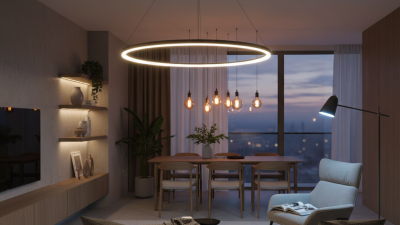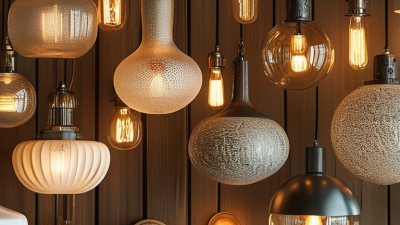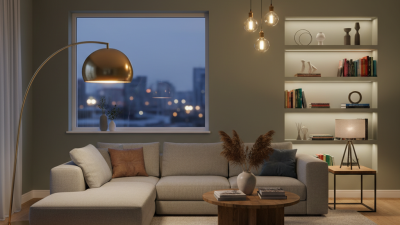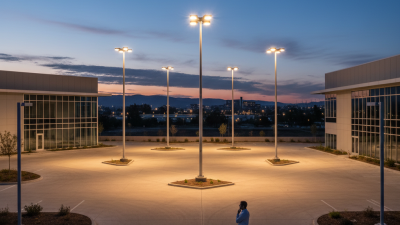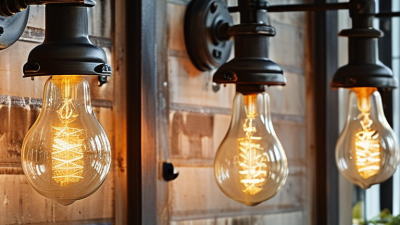


Choosing the right lighting fixtures shapes how a room feels, functions, and ages. A recessed downlight can wash a kitchen counter evenly. A pendant can place a warmer visual focus above a dining table. Wall sconces soften a hallway, while track lighting directs attention toward artwork or retail displays. These differences matter because each fixture controls light distribution, glare, shadow, and visual comfort.
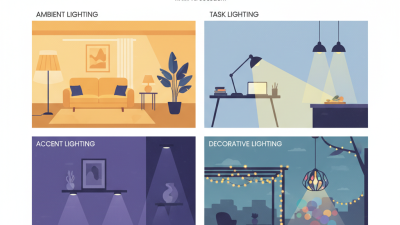
Lighting designer Richard Kelly described light as “the most important element in architecture.” His statement remains useful, although it may sound too absolute. In practice, lighting fixtures work alongside daylight, surface colors, ceiling height, and user habits. Ambient fixtures establish general brightness. Task fixtures support reading, cooking, or grooming. Accent fixtures highlight texture, plants, or architectural details. Decorative fixtures contribute identity, even when their illumination is modest.
Performance deserves equal attention. Check color temperature, color rendering, dimming compatibility, beam angle, and maintenance access before choosing a fitting. A high lumen rating does not guarantee a comfortable room. It can create glare on a polished countertop or harsh shadows under a cabinet. Energy efficiency also matters, but efficiency should not erase atmosphere. That balance is harder than product labels suggest. Sometimes, a beautifully styled fixture performs poorly in the real space. This is an uncomfortable but important lesson. Reliable planning combines manufacturer data, recognized electrical guidance, and on-site testing. The following guide examines major lighting fixtures, their practical uses, and the compromises designers should consider before installation.
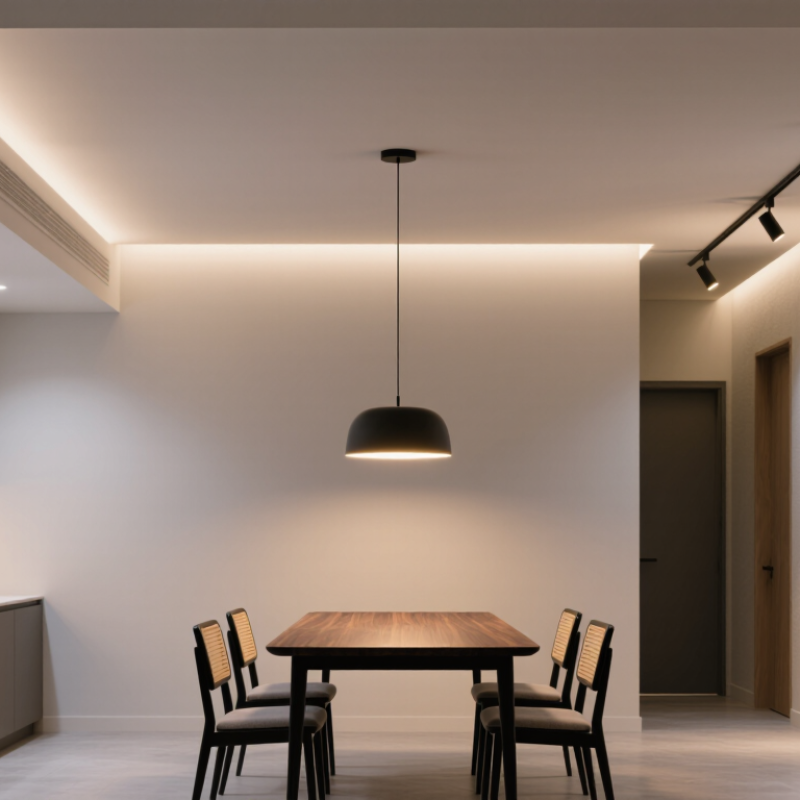
A lighting fixture, or luminaire, is the complete unit that supports, protects, and distributes light from a lamp or LED module. CIE S 017:2020 treats a luminaire as more than a light source. It includes optical, mechanical, and electrical components. This distinction matters during selection and maintenance.
Fixtures are commonly classified by installation method. Ceiling-mounted units include surface, recessed, and suspended fixtures. Wall-mounted units include sconces and adjustable reading lights. Track and rail systems allow directional changes. Portable fixtures include table and floor lamps. Classification also follows light distribution: direct, indirect, semi-direct, or diffuse. A downlight sends most light toward the floor, while an indirect fixture reflects light from the ceiling. Real rooms rarely fit one category perfectly. A narrow beam may highlight artwork but create harsh shadows nearby.
Energy performance adds another professional layer. The International Energy Agency reports that lighting uses about 15% of global electricity. The U.S. Department of Energy states that LED products can use at least 75% less energy than incandescent lighting and last much longer. These figures support efficient choices, but they do not replace field testing. Glare, color quality, ceiling height, and cleaning access can change results.
Tips: Check the mounting surface, beam angle, color temperature, and dimming compatibility together. Photograph the space at night before choosing fixtures. A technically efficient product can still feel uncomfortable. That is worth reconsidering.
| Lighting Fixture Type | Primary Classification | Mounting Method | Light Distribution | Typical Applications | Key Characteristics | Common Light Sources |
|---|---|---|---|---|---|---|
| Recessed Downlight | Ceiling-mounted | Installed into a ceiling cavity | Downward, focused or adjustable | General lighting, kitchens, corridors, offices, retail interiors | Low-profile appearance; can provide ambient, accent, or task lighting depending on the trim and beam angle | LED modules or LED lamps |
| Surface-Mounted Ceiling Light | Ceiling-mounted | Attached directly to the ceiling surface | Broad, diffuse, or semi-direct | Bedrooms, hallways, utility rooms, offices, areas with limited ceiling depth | Suitable where recessed installation is impractical; available in compact and low-profile designs | Integrated LED or replaceable LED lamps |
| Pendant Light | Suspended | Hung from a cord, rod, or chain | Downward, direct, or partially diffused | Dining tables, kitchen islands, reception areas, entrance spaces | Provides focused illumination and can serve as a prominent decorative feature | LED lamps or integrated LED |
| Chandelier | Suspended decorative | Suspended from a ceiling outlet or support structure | Multi-directional and decorative | Dining rooms, foyers, stairwells, hospitality interiors | Uses multiple light points; often combines ambient illumination with visual emphasis | LED lamps, candle-shaped lamps, or integrated LED |
| Track Light | Directional system | Mounted on an electrified ceiling or wall track | Adjustable directional beams | Galleries, shops, kitchens, living rooms, display areas | Individual heads can be aimed at walls, objects, or work surfaces; flexible for changing layouts | LED track heads |
| Wall Sconce | Wall-mounted | Fixed directly to a wall | Upward, downward, outward, or indirect | Bedrooms, bathrooms, corridors, stairways, hospitality spaces | Provides supplementary or decorative lighting while using minimal floor and ceiling space | LED lamps or integrated LED |
| Linear Pendant | Suspended linear | Suspended by cables, rods, or aircraft wire | Long, even direct or indirect distribution | Conference tables, kitchen islands, open-plan offices, dining areas | Designed for elongated spaces; can deliver uniform illumination across a work surface | Integrated LED |
| Under-Cabinet Light | Task lighting | Mounted beneath cabinets or shelving | Short-range, direct downward distribution | Kitchen counters, workbenches, display shelves, study areas | Reduces shadows on work surfaces and is usually compact and energy-efficient | LED strips, LED bars, or small LED modules |
| Cove Light | Indirect lighting | Hidden in a ceiling recess, ledge, or architectural detail | Indirect light reflected from a ceiling or wall | Living rooms, hotels, restaurants, theatres, architectural interiors | Creates soft, low-glare ambient illumination; normally requires a concealed installation space | LED strips or linear LED fixtures |
| Troffer | Recessed or surface linear | Installed in a suspended ceiling grid or mounted on a surface | Broad, uniform downward distribution | Offices, classrooms, hospitals, commercial interiors | Designed for even general illumination over large areas; commonly uses a diffuser or optical lens | Integrated LED or fluorescent lamps |
| High-Bay Light | High-ceiling industrial | Suspended or surface-mounted at high elevations | Wide, narrow, or aisle-focused downward distribution | Warehouses, factories, sports facilities, distribution centers | Designed for high mounting heights and large open areas; optical distribution is selected according to ceiling height and layout | High-output LED or high-intensity discharge lamps |
| Low-Bay Light | Low-ceiling industrial | Surface-mounted or suspended below lower ceilings | Broad or controlled downward distribution | Workshops, garages, small warehouses, service areas | Optimized for lower mounting heights than high-bay fixtures and helps limit excessive glare | LED or fluorescent lamps |
| Floodlight | Outdoor directional | Surface-mounted on walls, poles, brackets, or structures | Wide-area projection | Building facades, yards, loading areas, sports fields, security zones | Projects a broad beam over a large area; outdoor models require suitable weather protection | LED |
| Bollard Light | Low-level outdoor | Fixed vertically to the ground or a paved surface | Horizontal, downward, or shielded distribution | Walkways, gardens, parks, driveways, landscape areas | Provides pathway guidance and low-level illumination while helping reduce direct glare | LED |
| Step Light | Recessed or surface wall-mounted | Installed in a wall, stair riser, or adjacent surface | Low-level downward or forward distribution | Stairways, ramps, walkways, decks, outdoor steps | Improves visibility and helps identify changes in level without producing high-intensity overhead light | LED |
| Emergency Light | Safety lighting | Wall-mounted or ceiling-mounted | Focused or broad illumination for escape routes | Exit paths, stairwells, public buildings, workplaces, commercial facilities | Operates from a backup power source when normal power fails; installation and performance requirements vary by local regulations | LED with rechargeable battery backup |
Lighting fixtures are commonly classified by mounting method, light distribution, intended application, and the type of light source they use.