How to Create an Engaging Lighting Website for Your Business?
Creating an engaging lighting website is essential in today’s digital market. In 2022, the global lighting market reached over $110 billion, illustrating significant growth. As more consumers turn to online platforms, your website becomes a critical touchpoint. According to Sarah Johnson, a lighting design expert, "An inviting lighting website can guide customers through their buying journey."
Navigating the complexities of a lighting website requires an understanding of design and user experience. Many businesses overlook essential features like clear navigation or compelling visuals. Data shows that users form an opinion about a website within 0.05 seconds. This underlines the need for immediate impact. Bright, high-quality images of your products can make a substantial difference.
It’s crucial to consider that not all websites are successful. Failure to integrate essential elements like mobile optimization can lead to lost opportunities. Continuing to refine your lighting website is vital in maintaining competitiveness. A well-executed website effectively showcases your offerings while fostering engagement with your brand.
Understanding the Basics of Website Design for Lighting Businesses
Creating an engaging lighting website demands a strong grasp of design principles. Start by choosing a clean layout that reflects your brand identity. Use plenty of white space to allow visual elements to breathe.
Photos should be high-quality and showcase your products effectively. Each image should capture the essence of lighting design, emphasizing colors and textures. Implementing a grid system can keep content organized.
Typography matters. Select fonts that are easy to read and professional. Don't overdo it with too many styles; consistency is key. You can experiment with font sizes to create a hierarchy of information. For instance, headings could be bold and larger, while body text should remain simpler.
Remember, user experience is crucial. Simplify navigation for your visitors. Clear menus and large buttons facilitate this. But, be cautious not to clutter the space. Too many options can confuse potential customers. It’s essential to regularly review your site's performance. What works? What doesn’t? Recognizing areas for improvement is valuable. Engaging design should evolve, adapting to trends and customer preferences.
Choosing the Right Platform for Your Lighting Website
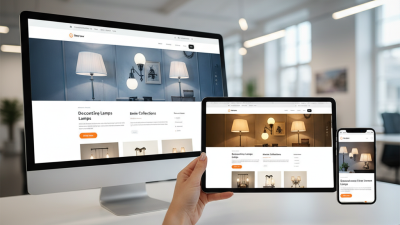
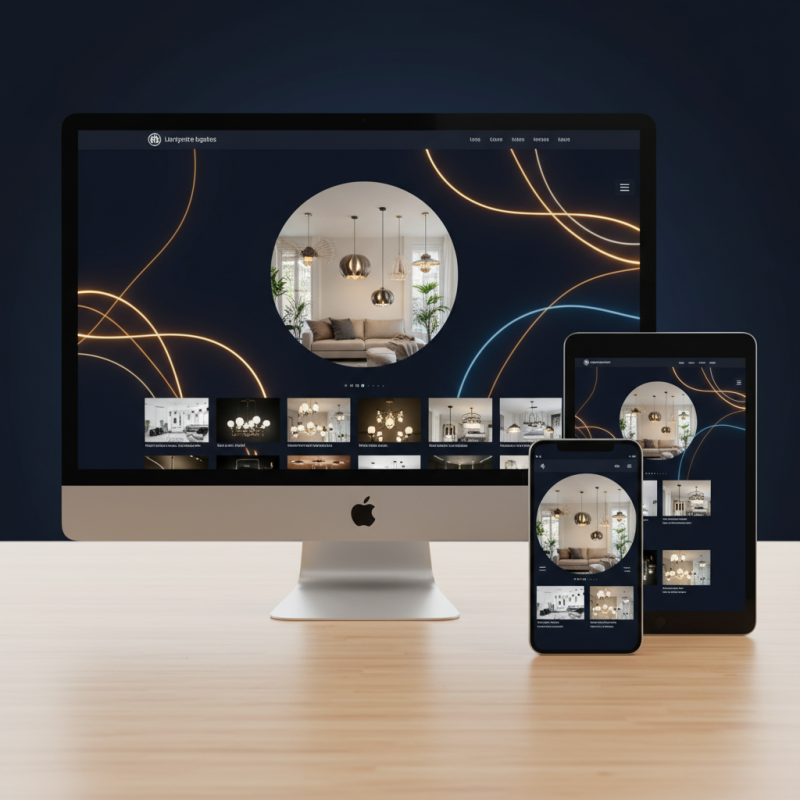
Choosing the right platform for your lighting website is crucial. A strong platform makes your site user-friendly. Consider a platform that offers customizable templates that reflect your lighting brand. Look for options that provide mobile responsiveness. Many users browse on mobile devices. If your site isn’t mobile-friendly, you will lose potential customers.
When selecting a platform, think about your specific needs. Do you want an online store? Ensure the platform supports e-commerce features. Research platforms that enable easy product uploads. Easy navigation is key. Users should find what they're looking for within a few clicks. Some platforms might feel overwhelming and difficult to use. Test a few before committing.
Tips: Analyze your competitors' websites. Check what platforms they use. Learn from their designs and functionality. Identify what works and what doesn’t. Gather feedback from potential users. They can offer insights on usability. Early feedback may save you future headaches. Each decision shapes your brand’s online presence.
Essential Features to Include in Your Lighting Website
Creating a compelling lighting website involves integrating essential features that enhance user engagement. Start with a clean, intuitive layout. Users should navigate easily without confusion. High-quality images of your lighting products can make a significant impact. Ensure each photo showcases the product in real-life settings. Consider adding a 360-degree view feature. It adds depth and helps customers envision how the product fits into their spaces.
Next, effective filtering options are crucial. Customers often seek specific styles or types of lighting. Organize your products by categories such as outdoor, indoor, modern, and vintage. This organization improves the shopping experience. Furthermore, incorporating a blog section can provide valuable content. Share lighting tips, trends, and DIY projects. It invites repeat visits. However, maintaining an active blog requires consistent effort.
Lastly, which could be overlooked, is customer feedback. Include a review system on your products. It builds trust and offers insights into user experiences. But remember, not all feedback will be positive. Engage with negative reviews constructively. This openness fosters a community around your brand. Creating a space where customers feel they can voice opinions is essential for growth.
Website Performance Metrics for Lighting Business
Creating Compelling Visuals to Showcase Your Lighting Products
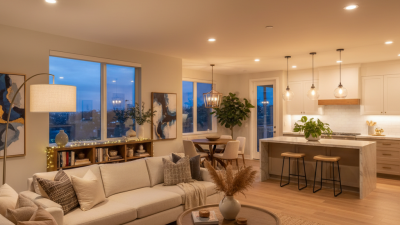
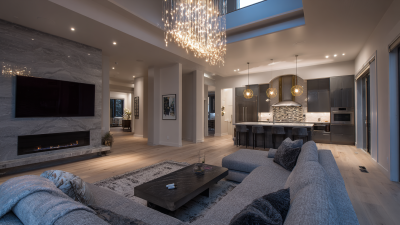
Creating compelling visuals is crucial for any lighting website. The right images can make your products pop. High-quality photographs should focus on details. Showcases of textures, colors, and design are essential. Use well-lit settings to highlight how lighting changes the ambiance of a space. Consider using a variety of angles. Capture your products in real-life situations. A lamp on a stylish desk or pendant lights in a dining area can bring your offerings to life.
Using graphics and videos can also enhance engagement. Short videos showing your products in use can be very effective. Animation can illustrate how your lighting impacts mood or functionality. But not every image or video will resonate with your audience. Some visuals may fall flat. It is essential to gather feedback and analyze which types create the best responses. Experiment with different styles and layouts to see what works best. Be ready to adjust your strategy based on viewer engagement.
While it's tempting to aim for perfection, imperfections can create relatability. Authentic images may connect better than overly staged ones. Show products during installation or in casual settings. These moments portray a story and invite customers to envision your products in their own lives. Remember, creating visuals is an evolving process. Don't hesitate to refine your approach as you grow.
Optimizing Your Lighting Website for Search Engines and Users
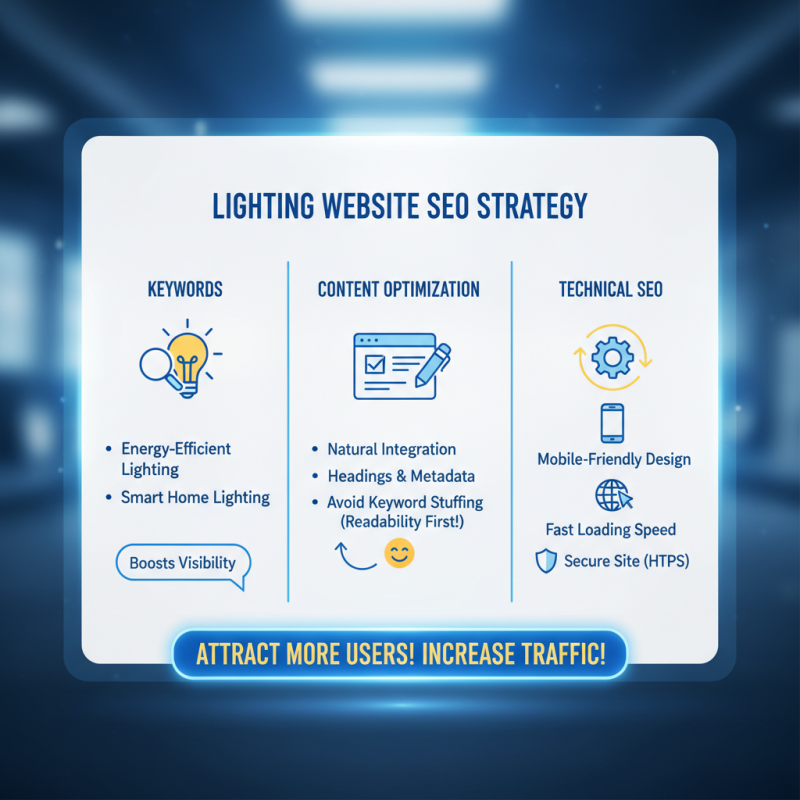
Creating a lighting website that draws users' attention requires careful optimization for search engines. Focus on using keywords related to your products and services. For instance, terms like "energy-efficient lighting" or "smart home lighting solutions" can improve your site's visibility. Make sure these keywords appear naturally in your content, headings, and metadata. Yet, relying solely on keyword density can lead to awkward phrasing, making the text hard to read.
User experience is just as crucial as search engine optimization. Your website should load quickly and function well on all devices. Simple navigation can enhance user satisfaction. Consider utilizing clear calls to action. But, if your website is cluttered or overly complex, visitors might leave frustrated. Remember, balance is key. Evaluating your site's performance regularly can help identify areas for improvement. Analyze user behavior to see what parts are engaging and which sections drive them away. Adjustments based on actual user data can make a significant difference.