How to Choose the Right Light and Lamps for Your Home?
Choosing the right light and lamps for your home is essential. The right lighting can transform a space. It adds warmth, functionality, and character. Different rooms require different approaches. For instance, a kitchen needs bright light for tasks, while a cozy living room benefits from softer tones.
Consider your décor style. Modern spaces often rely on sleek fixtures, while vintage themes may need classic lamps. Think about the mood you want to create. Warm light creates a cozy atmosphere, while cool light is energizing. The wrong choice can lead to harsh environments or dull spaces.
Reflect on where you need to place light and lamps. Overhead lights illuminate wide areas, while table lamps provide focused light. Sometimes, a mix of both can work wonders. Don't hesitate to experiment. You might find that your initial choice isn’t the best. Lighting is a vital part of home aesthetics; choose wisely.
Understanding Different Types of Lighting in Home Décor
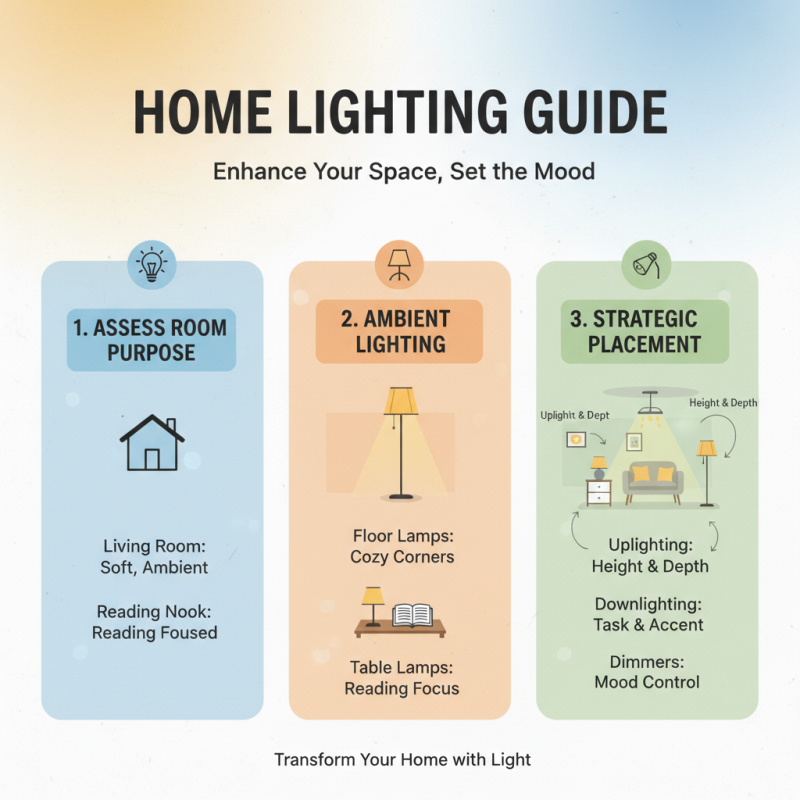
Lighting plays a vital role in home décor. It affects mood, functionality, and aesthetics. There are three main types of lighting: ambient, task, and accent. Ambient lighting provides overall illumination, while task lighting focuses on specific areas for activities like reading. Accent lighting highlights architectural features or artwork.
According to a report from the American Society of Interior Designers, 68% of homeowners prioritize lighting in their design choices. This shows how essential it is to select the right types for each room. Dimmer switches can control brightness, creating different atmospheres. For example, warm lighting can make a space feel cozy, while cooler tones may offer a modern touch.
Choosing the right lamps is also crucial. Floor lamps can add height, while table lamps can enhance surfaces. A mismatch can disrupt balance in a room. Often, people overlook functionality. A stylish lamp without enough light for reading is ineffective. Evaluate your needs. Every space is unique, and lighting should reflect that individuality. Experimentation can lead to unexpected yet satisfying results.
Evaluating Brightness Needs for Each Room in Your Home
Evaluating brightness needs for each room in your home is crucial for creating the right atmosphere. The average person spends 90% of their time indoors. Proper lighting impacts mood and productivity. Studies show that well-lit environments increase focus by up to 27%. Yet, many homes have mismatched lighting.
In the living room, a combination of ambient and task lighting works best. Soft, warm lights create a cozy vibe. Consider an output of around 300 to 400 lumens per square meter for comfort. In contrast, kitchens and workspaces require brightness for tasks. Aim for at least 500 lumens to facilitate cooking and detailed work.
Bathrooms and bedrooms have unique needs. For bathrooms, use bright, cool lights to ensure clarity. A 500 to 800-lumen range is ideal for grooming tasks. Bedrooms, however, benefit from softer, dimmable lights. Too bright a light can disrupt relaxation. Finding the right balance is key and often overlooked. Assess the purpose of each space before selecting your lights.
Choosing the Right Lamp Styles for Your Home Aesthetics
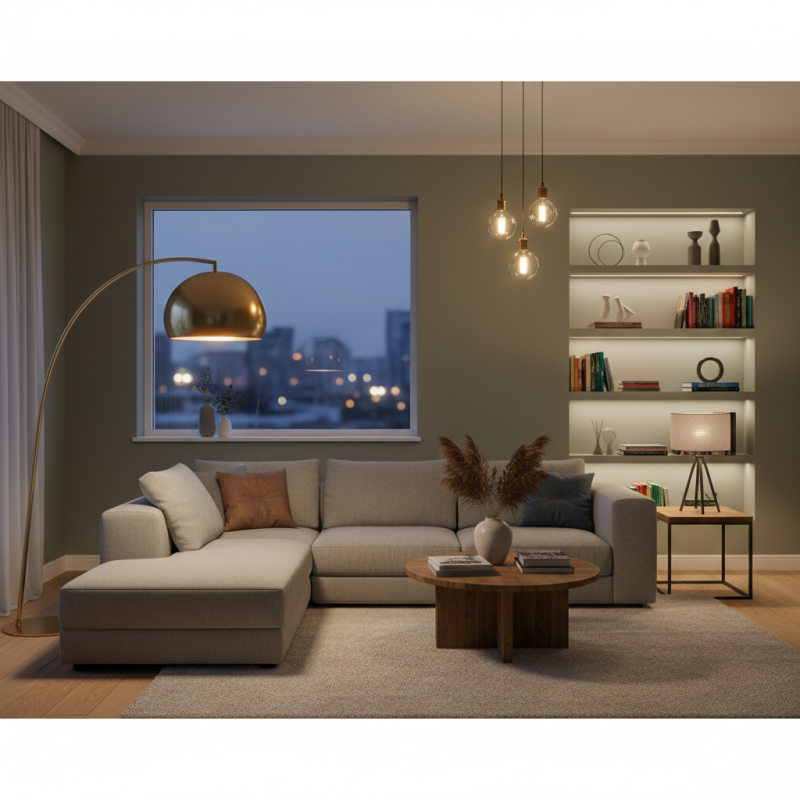
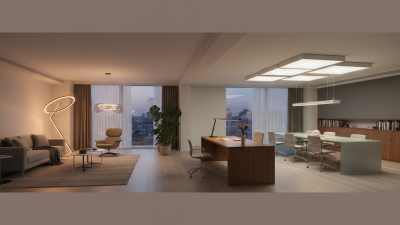
When choosing lamp styles for your home aesthetics, consider the specific ambiance you want to create. According to the American Lighting Association, 45% of homeowners prioritize ambiance when selecting lighting. A well-placed floor lamp can transform a room. For example, a tall arc lamp casts light across a seating area, enhancing warmth and inviting relaxation.
Different styles serve diverse functions. Industrial lamps work well in modern settings, blending metal with minimalist design. Meanwhile, vintage lamps add character and nostalgia to spaces. Yet, some may misjudge a lamp's size or brightness, leading to disappointing aesthetics. A lamp that looks beautiful may not illuminate effectively in a larger room. It's vital to measure and consider the scale of your furnishings.
Functionality should not overshadow style. A recent survey indicated that 38% of people believe aesthetics impact their mood. Using dimmable options can balance mood and practicality. Lighting is more than a design accessory; it sets the tone of your home. Reflecting on your choices may highlight hidden biases. Some may opt for trendy styles that don’t align with personal taste. Striking a balance between beauty and functionality is essential for a cohesive look.
How to Choose the Right Light and Lamps for Your Home?
| Lamp Style |
Ideal Room |
Light Type |
Color Temperature (Kelvin) |
Purpose |
| Table Lamp |
Living Room, Bedroom |
Warm White |
2700-3000K |
Reading, Ambiance |
| Floor Lamp |
Living Room, Office |
Cool White |
3500-4100K |
Task Lighting |
| Wall Sconce |
Hallway, Entryway |
Soft White |
2700K |
Accent Lighting |
| Chandelier |
Dining Room, Foyer |
Warm White |
2700-3000K |
Decorative, Ambient |
| Pendant Light |
Kitchen, Dining Area |
Bright White |
3000-4000K |
Task Lighting |