How to Choose the Right Bulb Light for Your Home?
Choosing the right bulb light for your home is a crucial decision. It influences not only ambiance but also energy consumption. According to the U.S. Department of Energy, lighting can account for about 15% of your electricity bill. Therefore, making an informed choice is essential.
Different types of bulb lights exist, such as LED, CFL, and incandescent. LEDs are the most energy-efficient, using up to 80% less energy than traditional incandescents. However, they can have a higher upfront cost. Incandescent bulbs produce warm light but have a shorter lifespan. On the other hand, CFLs offer a middle ground.
Consider factors like brightness, color temperature, and fixture compatibility when selecting a bulb light. Not every bulb suits every space. Reflecting on personal needs can help in choosing wisely. For example, a cozy reading nook might benefit from warm light, whereas a kitchen may need brighter illumination. The choices can be overwhelming, yet they have a significant impact on your home's atmosphere.
Understanding Different Types of Light Bulbs Available for Home Use
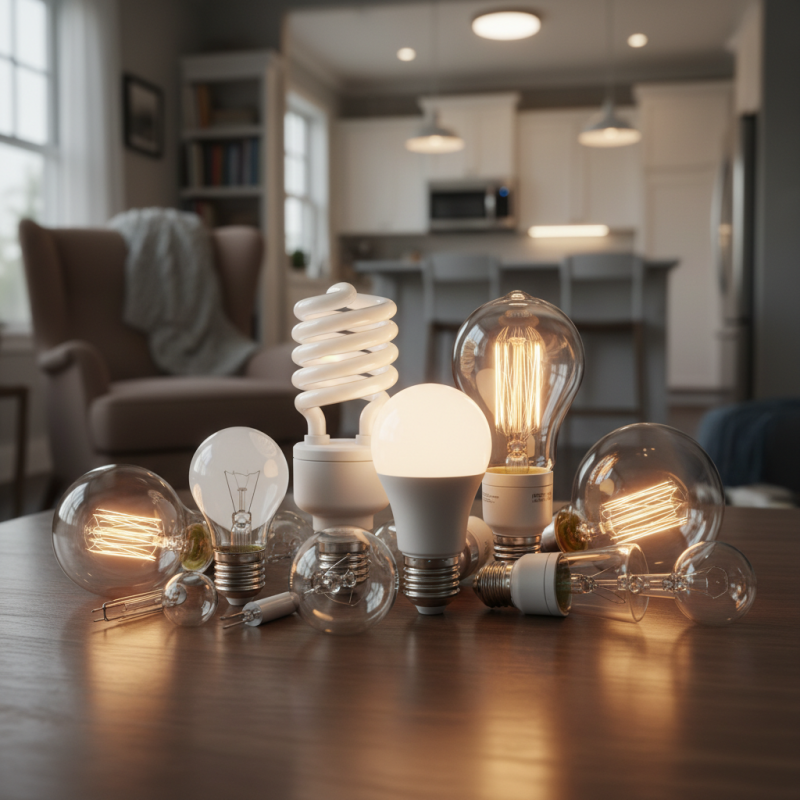
When choosing the right light bulb, understanding the types available is essential.
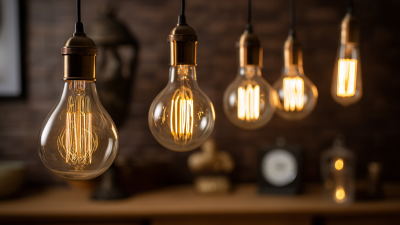
Incandescent bulbs offer a warm glow. They are easy to dim and great for cozy spaces. But, they consume more energy and have a shorter lifespan.
Fluorescent bulbs are more energy-efficient and last longer. They are often used in kitchens or garages. However, the light can be harsh and unflattering. Some people find the flicker irritating.
LEDs are becoming increasingly popular. They use less power and can last up to 25,000 hours. Their brightness and color temperature vary widely, but they can be more expensive upfront.
CFLs are another option. They are compact and energy-efficient, but can take time to warm up. The light may appear cold at first. Not all bulbs work well in every fixture. Remember to check compatibility.
Consider your needs carefully. What works in the kitchen may not suit the living room. The variability can be confusing, and it might take time to find the right balance.
Considering Brightness: Lumens vs. Watts Explained
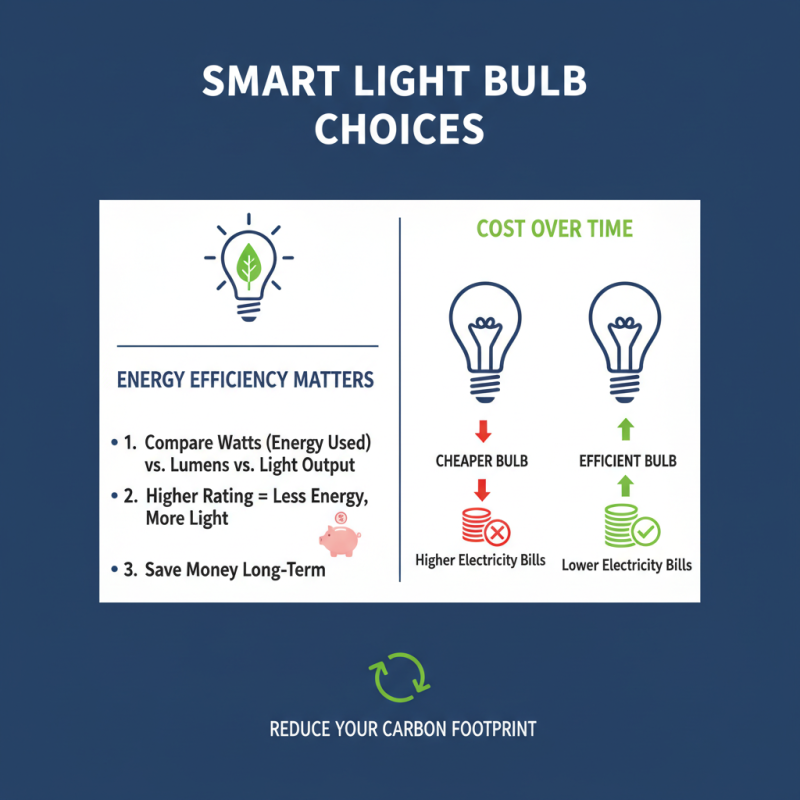
Choosing the right bulb light for your home goes beyond aesthetics. Understanding brightness is key. Lumens measure brightness, while watts measure energy use. Traditionally, many equate higher watts with bright light. However, this is misleading. For instance, a 60-watt incandescent bulb produces about 800 lumens. On the other hand, an LED bulb delivering the same lumens may only use about 10 watts.
This shift in understanding is crucial. The U.S. Department of Energy suggests that a typical household can save around $100 per year by switching to LED bulbs. This includes being mindful of lumens, not watts. Unfortunately, many consumers still focus on wattage. They may overlook that a 100-watt bulb is not necessarily the best choice for every room.
Additionally, light quality matters. Some bulbs emit a yellowish hue, while others offer a cooler, brighter light. The right choice can influence mood and productivity. Homes with inadequate lighting can lead to feelings of fatigue and depression. The International Association of Lighting Designers emphasizes that effective lighting supports well-being. Reflect on your settings. Are you choosing bulbs that support your lifestyle and enhance your space?
Understanding Brightness: Lumens vs. Watts
Selecting the Right Color Temperature for Your Living Spaces
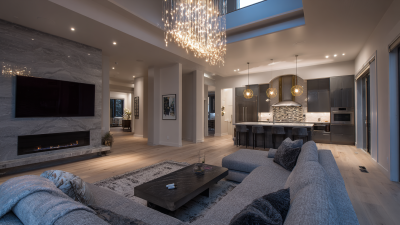
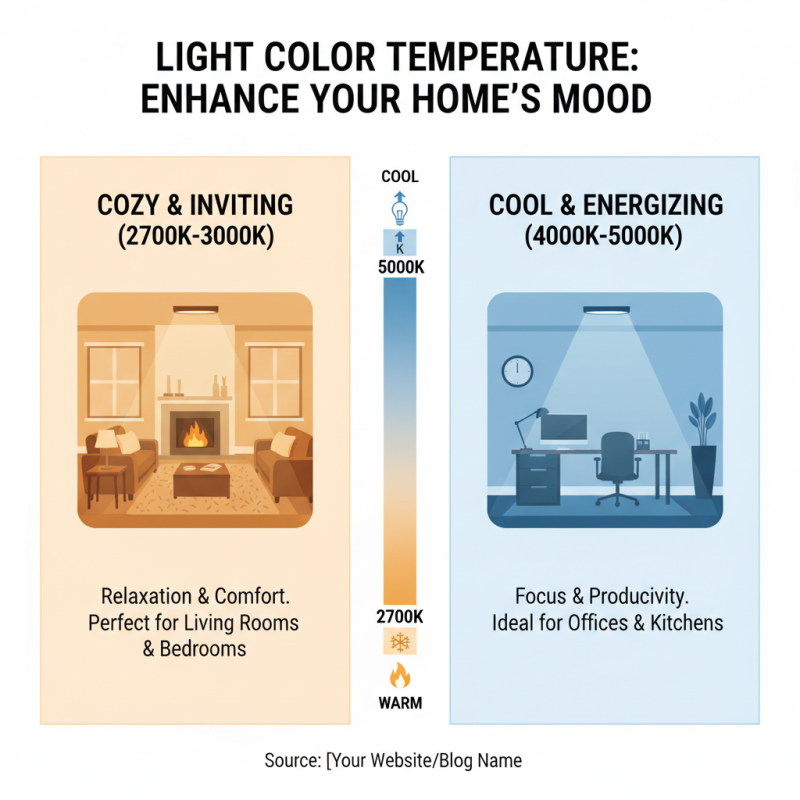
Choosing the right color temperature for your living spaces can significantly enhance the mood of your home. Color temperature is measured in Kelvin (K). A lower Kelvin number results in warmer light, while a higher number produces cooler light. For cozy areas, such as a living room, consider using bulbs with a color temperature between 2700K and 3000K. This range creates a soft, inviting atmosphere that is perfect for relaxation.
On the other hand, cooler light, ranging from 3500K to 4100K, is ideal for workspaces. This light feels more energizing and helps boost productivity. Kitchens and home offices benefit from this type of illumination. It mimics daylight and enhances visibility. However, too much cool light can feel harsh. Balance is key.
Consider experimenting with different bulbs in various rooms. You might find that the initial choice doesn't feel right over time. It’s a learning process. Observe how the light impacts your mood and daily activities. Finding the right color temperature isn't just about aesthetics; it’s about creating a space that feels comfortable and functional. Test and adjust as needed. Your home is unique, and so are your lighting needs.
Assessing Bulb Lifespan and Replacement Costs for Long-Term Use
Choosing the right light bulb involves assessing not just brightness and color, but also lifespan and replacement costs. According to the U.S. Department of Energy, incandescent bulbs last about 1,000 hours. In contrast, LED bulbs can last up to 25,000 hours. This makes LEDs a more durable option for long-term use.
While the upfront cost of LEDs is higher, the long-term savings are significant. A typical LED bulb saves approximately $80 in electricity over its lifespan. In fact, the Energy Information Administration notes that the average household can save over $200 annually by switching to energy-efficient lighting. However, many still find the initial price disheartening.
In some cases, users may not replace bulbs as often as they should. This can lead to expensive electricity bills and poor lighting quality. Consideration of the total cost of ownership can help in making informed choices. Think about how often you change bulbs now. Is it worth the hassle? Reflecting on these questions can guide better decisions for your home lighting needs.
How to Choose the Right Bulb Light for Your Home? - Assessing Bulb Lifespan and Replacement Costs for Long-Term Use
| Bulb Type |
Lifespan (Hours) |
Average Cost (USD) |
Energy Consumption (Watt) |
Replacement Frequency (Years) |
| Incandescent |
1,000 |
1.00 |
60 |
1 |
| CFL |
10,000 |
3.00 |
15 |
3 |
| LED |
25,000 |
5.00 |
10 |
5 |
| Halogen |
2,000 |
2.00 |
43 |
1 |