How to Choose the Right Heating Light for Your Needs?
Choosing the right heating light is crucial in various settings. These lights play a significant role in enhancing comfort and functionality. According to industry reports, approximately 70% of consumers struggle to select suitable heating lights for their homes.
Many factors influence this decision. The size of the space, the light’s wattage, and energy efficiency ratings affect the final choice. However, only a minority, around 30%, consider all these aspects. This often leads to suboptimal selections. Users may find themselves with inadequate warmth or excessive electricity costs.
The market is diverse, with various options available. Some products promise high efficiency but fall short in practice. It's essential to research and reflect on what features matter most. Balancing needs with product capabilities can lead to better long-term satisfaction with heating lights.
Understanding the Different Types of Heating Lights Available
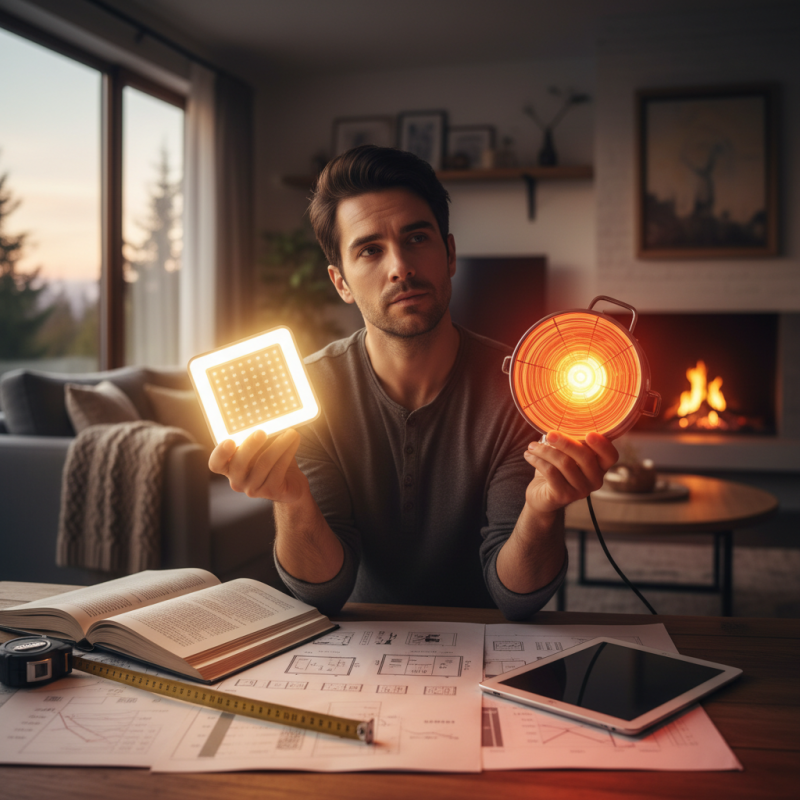
When choosing a heating light, it's essential to understand the different types available.
There are infrared, halogen, and ceramic heating lights
to consider. Each type serves specific needs. For instance, infrared lights
are excellent for quick heating. They provide warmth without heating the surrounding air.
Halogen lights are bright and energy-efficient, making them useful in various settings.
Ceramic heaters are effective in maintaining a steady temperature,
ideal for long-term use.
Here are a few tips to help you choose the right one. Assess your space.
A small room may only require a compact heating light. Larger spaces might need multiple units.
Think about the purpose. Are you using it for relaxation,
or do you need a heat source for pets? Understanding your primary need can guide your choice.
Finally, consider safety. Some heating lights can get very hot.
Ensure you position them away from flammable materials. Look for features like
auto shut-off. While these lights are convenient,
they can also pose risks. Reflect on how often you’ll use the heating light.
Overuse can lead to higher energy bills.
Balancing your needs and usage frequency is vital.
Identifying Your Specific Heating Needs and Requirements
Choosing the right heating light requires a deep understanding of your specific needs. Start by identifying the areas where you need heat. Are you warming a small space or a larger area? Consider the size of the room and how you will be using the light. A small bathroom may need a different solution than a spacious workshop. The heat intensity you require greatly impacts your choice.
Next, think about the desired atmosphere. Do you want bright light or a softer glow? Some heating lights can create a cozy ambiance, while others are more utilitarian. This decision often comes down to personal preference. You might want to explore options that allow you to adjust the brightness. Reflect on how often and in what situations you will use the light. Is it for leisure or more functional needs?
Lastly, take safety into account. Know that some heating lights can pose risks if not managed well. Always read user guidelines carefully. Weigh the costs versus the benefits. Sometimes, cheaper options may end up costing you more in energy bills. It’s essential to evaluate how the light fits into your lifestyle. Balancing all these factors can be tricky but vital for making the right choice.
Evaluating Energy Efficiency and Cost-Effectiveness
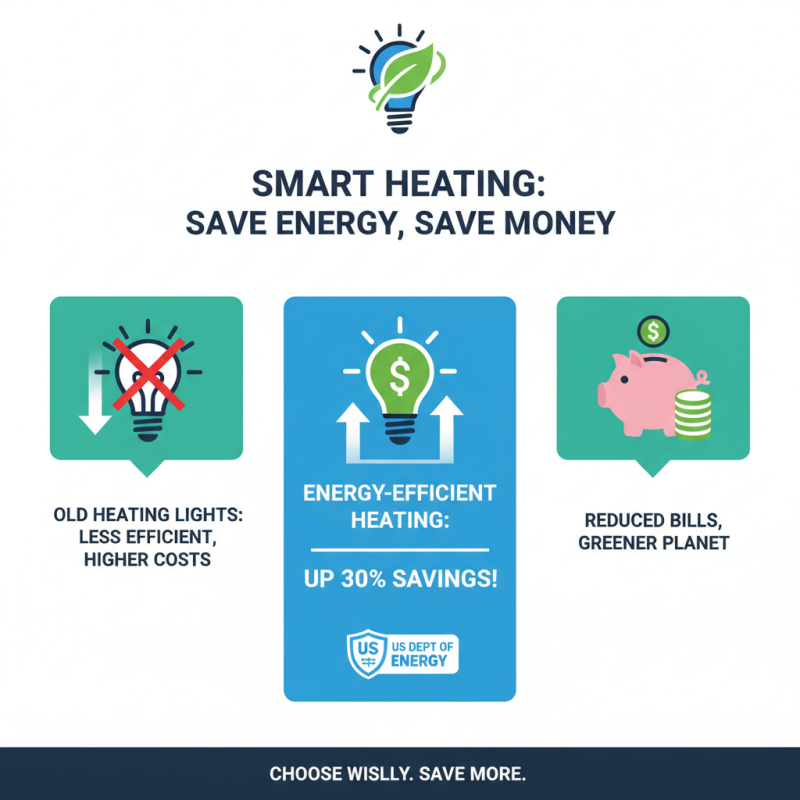
When choosing a heating light, energy efficiency is crucial. Many users overlook this aspect. According to the U.S. Department of Energy, energy-efficient heating lights can save up to 30% on energy costs. This means users can significantly reduce their bills by opting for efficient models.
Cost-effectiveness is another important factor. A more efficient heating light may cost more upfront but can lead to long-term savings. For instance, the average lifespan of energy-efficient bulbs is up to 15,000 hours. In contrast, traditional bulbs last about 1,000 hours. This long lifespan reduces the frequency of replacements, contributing to overall savings.
However, not every heating light suits every environment. For example, higher wattage bulbs might create too much heat in smaller areas. This could lead to discomfort and increased energy usage. It's essential to evaluate space and specific needs carefully. Making the wrong choice can lead to wasteful spending and inefficient heating.
Considering Safety Features and Usage Guidelines
When selecting a heating light, safety features are paramount. According to industry reports, inadequate safety measures lead to 30% of heating-related accidents. These include burns and fire hazards. Ensuring your heating light has auto shut-off features can drastically reduce risks. Lights with heat-resistant materials also enhance safety. They can prevent overheating and potential fires.
Usage guidelines are essential for maximizing safety. The National Fire Protection Association recommends maintaining a clear space around heating lights. Objects should be kept at least three feet away. This reduces the risk of fires. Regular inspection of cords and bulbs is vital. Damaged wires can pose shocking hazards. Many users overlook these checks.
Replacing bulbs in a timely manner is also crucial. Old or damaged bulbs pose risks. Reports show that about 25% of heating light malfunctions are due to neglect. Educating yourself on recommended wattages can further enhance safety. Higher wattages can lead to overheating. It’s important to balance brightness with safety.
Comparison of Different Heating Light Types
Assessing Size and Installation Options for Heating Lights
When selecting the right heating light, size and installation options are key factors. Measure the area where the light will be installed. A too-small light won't heat effectively, while an oversized bulb may overwhelm the space. Consider ceiling height, too. A high ceiling needs a different setup than a low one.
Tips: Look for quick installation methods. Some lights come with easy-mount options. This can save time and stress. Make sure to check if the unit requires professional installation. In some cases, improper setup can lead to inefficient heating.
Don't forget to evaluate your electrical system. Is it compatible with the heating light you want? An old wiring system may struggle with high wattage. Always prioritize safety. A light that doesn't fit well could lead to overheating. If unsure, ask for help.
How to Choose the Right Heating Light for Your Needs? - Assessing Size and Installation Options for Heating Lights
| Heating Light Type |
Size (Watts) |
Coverage Area (sq ft) |
Recommended Installation Height (ft) |
Installation Option |
Energy Efficiency Rating |
| Infrared |
150 |
100 |
7 |
Wall Mount |
A+ |
| Halogen |
200 |
150 |
8 |
Ceiling Mount |
B |
| Ceramic |
250 |
200 |
8 |
Freestanding |
A |
| Radiant |
300 |
250 |
10 |
Wall Mount |
A+ |