How to Choose the Best Industrial Light for Your Needs?
When it comes to selecting the right industrial light, clarity and purpose are essential. The right lighting can enhance safety, productivity, and efficiency in your workspace. Industrial lights vary widely in design, function, and application. Choosing the best option can be overwhelming.
Consider the specific needs of your environment. Factors include the size of the area, the nature of the work, and even energy efficiency. Are you illuminating a warehouse, factory, or outdoor area? Each setting requires different lighting solutions. LED options are popular due to their longevity and energy savings. However, traditional incandescent lights may still have their place in certain areas.
Reflecting on the quality of light is crucial. Brightness, color temperature, and beam angle affect visibility significantly. A poor choice can lead to eye strain and reduce worker productivity. Take your time to assess all the factors. An ideal industrial light should not only meet current needs but also anticipate future demands.
Understanding Different Types of Industrial Lights Available on the Market
When selecting the right industrial light, it's crucial to explore the different types available. Key types include
LED, fluorescent, and high-intensity discharge (HID) lights.
LED lights are energy-efficient and long-lasting. They offer bright illumination with low heat output, making them ideal for various settings.
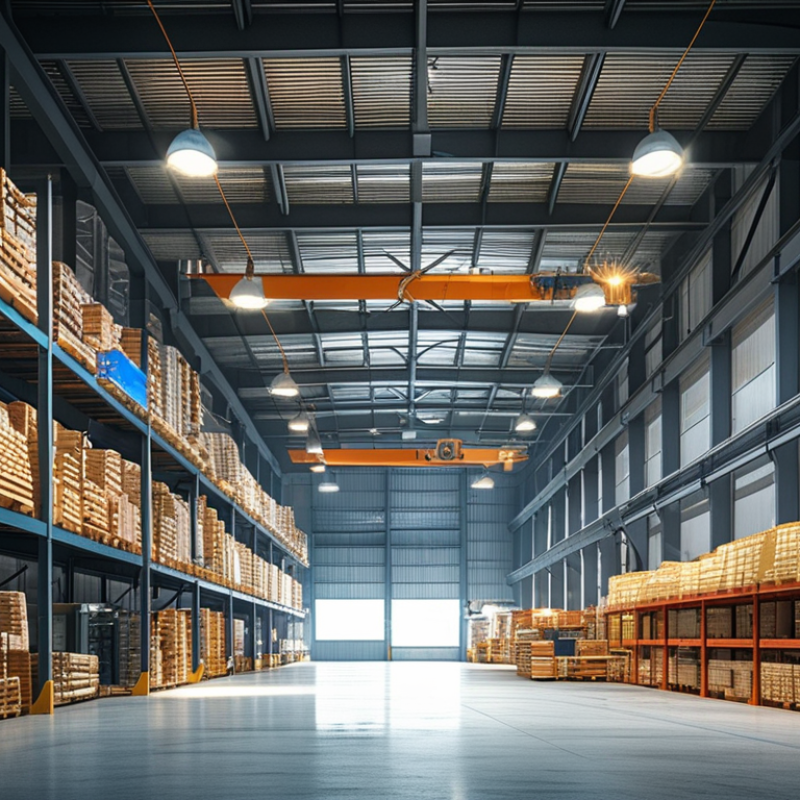
Fluorescent lights are another common option, typically used in warehouses. They provide good coverage and are cost-effective for larger spaces.
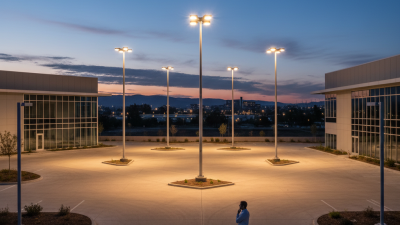
HID lights, on the other hand, are powerful and often used in outdoor environments.
Consider the specific requirements of your workspace. Location plays a significant role in choosing the right light. For outdoor areas,
brighter options like HID may be necessary. Indoor spaces may benefit from LEDs or fluorescents, depending on the tasks performed.
Think about the color temperature of the lights as well. Warmer lights create a cozy atmosphere, while cooler lights enhance focus and visibility.
Reflect on your power needs too. Energy consumption affects overall costs. While LEDs are more expensive upfront, they save money over time.
It's essential to factor in maintenance as well. High-maintenance lights can lead to increased operational costs. Failing to account for these details
may result in inefficiencies or dim work areas.
Evaluating Lighting Requirements Based on Your Specific Industrial Application
When choosing industrial lighting, evaluating your specific application is crucial. Various factors influence lighting requirements, such as the space's size, purpose, and environmental conditions. For instance, a report from the U.S. Department of Energy highlights that facilities with higher ceiling heights often need luminaries with greater intensity to maintain appropriate illumination levels.
Different industries have distinct needs. Manufacturing plants, for example, typically benefit from a minimum of 300 lux for general tasks. In contrast, detailed operations like assembly or inspection may require upwards of 700 lux. This variation underscores the importance of matching light levels to task requirements.
It's also essential to consider energy efficiency. The Illuminating Engineering Society recommends using LED lighting, which can reduce energy consumption by up to 75% compared to traditional incandescent bulbs. However, not every LED design is suitable for every situation. Some might not provide adequate color rendering, affecting quality control in critical applications. So, ongoing evaluation and feedback from workers are necessary to assess lighting performance in practice.
Assessing Energy Efficiency and Cost-effectiveness of Lighting Options
Choosing the right industrial light involves considering both energy efficiency and cost-effectiveness. According to a report from the U.S. Department of Energy, LED lighting can reduce energy consumption by up to 75% compared to traditional incandescent bulbs. This reduction not only lowers electricity bills but also minimizes heat output, which can improve workplace safety and comfort.
When selecting lighting, assess both initial costs and long-term savings. Upfront investments in high-efficiency lighting may be larger than outdated options, but the return on investment can be significant. Research indicates that companies can save thousands annually by switching to energy-efficient systems, especially in large facilities.
Consider the long-term impact of your choices. Sometimes, a less expensive option may lead to higher maintenance costs. Examine warranty terms and expected lifespan. Quality lighting systems often come with robust warranties, suggesting reliability. Efficient lighting systems can even improve employee productivity and morale. Remember to always evaluate your specific needs and the potential return on investment in any decision-making process.
How to Choose the Best Industrial Light for Your Needs?
| Lighting Type |
Energy Efficiency (lm/W) |
Average Cost ($) |
Lifespan (Hours) |
Suitable Environment |
| LED |
100 |
50 |
50,000 |
Warehouses, Factories |
| Fluorescent |
70 |
20 |
15,000 |
Offices, Retail Stores |
| Incandescent |
15 |
5 |
1,000 |
Residential, Decorative |
| High-Intensity Discharge (HID) |
90 |
120 |
24,000 |
Outdoor, Stadiums |
| Daylight LED |
130 |
60 |
60,000 |
Industrial Plants, Garages |
Selecting the Right Brightness and Color Temperature for Optimal Performance
Selecting the right brightness and color temperature is crucial when choosing industrial lights. Brightness, measured in lumens, impacts visibility. For heavy tasks, such as machinery operation, high lumens are essential. Areas with fine detail work need targeted lighting, often best served by lower lumen levels that reduce glare.
Color temperature, measured in Kelvin, affects how we perceive light. For instance, a cooler light (above 5000K) mimics daylight conditions, enhancing alertness and concentration. Warmer lights (below 3000K) work well in relaxation areas, like lounges. It’s important to assess the specific tasks at hand to determine the ideal temperature.
An often-overlooked detail is the balance between brightness and warmth. Too bright can cause discomfort and fatigue; too warm may reduce focus. Testing different options in your environment can yield surprising results. Regular feedback from workers can enhance the process. This way, you ensure an optimal working space that meets all performance needs effectively.
Considering Durability and Maintenance Needs for Long-term Use
Durability is a key factor when selecting industrial lights. These lights face harsh conditions. Think about the environment where they will be used. If moisture or dust is present, choose fixtures that are weatherproof. Look for materials that resist corrosion. Metal housings often last longer. This is crucial for outdoor settings.
Maintenance is equally important in ensuring long-term use. Regular upkeep can prevent costly problems. Check light bulbs periodically to ensure they function well. Clean fixtures to eliminate dust buildup. Some designs make this process easier. Consider lights that offer easy access to components. This reduces downtime and maintenance costs. Do the research to find options that balance durability with low maintenance.
While durability and maintenance are vital, it's also worth reflecting on your specific needs. Overly robust systems can lead to unnecessary expenses. Evaluate your lighting requirements carefully. Is the extra durability worth the investment? Simple, effective solutions often fulfill needs without over-complicating your setup. Remember, the ideal choice should align with both your operational demands and budget.