How to Choose the Best Smart Home Panel for Your Needs?
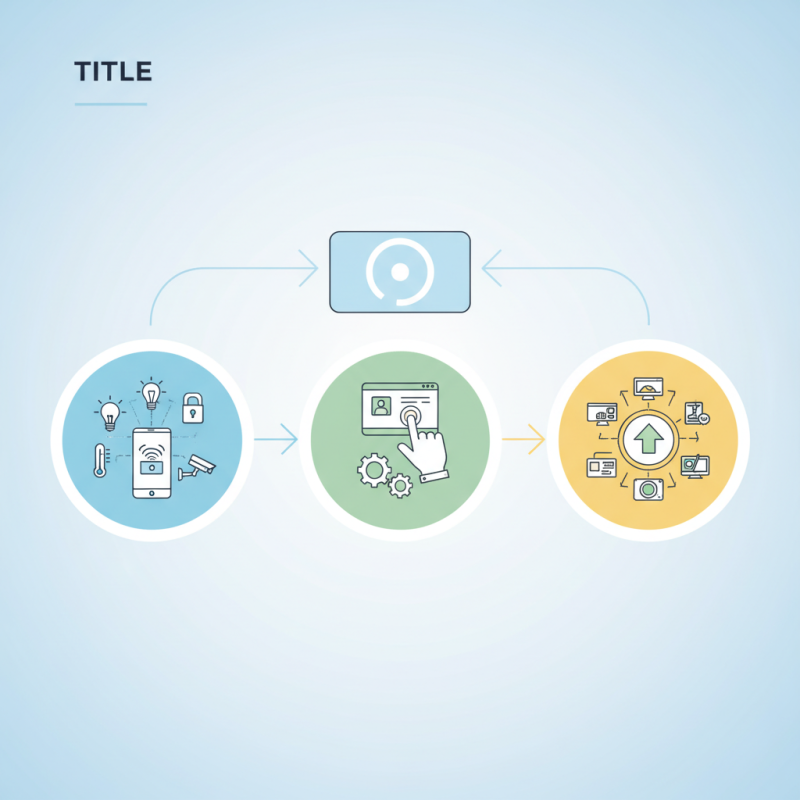
Choosing the right Smart Home Panel can be overwhelming. With so many options available, understanding your needs is crucial. A Smart Home Panel acts as the central hub in your smart home. It connects devices and helps you manage them efficiently.
When selecting a Smart Home Panel, consider factors like compatibility, ease of use, and design. Some panels are more user-friendly than others. This aspect often gets overlooked but can significantly affect your daily experience. Reflect on how the interface feels. Does it fit your lifestyle?
In addition, think about future-proofing your investment. Technology advances rapidly, and your needs may change. Choose a Smart Home Panel that allows updates and integrations with new devices. This flexibility ensures you won't regret your choice down the line.
Understanding Smart Home Panels: Key Features and Functions
Smart home panels offer a centralized control system for various smart devices. Understanding their key features and functions is essential for making an informed choice. According to a recent report by MarketsandMarkets, the smart home market is expected to reach USD 135.3 billion by 2025, indicating a growing reliance on integrated systems.
Key features include compatibility with devices like sensors, lights, and security cameras. A panel’s user interface should be intuitive. Reports show that 70% of users prioritize ease of use. Look for a panel that supports voice control. This feature enhances accessibility and convenience, particularly for those with mobility issues.
Connectivity is another vital aspect. Most panels support Wi-Fi, Bluetooth, and Zigbee. Yet, not all panels connect seamlessly with every device. Some may have limited integration, which could hinder your smart home experience. Additionally, security concerns continue to arise, making reliable encryption a must-have feature. Users should be aware that even popular panels can face vulnerabilities. Being informed about these aspects will guide you toward the right smart home panel for your specific needs.
Assessing Compatibility with Existing Smart Home Devices
When choosing a smart home panel, compatibility is key. You should evaluate the devices you already own. Not all panels support every brand or protocol. Check which smart bulbs, cameras, or thermostats you have. Understanding your current ecosystem can prevent future headaches.
Consider the communication standards your devices use. Common protocols include Wi-Fi, Zigbee, and Z-Wave. A panel that supports multiple standards can offer more flexibility. If you find that your favorite devices are incompatible, it may lead to frustration. You might need to replace proven products, which can be costly and time-consuming.
Installation is another critical factor. Some panels require extensive setup, which could be daunting. Make sure to read user reviews before purchasing. They often highlight integration challenges. A smart home panel should simplify your life, not complicate it. So think about how your existing setup can influence your choice.
How to Choose the Best Smart Home Panel for Your Needs? - Assessing Compatibility with Existing Smart Home Devices
| Smart Home Panel | Compatibility | Features | User Interface | Price Range |
| Model A | Compatible with Wi-Fi, Zigbee | Voice Control, Touchscreen | Intuitive, Customizable | $100 - $150 |
| Model B | Compatible with Wi-Fi, Z-Wave | Voice Control, App Integration | User-Friendly, Simple Layout | $80 - $130 |
| Model C | Compatible with Wi-Fi, Bluetooth | Touchscreen, Automation | Sleek, Modern Design | $120 - $200 |
| Model D | Compatible with Wi-Fi, Zigbee, Z-Wave | Voice Control, Multi-Device Support | Easy Navigation, Custom Scenes | $150 - $250 |
Evaluating User Interface and Usability for All Family Members
When choosing a smart home panel, user interface and usability are crucial. Not every family member will be tech-savvy. A panel with an intuitive interface makes it easier for everyone to adapt. Visual simplicity is key. Large buttons and clear icons help younger children and older adults navigate with ease.
Think about the common tasks. Can your family quickly adjust the temperature? Are lights easy to control? A well-designed panel reduces frustration. Perhaps, it lacks certain customizations. That’s a point worth reflecting on. A panel that feels overwhelming may discourage usage.
Consider multi-user options. Some interfaces require unique setups for different users. This can be a hassle. A panel that remembers preferences for each family member could be more helpful. What happens when updates change the layout? This uncertainty can disrupt established habits. Ultimately, assess how a smart panel can grow with your family.
Comparing Cost and Value: Budgeting for Your Smart Home Panel
When budgeting for a smart home panel, it's vital to balance cost and value. Consider your home size and the number of devices you'll control. A basic panel might suffice for a small space, while larger homes may require more features. Think about future upgrades too. The right choice should fit not just your current needs, but future possibilities.
Tips: Compare multiple options. Look at features versus price. Sometimes, paying a little more can save money down the line. For instance, a durable panel might prevent constant replacements. Analyze what is included in the price. Some panels offer additional services that can enhance their value.
Avoid features you don't need. Fancy add-ons can inflate costs without providing real benefits. Make a list of must-have features. Stick to it while you shop. Reflect on past purchases: did extra features improve your experience? Assessing previous choices can guide smarter decisions.
Exploring Future-Proofing: Software Updates and Ecosystem Integration
When selecting a smart home panel, consider future-proofing through software updates and ecosystem integration. A report from Gartner predicts that 25 billion devices will be connected to the internet by 2030. This growth means that compatibility with existing and future devices is crucial. Smart home panels should seamlessly integrate with various ecosystems. The wrong choice can lead to compatibility issues down the line.
Software updates are vital for security and new features. According to a study by ABI Research, 50% of consumers abandon devices that can’t be updated. Frequent updates ensure your smart panel stays current and secure. Also, check the frequency of these updates. Some panels may not receive regular support, resulting in issues later.
Investing in future-ready technology may feel overwhelming. Data from Statista shows that about 70% of consumers fear obsolescence. A smart home panel should connect with varying technology. It should adapt as new devices emerge. Choosing wisely can save time and money.
Smart Home Panel Features Comparison
This chart highlights the importance of various features when selecting a smart home panel. Users prioritize user interface and security features highly, followed by ecosystem compatibility and update frequency.