Why Choose a Home Elevator for Your Modern Home?
In today's modern homes, convenience and accessibility are paramount. Installing a Home Elevator can significantly enhance both. Experts like John Smith, an industry leader in home design, state, "A home elevator isn’t just a luxury; it’s a necessity for modern living." This statement reflects the growing trend of integrating home elevators into various architectural designs.
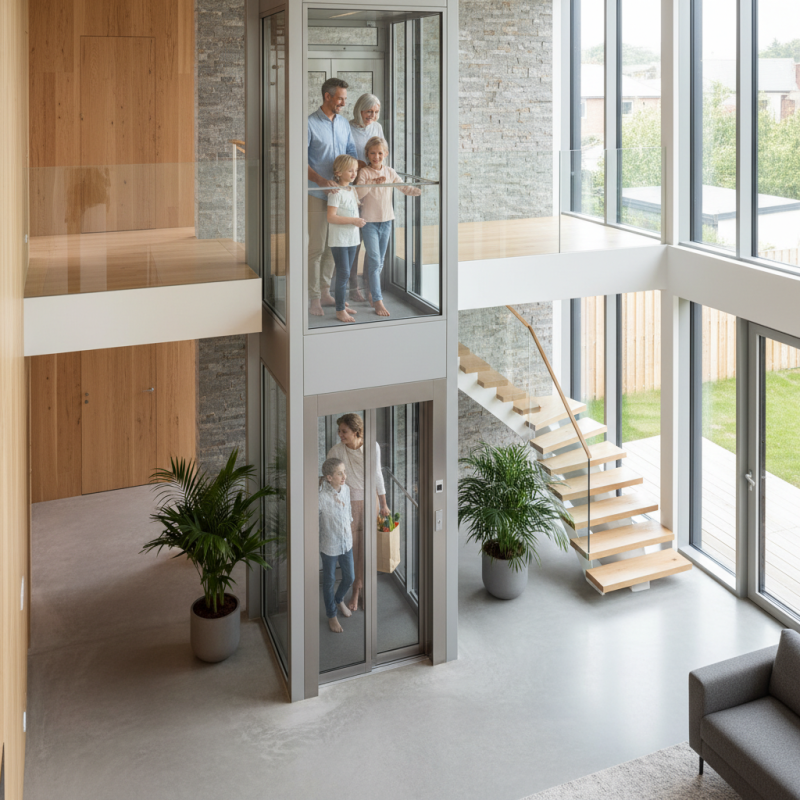
Home elevators cater to a wide range of needs. They provide effortless access between floors, especially for families with children or elderly members. Imagine a busy afternoon when carrying groceries is a struggle. A home elevator transforms this once tedious task into a simple press of a button.
However, not everyone considers this option. Some may see it as excessive or expensive. It's essential to weigh the long-term benefits against the initial investment. Reflecting on personal needs and preferences can help clarify the decision. The choice of a home elevator can be a game-changer in enhancing comfort and lifestyle.
Benefits of Installing a Home Elevator in Your Modern Home
Installing a home elevator can elevate not just your home’s accessibility, but also its overall value. According to a study by the National Association of Home Builders, nearly 10% of new homes now include elevators. This trend is growing. Home elevators cater to an aging population that seeks convenience. They provide easy access for those with mobility challenges. This adds a layer of comfort to daily living.
Safety is another crucial factor. In the U.S., falls are among the leading causes of injury for seniors, with over 3 million injuries reported annually. A home elevator can significantly reduce this risk. By eliminating the need to navigate stairs, these elevators enhance not just accessibility, but safety. Furthermore, modern home elevators are designed to fit seamlessly into any décor, providing style alongside function.
Despite their advantages, some concerns persist. Installation costs can be substantial, ranging from $20,000 to $40,000 on average. This prompts homeowners to reflect on their long-term plans. Is the investment worth it? Will it add value? While the benefits are clear, the decision requires careful thought. A balance between immediate needs and future benefits is essential in such an investment.
Enhancing Accessibility and Mobility with Home Elevators
Home elevators can transform accessibility in modern homes, providing mobility solutions for all ages. According to a report by the National Association of Home Builders, nearly 90% of surveyed homeowners want to age in place. Accessible living spaces are increasingly important as the population ages. Home elevators can bridge the gap between floors, offering ease and convenience.
These installations are not just for the elderly. Families with children or those with mobility challenges benefit greatly. A data point from the American Society of Home Inspectors reveals that around 25% of homes experience mobility issues. Installing a home elevator can significantly reduce the risk of falls, enhancing safety.
However, cost remains a concern. The average home elevator can range from $20,000 to $40,000. This investment might seem substantial. Yet, many homeowners view it as essential for comfort and long-term utility. While the initial expense may deter some, the long-term benefits often outweigh the costs. Reflecting on this, the decision comes down to a balance between budget and quality of life.
Aesthetic Integration: Designing Home Elevators to Match Your Style
A home elevator can enhance both functionality and aesthetics. It isn't just a means of moving between floors; it's a statement piece. Imagine a sleek, glass-walled elevator that allows light to flow through. It can become a focal point in your home. A carefully designed elevator complements your existing decor, whether modern or traditional.
Designing an elevator requires attention to detail. Consider the materials used. Wood paneling can add warmth, while stainless steel offers a contemporary look. The layout matters too. An elevator positioned near a staircase can create a seamless flow. Lighting choices, like soft LEDs, can enhance the atmosphere, making the space feel welcoming.
Not every home can easily accommodate an elevator. Space constraints and structural limitations might pose challenges. It’s crucial to weigh practicality against aesthetics. Some designs may look stunning but may not fit well in certain layouts. Achieving that perfect balance is an ongoing journey of exploration, reflection, and creativity. Every choice shapes the overall ambiance, ensuring your home feels uniquely yours.
Why Choose a Home Elevator for Your Modern Home? - Aesthetic Integration: Designing Home Elevators to Match Your Style
| Feature | Description | Benefits | Design Options |
| Space-saving | Home elevators can be designed to fit small spaces. | Maximize the usable space in your home. | Compact designs, customizable sizes. |
| Aesthetic Appeal | Elevators can be integrated seamlessly into the home decor. | Enhances the overall style of the home. | Custom finishes, glass walls, various materials. |
| Accessibility | Provides easy access to all levels of the home. | Ideal for seniors or those with mobility challenges. | Stylish and functional designs tailored to needs. |
| Safety Features | Modern elevators come with advanced safety systems. | Peace of mind for you and your family. | Emergency systems, safety brakes, door sensors. |
| Energy Efficiency | Designed to use minimal energy. | Lower utility bills over time. | Eco-efficient models available. |
Boosting Property Value with a Home Elevator Addition
Adding a home elevator can significantly boost property value, especially in modern homes. In an era where convenience is key, more buyers seek features that enhance living experiences. A home elevator does just that. It creates easy access to multiple floors, appealing to families and those with mobility challenges.
Consider the aesthetic aspect, too. Elevators can seamlessly blend with home designs, adding a touch of luxury. They can be customized in various finishes, matching your interior style. Imagine a sleek glass elevator in a contemporary setting, elevating the overall ambiance. However, it is essential to evaluate the installation process. Space requirements and structural changes may pose challenges.
Reflect on the potential return on investment. While the initial cost may be high, the long-term benefits often outweigh these concerns. Buyers appreciate added functionality, especially in hilly or multi-story homes. Yet, it's crucial to research properly. Not every installation will yield the same value increase. This decision shouldn't be rushed.
Advantages of Installing a Home Elevator
Understanding the Safety Features of Modern Home Elevators
Modern home elevators offer a unique blend of convenience and safety. When considering installation, safety features should be a primary focus. According to the National Association of Elevator Contractors, about 30% of all elevator accidents occur due to faulty systems. This statistic underlines the importance of understanding and investing in modern safety technology.
Most home elevators come equipped with multiple safety features. For example, emergency brakes activate if there is a mechanical failure. Additionally, doors are designed to prevent opening when the elevator is in motion. These features significantly reduce the risk of accidents, ensuring user safety and peace of mind.
Tip: Regular inspections can help maintain elevator safety. Industry experts recommend inspections every six months. Staying proactive can prevent potential issues. Remember, while elevators can enhance luxury living, they also carry risks. Investing in high-quality technology is crucial for ensuring safety. Not all systems are created equal, and some may fall short on safety measures. Therefore, thorough research and consultation with experts are essential before making a decision.