How to Choose the Best Lighting Products for Your Home?
Choosing the right lighting products for your home can significantly impact aesthetics and functionality. According to the U.S. Department of Energy, lighting accounts for approximately 15% of home energy use. Selecting energy-efficient lighting not only reduces costs but also minimizes environmental impact.
The market is flooded with options like LEDs, fluorescents, and incandescent bulbs. Each type has its advantages and drawbacks. For instance, while LEDs consume less energy and last longer, they can be more expensive upfront. It's essential to reflect on your needs and lifestyle when making a choice.
Consider the atmosphere you wish to create. Warm lighting can make spaces feel cozy, while cooler tones increase alertness. The wrong choice can lead to a gloomy or overly harsh environment. Balancing style with practical considerations often requires thoughtful exploration. The journey of finding the best lighting products is not always straightforward, but the right approach can yield brilliant results.
Understanding Different Types of Lighting Products for Home Use
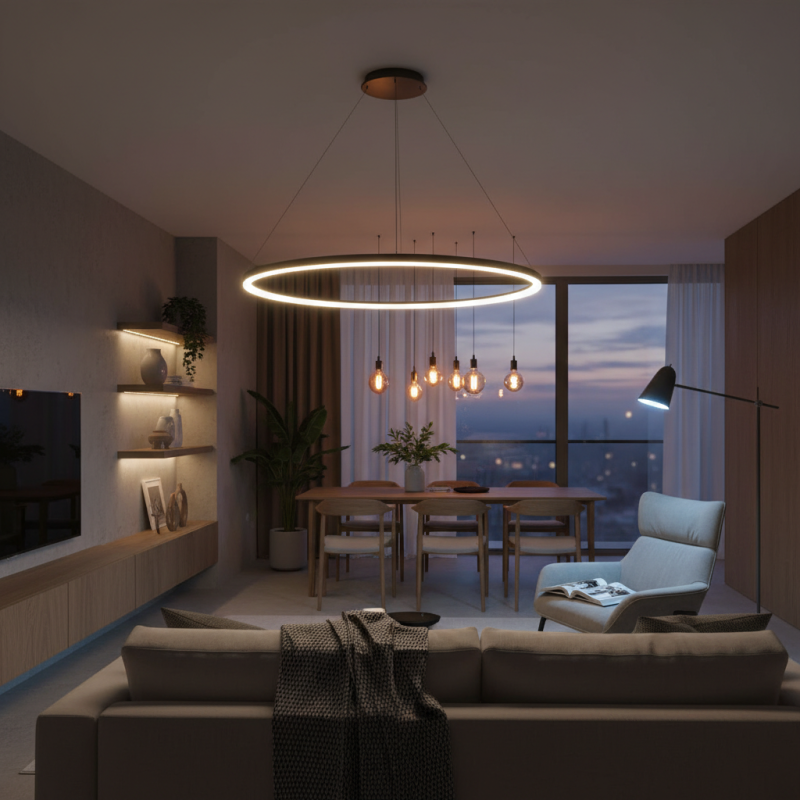
Choosing the right lighting products can enhance the mood of any space. Different types of lighting serve unique purposes in a home. Understanding each type is critical.
Ambient lighting provides overall illumination. It's often the main source of light in a room. An example is
ceiling fixtures. They can transform a dark space into a welcoming area.
Task lighting is designed for specific activities. Think of reading lamps or under-cabinet lights in the kitchen.
These lights make tasks easier and improve visibility. According to industry reports,
75% of homeowners prefer task lighting for convenience.
Accent lighting adds drama by highlighting artwork or architectural features.
It creates a focal point. However, relying too much on accent lighting can make a room feel unbalanced.
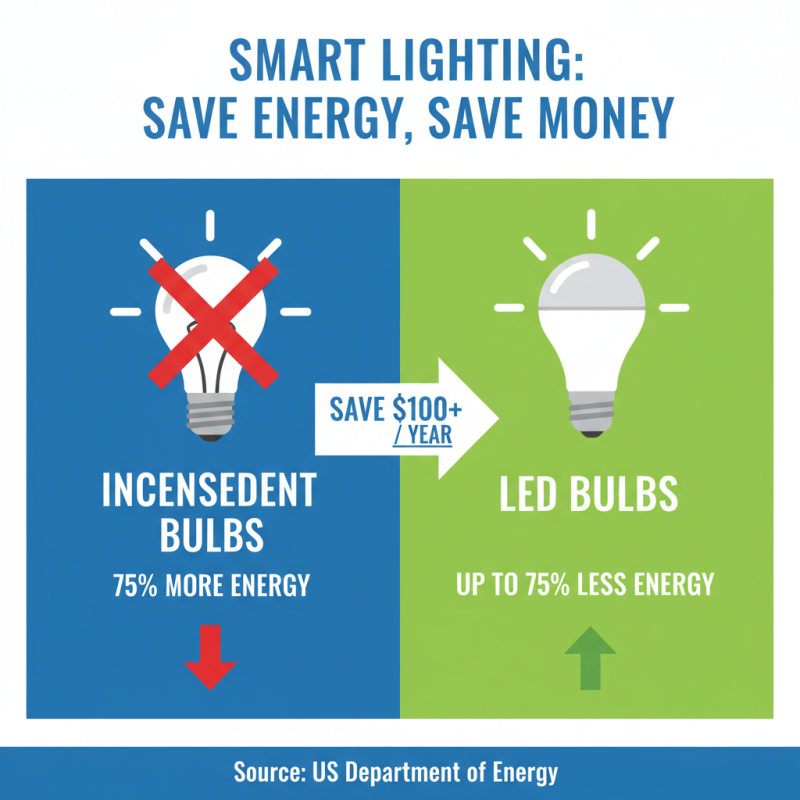
Energy efficiency is another crucial factor. LED lights, for example, consume up to
75% less energy than incandescent bulbs. Despite their initial higher cost,
they last longer and save money over time. Still, some prefer the warmth of traditional bulbs.
Finding the right balance between aesthetics and functionality can be challenging.
It often requires patience and trial and error.
Evaluating Your Space: Size, Style, and Functionality Considerations
When choosing lighting products for your home, consider your space carefully.
Size matters. A large room may require multiple light sources. A small space needs more focused lighting.
Tall ceilings will benefit from pendant lights. Low ceilings might need flush mounts.
Style is equally important. Your fixtures should complement your home decor.
Modern homes may lean towards sleek designs. Traditional spaces could benefit from ornate options.
However, mixing styles can create a unique look. Be cautious with this approach.
It can easily feel cluttered or mismatched.
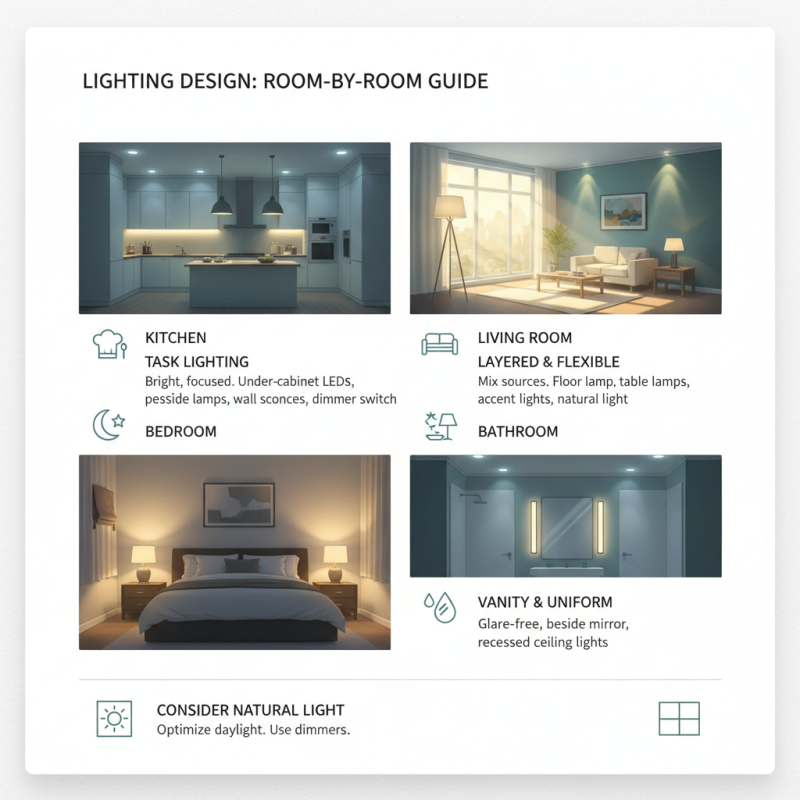
Functionality is key as well. Think about how you use each room. Bright lights may work well in kitchens.
Soft lighting is more suitable for bedrooms. Consider task lighting for workspaces.
Don’t forget about dimmers. They offer flexibility and ambience. Plan this carefully,
or you might end up with too much glare or too little light. Think through your choices intentionally.
Assessing Energy Efficiency and Long-Term Cost Effectiveness
When choosing lighting products, energy efficiency plays a crucial role. According to the U.S. Department of Energy, LED bulbs use up to 75% less energy than traditional incandescent bulbs. This significant reduction translates to lower electricity bills over time. For example, replacing ten 60-watt incandescent bulbs with 10-watt LEDs could save you over $100 a year.
Long-term cost effectiveness is another key factor. While LED bulbs may have a higher upfront cost, their lifespan can exceed 25,000 hours. In comparison, traditional bulbs last only about 1,000 hours. This means fewer replacements and less waste. However, many homeowners overlook this initial investment. They focus on immediate costs instead of the bigger picture.
It's important to research. Look at life cycle costs rather than just the purchase price. Some energy-efficient products have hidden benefits like reduced maintenance and longer intervals between replacements. Yet, personal habits and lighting needs vary. This might require reassessment over time. Understanding usage patterns helps in making informed decisions. Ultimately, energy efficiency and long-term savings go hand in hand in creating a sustainable home environment.
Choosing the Right Bulb: Brightness, Color Temperature, and Lifespan
When choosing lighting for your home, consider the brightness of the bulbs. Brightness is measured in lumens. More lumens mean brighter light. For a cozy atmosphere, aim for softer settings. For workspaces, opt for brighter bulbs.
Color temperature affects the mood of a room. Warm light (below 3000K) creates comfort. Cool light (above 5000K) feels alert. It’s essential to test different options. Many people assume one color works everywhere. That’s not true. Different rooms need different ambiances.
**Tip:** Experiment with different bulbs until you find the right match.
Lifespan is another factor. LED bulbs last longer than incandescent bulbs. They save money long term. However, some LED options might not be as warm as desired. Check the specifications. Don’t buy based solely on lifespan. A bulb’s quality affects its performance too.
**Tip:** Keep a log of your bulb types and their longevity.
Consider these aspects carefully. Your home lighting choice shapes your environment. Each decision impacts both aesthetics and functionality. Don’t rush; take your time. Reflect on what works for you.
How to Choose the Best Lighting Products for Your Home? - Choosing the Right Bulb: Brightness, Color Temperature, and Lifespan
| Bulb Type |
Brightness (Lumens) |
Color Temperature (Kelvin) |
Lifespan (Hours) |
| Incandescent |
800 |
2700 |
1000 |
| Compact Fluorescent |
900 |
3500 |
10000 |
| LED |
1000 |
3000 |
25000 |
| Halogen |
1100 |
2900 |
2000 |
| Smart Bulb |
800 |
CCT adjustable |
15000 |
Designing a Cohesive Lighting Plan for Each Room in Your Home
Designing a cohesive lighting plan for each room enhances both functionality and ambiance. Start by understanding the purpose of each space. A bright kitchen requires useful task lighting, while a bedroom benefits from softer, warmer hues. Mix various light sources like overhead fixtures, wall sconces, and lamps to create depth. Sometimes, you may forget to consider the natural light entering the room. This can lead to over-lighting or under-lighting issues.
In larger spaces, it’s easy to overlook corners. They often remain dark and underutilized. A strategically placed floor lamp can transform an empty nook into a cozy reading area. Don’t hesitate to experiment. If a setup doesn’t feel right, pivot to another arrangement. Layering lights can work wonders, but it’s not always intuitive. You might need to adjust brightness levels to achieve that perfect glow. Reflect on how you use each area. A dining room that feels too formal might benefit from dimmer, more inviting lighting.
Finally, keep your personal style in mind. Bold fixtures can serve as statement pieces, while subtle designs ensure a seamless flow. Each choice should feel intentional, yet it’s okay to leave room for evolution. Your lighting doesn’t have to be flawless; it should inspire warmth and comfort. Embrace the process, and stay open to changes as your home evolves.