Why Choose Aluminium CNC Machining at 2026 Canton Fair?
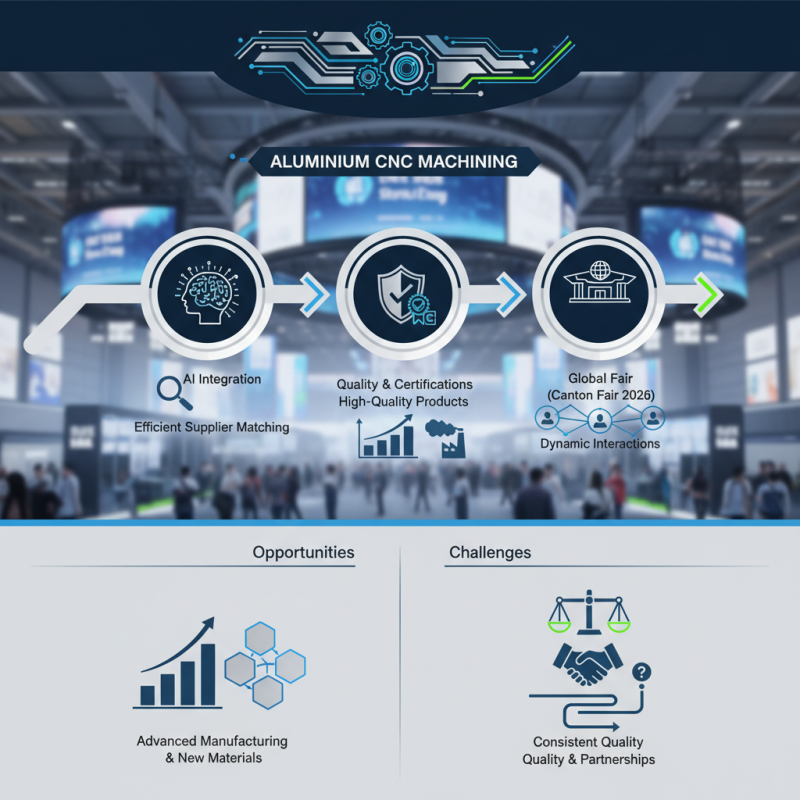
Aluminium Cnc Machining stands out as a leading technology for manufacturing precision components. At the upcoming 2026 Canton Fair, this process will be a focal point for many exhibitors. The fair takes place from April 15 to May 5, showcasing innovations in advanced manufacturing and new materials.
With the integration of AI technology, the event enhances efficiency. Buyers can quickly find suppliers who meet specific qualifications, like ISO and CE certifications. This capability is crucial for industries relying on Aluminium CNC machining to deliver high-quality products. The vast exhibition space of 1.55 million square meters will allow for dynamic interactions.
However, challenges remain. Not every supplier excels in maintaining consistent quality. Potential buyers must tread carefully in their evaluations. The fair provides an excellent opportunity to engage with various suppliers but requires thoughtful consideration. Analyzing capabilities and past performance is vital for successful partnerships in Aluminium CNC machining.
Why Aluminium CNC Machining is Essential for Modern Manufacturing Needs
Aluminium CNC machining is increasingly becoming essential in modern manufacturing. This lightweight yet strong material boasts excellent corrosion resistance and high thermal conductivity. According to recent industry reports, the global CNC machining market is expected to reach $3.68 billion by 2026. This growth underscores the demand for high-quality, precision components.
Aluminium is preferred in various sectors, including aerospace, automotive, and electronics. Its versatility allows for complex geometries and tight tolerances. For instance, aerospace parts require high precision to ensure safety and performance, making aluminium CNC machining a top choice. Moreover, aluminium's recyclability aligns with sustainability goals, making it economically viable in the long run.
Tips: When selecting aluminium for your CNC machining projects, consider the alloy type. Different alloys provide varying degrees of strength and workability. Additionally, keep in mind that while aluminium is excellent for many applications, it may not be suitable for extremely high-stress environments. Use proper tools and techniques to avoid deformation. This ensures you achieve the highest quality in your manufacturing processes.
Key Advantages of Using Aluminium in CNC Machining Processes
Aluminium has emerged as a preferred material in CNC machining, especially in events like the 2026 Canton Fair. Its lightweight nature is a crucial factor. This allows for easier handling, faster production, and reduced transportation costs. However, lighter materials can sometimes lead to concerns about strength and durability. Balancing these properties is essential for achieving optimal results.
In addition to its weight, aluminium offers excellent thermal conductivity. This property is valuable in processes where heat dissipation is crucial. However, working with aluminium requires precise machining techniques to maintain quality. Heat can warp the material, affecting the final product. Using proper tools and settings can mitigate such issues and enhance overall efficiency.
Another significant advantage is the corrosion resistance of aluminium. This quality keeps products looking new for longer periods, which is appealing to manufacturers. Despite its benefits, flexibility in design can be a double-edged sword. Achieving intricate designs can sometimes lead to machining challenges. Continuous innovation in techniques is necessary to refine the process and address these potential pitfalls.
Why Choose Aluminium CNC Machining at 2026 Canton Fair? - Key Advantages of Using Aluminium in CNC Machining Processes
| Advantage | Description | Applications | Benefits |
| Lightweight | Aluminium is significantly lighter than steel and other metals, making products easier to handle. | Aerospace components, automotive parts. | Improves fuel efficiency and reduces material costs. |
| Corrosion Resistance | Aluminium naturally forms a protective oxide layer, enhancing its durability in various environments. | Outdoor applications, marine equipment. | Longer lifecycle with lower maintenance costs. |
| Machinability | Aluminium is easy to machine, allowing for high precision in CNC processes. | Precision parts for electronics, automotive, and medical devices. | Enhances production efficiency and reduces waste. |
| Recyclability | Aluminium can be recycled without loss of properties. | Sustainable projects and green manufacturing. | Supports environmental sustainability efforts and reduces raw material costs. |
| Thermal Conductivity | Aluminium has excellent thermal conductivity, making it ideal for heat exchangers. | Electronics, HVAC systems. | Improves efficiency in thermal applications and reduces energy consumption. |
Market Trends: The Rise of Aluminium Demand in the Manufacturing Sector
The demand for aluminium in the manufacturing sector is growing rapidly. This shift is influenced by its lightweight nature and durability. Industries increasingly prefer aluminium components due to fuel efficiency needs. Transportation, aerospace, and automotive sectors are significant contributors to this trend.
Aluminium CNC machining is becoming essential in meeting demand. Its precision enhances product quality, addressing concerns about defects. However, not all manufacturers adapt easily to this technology. Some face challenges in scaling production. There is a need for better training and investment in advanced equipment.
There are also environmental considerations. Aluminium is highly recyclable, making it a sustainable choice. Yet, production can be energy-intensive. Striking a balance between demand and environmental impact remains a challenge for many industries. As we approach the Canton Fair in 2026, these issues will be crucial for discussion.
CNC Machining Industry Growth: Supporting Data from Recent Reports
The CNC machining industry is booming. Recent reports indicate a steady growth trajectory. In 2026, this trend is unlikely to slow down. Aluminium CNC machining plays a crucial role in this growth. Its lightweight and corrosion-resistant properties make it a popular choice among industries. From aerospace to automotive, the demand for precision parts is increasing.
Market studies show a significant rise in CNC machining applications. Experts predict a 15% increase in demand over the next few years. However, not all manufacturers may capitalize on this trend. Some might struggle with the learning curve of advanced technologies. Investing in skilled labor and modern machines is essential for success. Companies need to adapt quickly or risk falling behind.
Aluminium offers unique challenges. Machining it requires precise techniques and tools. Some manufacturers may overlook the importance of quality control. This can lead to defects, affecting the final product. Continuous improvement is necessary. Embracing new technologies and training is vital. The growth in this sector is promising, but careful consideration is needed to maintain standards.
Innovations in Aluminium CNC Machining Technology for 2026 Budget Planning
At the 2026 Canton Fair, aluminium CNC machining stands out due to its innovative technologies. The industry is seeing advancements that improve efficiency and precision. New tools and software are enhancing the machining process. This leads to better product quality and reduced waste. Manufacturers are keen on adopting these innovations for budget planning.
While these technologies promise many benefits, challenges remain. Not all companies may adapt quickly to these changes. Some may struggle with integrating new systems into their workflow. It's crucial for businesses to evaluate their readiness for such transformations. The financial investments can be significant, and the return on investment may not be immediate. Companies must balance innovation with practical budget constraints.
Innovation is exciting, but it can also be daunting. The rapid pace of development in aluminium CNC machining means businesses must stay updated. Regular training and professional development become essential. This ensures that workers can competently use new technologies. Reflecting on these aspects will help businesses make informed decisions at the fair.