


China Top 10 Electric Fuel Pump Manufacturers for Global Buyers

Choosing an electric fuel pump is not a simple catalog exercise. For global buyers, supplier selection also involves stable output, fitment accuracy, testing discipline, and dependable communication. A pump must deliver fuel consistently under changing temperatures and operating conditions. Small details matter: connector shape, outlet position, pressure range, and the sound of a pump running in a test tank.

Automotive engineering authority John B. Heywood is best known for his work on engines and combustion, rather than pump manufacturing. A fair paraphrase of his systems-level perspective is: “Judge fuel delivery as part of the complete engine system, not by pump specifications alone.” That distinction matters. A strong flow-rate figure may look impressive, yet it does not confirm vehicle compatibility or long-term durability.

This guide introduces ten Chinese Electric Fuel Pumps manufacturers for international buyers. It considers product range, manufacturing capability, quality controls, and export readiness, while recognizing that public information can be incomplete. Some details deserve direct confirmation. Ask for test data, applicable vehicle references, traceability records, and sample evaluation before placing a large order. A polished brochure is not proof. Nor is a low quote.

The aim is practical comparison, not an automatic endorsement. Buyers should match each supplier’s evidence to their own application and service needs. One overlooked connector can delay an installation. And supplier claims still need checking.
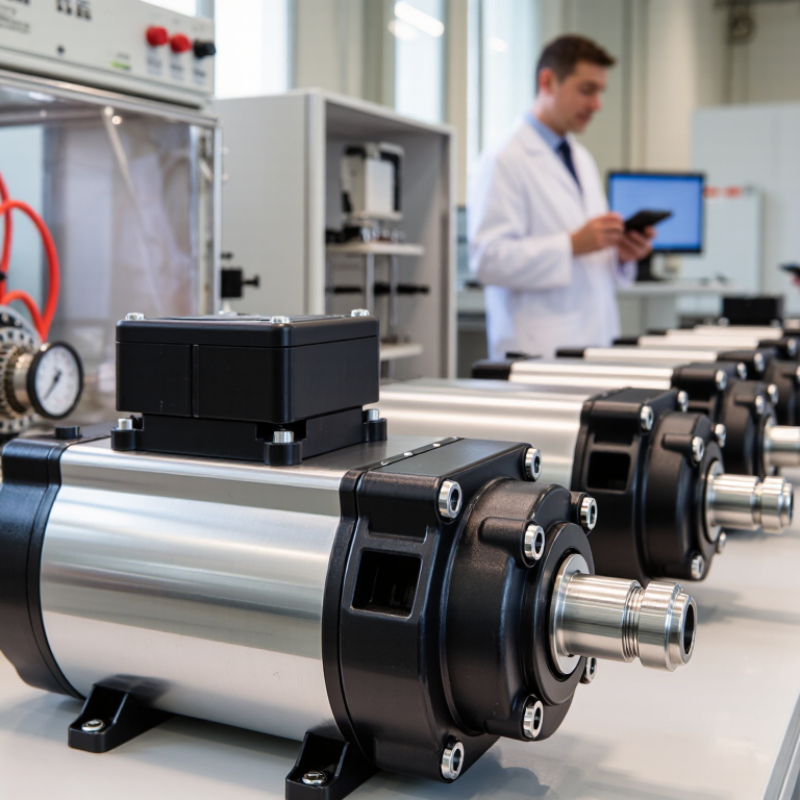
China Top 10 Electric Fuel Pump Manufacturers for Global Buyers

Electric Fuel Pump Fundamentals: 12-V Systems, Flow, Pressure, and Duty Cycle

A 12-V electric fuel pump does not always receive exactly 12 volts. Battery condition, wiring resistance, and connector quality can lower voltage at the pump, especially under load. A technician should measure voltage while the pump is running, not rely on a resting battery reading. Small details matter. A weak ground can make a healthy pump seem inadequate.

Flow and pressure describe different parts of pump performance. Flow is the volume delivered over time; pressure is the resistance the pump must overcome. A pump may show strong free-flow output but deliver less when connected to an engine’s fuel system. Check specifications at the required operating pressure, and consider the regulator and fuel lines too.

Heat changes things. In many systems, fuel helps cool the pump, while pulse-width modulation adjusts output by changing its duty cycle. That percentage is not a universal measure of pump strength; control strategy and test conditions matter. I’ve seen a tidy flow number mislead a buyer when the test pressure was missing. It is an easy detail to overlook.

Pressure Benchmarks: 3–6 bar for PFI and Up to 350 bar for GDI

For global buyers comparing electric fuel pumps, pressure is a working specification, not a marketing shortcut. Port fuel injection (PFI) commonly operates around 3–6 bar, while gasoline direct injection (GDI) systems can require pressures up to 350 bar. SAE International technical papers on gasoline injection systems document the high-pressure demands of GDI; the exact requirement depends on engine design and operating conditions. That gap matters.

At a test bench, a PFI pump should hold stable pressure as flow demand changes. Watch for a wandering gauge needle, slow pressure recovery, or a hot electrical connector after sustained operation. GDI supply systems need separate attention: the in-tank electric pump feeds a high-pressure pump, so the electric pump does not itself deliver 350 bar. SAE technical literature on GDI system architecture supports this distinction. Not a minor detail.

For sourcing, request pressure-flow curves at specified voltage and fuel temperature, plus endurance-test conditions. A single maximum-pressure figure tells little about usable flow. I may be simplifying the comparison: vehicle calibration, fuel lines, and filter restriction all affect results. Buyers should compare test data against the target application, not just the headline bar rating.

China’s Top 10 Electric Fuel Pump Manufacturers: Products and Capabilities

China’s top ten electric fuel pump manufacturers differ in more than price and catalog size. Their product ranges may include in-tank and inline pumps, replacement modules, and pumps for different flow and pressure requirements. Buyers should match each unit to the vehicle’s voltage, fuel system, connector, and installation space. A pump that fits physically may still deliver unsuitable pressure.

Manufacturing capabilities matter too. Look for controlled winding, precise impeller or rotor assembly, consistent sealing, and documented flow testing. Ask whether the supplier can provide performance curves, operating-temperature data, and sample inspection records. These details help reveal how a pump behaves beyond a brief bench test. Noise and heat deserve attention.

Factory claims are not the whole story. That is easy to miss. Request samples from the intended production line, then check current draw, pressure stability, and sound under repeatable conditions. Also confirm how the manufacturer handles batch traceability and product changes. A neat specification sheet cannot predict every vehicle’s real-world behavior. Some gaps remain, so compare evidence before placing a large order.

Electric Fuel Pump Applications: Typical Supply Pressure Ranges

A market-wide comparison of indicative low-pressure fuel supply ranges—not manufacturer-specific specifications. Actual requirements vary by vehicle and system design.

Pressure ranges are approximate and shown in bar. Confirm operating requirements against the specific vehicle or system specification.

Supplier Qualification: IATF 16949, ISO 9001, Testing, and Traceability

For global buyers assessing electric fuel pump manufacturers, qualification should begin with the production site, not a certificate image. IATF 16949 and ISO 9001 can indicate structured quality systems, but buyers should verify certificate validity, scope, and site address. Ask how the supplier controls design changes, incoming materials, and nonconforming parts. Paper is not proof. A useful audit follows one pump from its component records through assembly and final inspection. Look for clear work instructions at the line, not just polished documents in a meeting room. Even a capable factory may have gaps between its written process and daily practice; that deserves a direct question.

Testing should reflect the pump’s intended operating conditions. Request documented checks for flow, pressure, current draw, leakage, and noise, with agreed acceptance limits. Ask whether samples undergo temperature cycling, vibration, and endurance tests, and how test equipment calibration is tracked. Results should identify the test date, method, and sample lot. Traceability matters when a field issue appears: the supplier should connect a finished unit to its production batch and relevant component lots without relying on memory. Review a redacted sample report and follow a lot code backward. No audit removes every risk, and a single passing sample cannot establish long-term consistency. Buyers should compare records across multiple production lots and clarify how corrective actions are verified.

Global Buyer Checklist: Fitment, Compliance, Warranty, and After-Sales Support

For global buyers comparing Chinese electric fuel pump manufacturers, fitment evidence should come before price. Request cross-reference numbers, vehicle year, engine code, connector photos, and operating-pressure and flow-rate curves. A catalog match alone is not proof. Ask whether the pump was tested with the actual fuel type and tank configuration; small differences can cause installation delays or poor performance.

Vehicle age makes accurate replacement data important. S&P Global Mobility reported that the average age of U.S. light vehicles reached 12.6 years in 2024. That figure signals a large replacement market, but it does not validate any supplier’s fitment claims. Check sample units against the target vehicle, then record any exceptions. It is easy to overlook this step when a delivery deadline is close.

Compliance documents should identify the product, test method, and destination market—not just display a certificate. Ask for applicable material, electrical, and environmental test records, and verify the issuing body independently. Warranty terms should spell out coverage, exclusions, claim deadlines, and who pays return freight. Also confirm response times, replacement-part availability, and technical support across time zones. Get it in writing. One uncomfortable point: a low quote can conceal weak documentation or slow claim handling, and a polished brochure cannot settle that risk.