

10 Car Light Buying Tips for Global Buyers?

Buying a car light for international use involves more than choosing a bright design. Buyers must consider vehicle fitment, beam performance, materials, packaging, and long-term reliability. A lamp that works well on a dry road may perform poorly in heavy rain, snow, dust, or extreme heat. Small details matter.

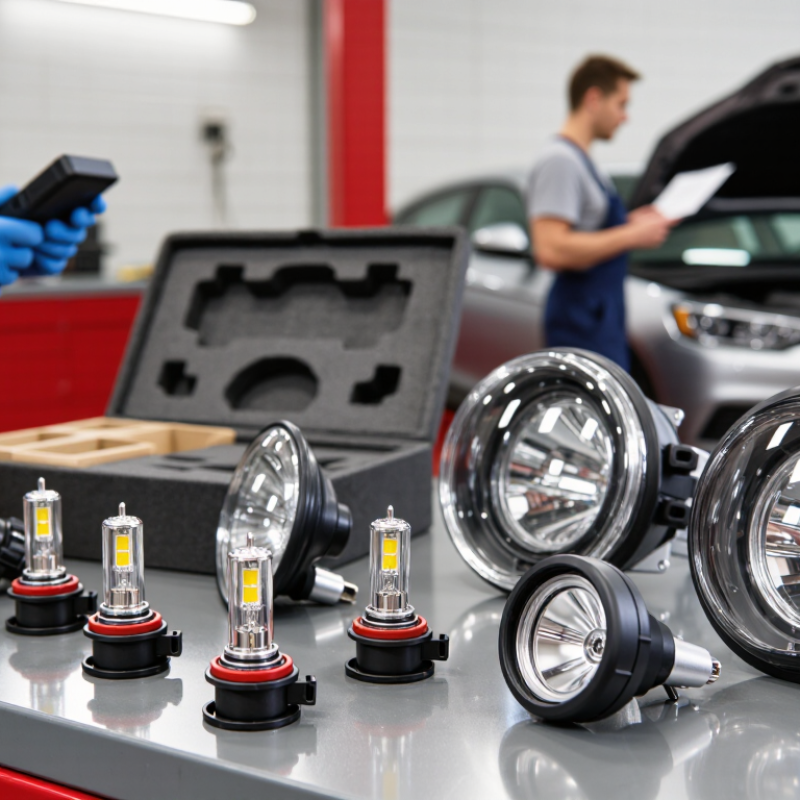
This guide presents ten practical buying tips for global customers. It draws on common purchasing experience, product evaluation methods, and supplier verification practices. Check the bulb type, connector, voltage, housing dimensions, and mounting points before placing an order. Ask for test reports, installation instructions, warranty terms, and clear product photographs. A reputable seller should explain manufacturing details instead of making vague claims.

Regional requirements can differ, so buyers should confirm applicable vehicle lighting standards before importing or installing any car light. Do not rely only on online reviews or attractive packaging. Compare beam patterns, sealing quality, heat management, and replacement support. Shipping damage is another overlooked risk; strong cartons and protective foam can prevent cracked lenses and bent brackets.

Mistakes happen.

Even experienced buyers may overlook a connector difference or assume universal compatibility. That assumption can become expensive after delivery. A careful checklist reduces uncertainty, although it cannot remove every risk. Use the following tips to ask better questions, compare suppliers fairly, and choose lighting equipment suited to your vehicle, climate, road conditions, and market requirements.
10 Car Light Buying Tips for Global Buyers?

Define Your Vehicle’s Lighting Requirements

10 Car Light Buying Tips for Global Buyers

Define Your Vehicle’s Lighting Requirements

Before buying car lights, identify where and how the vehicle operates. Urban streets need sharp cut-off beams, while rural roads require longer forward visibility. Heavy rain, snow, dust, and frequent temperature changes also affect the correct housing and lens design.

The World Health Organization’s Global Status Report on Road Safety 2023 estimates 1.19 million road deaths each year. NHTSA’s Traffic Safety Facts reports that about half of U.S. traffic fatalities occur at night, although nighttime driving represents far less travel. These figures make lighting performance more than a styling choice. Measure the original lamp’s beam pattern, mounting points, connector type, power demand, and adjustment range. Check whether the vehicle uses left-hand or right-hand traffic.

Do not judge a lamp by brightness alone. Excessive glare can reduce safety for approaching drivers. Ask for photometric test results, color stability data, thermal testing, and electromagnetic compatibility evidence. In wet regions, confirm the enclosure’s ingress protection level. In cold climates, inspect sealing materials and heat management. UNECE lighting regulations and local approval requirements may differ by market, so verify the target country before purchasing.

A practical mistake is trusting advertised lumens without checking beam distribution. I have seen bright lamps perform poorly on the road. Vehicle age, wiring condition, and dashboard controls also matter. Define the real driving environment first; the correct light should fit the vehicle, climate, traffic side, and legal market.
Check Legal Standards and Road-Use Regulations

10 Car Light Buying Tips for Global Buyers

Check Legal Standards and Road-Use Regulations

In practical purchasing work, I have seen buyers compare brightness before checking road legality. That order creates expensive problems. Rules differ. A light approved for one country may fail inspection elsewhere. Confirm the destination country’s requirements before choosing a product. Check the required certification, test reports, beam pattern, color, intensity, and mounting position. Keep every document.

Ask whether the light is approved for public roads, not only for private or display use. Read the installation rules carefully. Some regions control daytime running lights, fog lights, turn signals, and rear lamps differently. Beam direction matters because poorly aimed light can glare into oncoming traffic. Check the voltage, wiring protection, and electromagnetic compatibility requirements. Fitment is not compliance.

Request clear product markings and traceable testing records from the seller. Avoid vague claims such as “universal legal approval.” Verify the approval number through an official transport or testing authority when possible. Import labels may also require local language information. A professional installer can check height, spacing, wiring, and aiming after installation. Take photos before shipping, including labels and connectors. That evidence may help during customs checks or later inspections.

I once focused too much on appearance and underestimated documentation. That mistake is costly. Regulations can change, and online descriptions may remain outdated. Recheck the rules shortly before purchase. When uncertain, contact the vehicle inspection office or a qualified local technician. Clearance is never guaranteed by brightness alone.

Compare Light Types, Features, and Performance

Choosing car lights starts with the beam, not the marketing label.

Halogen lamps remain affordable and produce warm light, but they consume more power. The U.S. Department of Energy reports that LED lighting uses at least 75% less energy than incandescent lighting. Automotive LEDs also switch on instantly and can last longer. Their heat management still matters. Poor cooling may reduce real-world performance.

High-intensity discharge lamps can deliver strong forward illumination, but they need a ballast and brief warm-up time. LED systems usually offer sharper beam control and compact packaging. Adaptive or matrix systems can change sections of the beam around traffic. However, their performance depends on calibration, sensors, and software.

More features do not always mean better visibility. I have seen expensive systems produce distracting glare after incorrect adjustment.

Compare measured beam distance, low-beam width, glare control, and performance in rain. The Insurance Institute for Highway Safety evaluates headlights through roadway illumination and glare tests, showing major differences between systems. Check its headlight ratings rather than trusting brightness claims. Also review United Nations lighting regulations or the destination market’s approval requirements. A lamp may fit physically but fail the required beam pattern. Color temperature deserves restraint. Extremely white light can look impressive, yet a slightly warmer beam may reveal road texture better in fog. Check replacement cost, connector type, warranty terms, and service access before buying. The brightest option is not always the safest choice.

Verify Compatibility, Quality, and Installation Needs

10 Car Light Buying Tips for Global Buyers

Buying car lights across borders requires more than matching a product photo. Check the exact bulb type, housing shape, connector, voltage, and polarity. Some vehicles also need compatible electronic control systems to prevent dashboard warnings. Measure the original lamp before ordering. A small mismatch can create major installation trouble.

Tips: Request clear specifications, wiring diagrams, beam-pattern details, and installation instructions. Confirm whether the light is designed for your vehicle’s left- or right-hand traffic system. Check local road-lighting requirements before purchase. Do not assume international shipping means universal compatibility. I once saw a replacement lamp fit physically but produce poor illumination because its beam pattern was wrong.

Quality is visible in practical details. Look for secure seals, stable terminals, heat-resistant materials, and consistent light output. Ask whether the product has been tested for vibration, moisture, and temperature changes. A low price may hide weak housing or unreliable wiring. Read the warranty conditions carefully, including return costs and technical support. Installation can require tools, adapters, relay protection, or professional alignment. After fitting, inspect the beam on a flat wall at night. It should illuminate clearly without dazzling other drivers. Recheck the connections after driving over rough roads. Small oversights matter.

10 Car Light Buying Tips for Global Buyers

Use this relative buyer-risk score to prioritize compatibility, quality, compliance, and installation checks before ordering automotive lights internationally.

How to use this chart: Start with the highest-scoring checks. Confirm the vehicle model and lamp position, nominal voltage, connector type, beam pattern, legal approval requirements, weather resistance, heat management, and installation space before purchase.

Evaluate Suppliers, Costs, Warranty, and Global Shipping

10 Car Light Buying Tips for Global Buyers

Reliable car light sourcing starts with supplier verification. Request business registration, factory photos, test reports, and recent export references. Ask whether production is in-house or outsourced. That detail can affect quality control and delivery speed. Compare samples under daylight and night conditions. Check beam pattern, brightness, sealing, connectors, mounting points, and material thickness. A polished sample proves little. Inspect the packaging too.

Calculate the complete landed cost, not only the unit price. Include tooling, sample fees, packaging, freight, insurance, customs charges, and local handling costs. Request quotations under clear Incoterms, such as FOB or DAP, so responsibilities remain visible. Confirm carton dimensions and gross weight before booking shipping. Small errors can create expensive freight adjustments. Do not ignore currency changes. They can quietly reduce your margin.

A practical warranty should state coverage, claim evidence, response time, and replacement procedures. Ask how defects are recorded and who pays return freight. Confirm production lead time, minimum order quantity, spare parts, and shipment tracking. Use a pre-shipment inspection when the order is large. It may feel unnecessary, especially after receiving a good sample. That assumption can be costly. Global buyers should also verify destination documentation and import requirements with a qualified local professional. Suppliers may promise “worldwide delivery,” but that phrase lacks detail. Get every promise in writing.