10 Best Industrial Light Solutions for Modern Workspaces in 2023
In the ever-evolving landscape of modern workspaces, the significance of effective lighting solutions cannot be overstated. Industrial light plays a crucial role in enhancing productivity, ensuring safety, and creating an aesthetically pleasing environment for employees. As companies strive to optimize their facilities for both functionality and comfort, the demand for innovative lighting solutions has surged. The right industrial lighting not only illuminates work areas but also influences mood and influences overall workplace dynamics.
In 2023, the trend towards modern workspaces embraces a blend of aesthetics and practicality, pushing organizations to reconsider their lighting choices. From open-plan layouts to collaborative hubs, each workspace presents unique challenges that can be effectively addressed through the use of advanced industrial light technology. This guide explores the ten best industrial light solutions for contemporary work environments, reflecting the latest advancements and design principles that prioritize efficiency and style. As you delve into the array of options available, consider how these lighting solutions can transform your workspace into a more vibrant and productive setting.
Top Considerations When Choosing Industrial Lighting Solutions
When selecting industrial lighting solutions for modern workspaces, several key considerations come into play to ensure optimal functionality and safety. Firstly, illumination quality is crucial; research indicates that proper lighting can increase worker productivity by up to 20%. This underscores the importance of choosing lighting that not only meets the required brightness levels but also minimizes glare and enhances visibility. In environments such as factories and warehouses, where tasks can be intricate, ensuring the right color temperature is equally vital. Studies show that lighting within the range of 4000K to 5000K is ideal for most industrial applications, as it helps reduce eye strain and fatigue, contributing to a healthier workplace.
Another essential factor to consider is energy efficiency. According to the U.S. Department of Energy, lighting comprises about 15% of the total energy used in industrial settings. Utilizing LED lights over traditional fluorescent options can yield significant energy savings—up to 75%—while also offering a longer lifespan and lower maintenance costs. Additionally, incorporating smart lighting controls, such as motion sensors and dimming features, can further enhance energy savings and adapt lighting to the specific needs of different work areas. By prioritizing these aspects when selecting industrial light solutions, facilities can create a more effective and sustainable working environment.
Popular Types of Industrial Lighting Used in Modern Workspaces
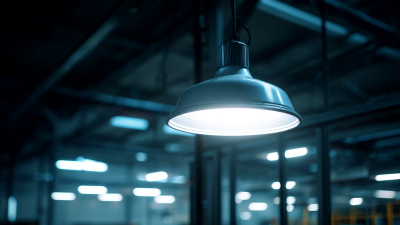
When it comes to modern workspaces, the right lighting is crucial for enhancing productivity and creating a dynamic environment. Industrial lighting has emerged as a popular choice, owing to its functional yet stylish designs. Among the variety of options available, pendant lights stand out for their ability to provide focused illumination while adding a touch of character to any space. These fixtures can be suspended at varying heights, making them ideal for open office layouts, meeting areas, or even break rooms.
Another prevalent type of industrial lighting is track lighting, which offers versatility and adaptability. It allows users to direct light exactly where it’s needed, making it perfect for studios or collaborative workspaces that require careful lighting control. With adjustable fixtures, employees can easily create the desired ambiance for presentations or brainstorming sessions. Moreover, the robust construction of industrial lighting designs ensures durability, making them well-suited for high-traffic environments while seamlessly complementing the aesthetic of contemporary workplaces.
Top 10 Industrial Light Solutions for Modern Workspaces in 2023
Benefits of LED Technology in Industrial Lighting
The rapid evolution of LED technology has brought significant enhancements to industrial lighting, making it an indispensable solution for modern workspaces. One of the primary benefits of LED lighting is its energy efficiency. Compared to traditional lighting solutions, LEDs consume significantly less power while providing the same—or even enhanced—light output. This not only translates to lower electricity bills but also contributes to a reduced carbon footprint, aligning with many companies' sustainability goals.
Additionally, LED lights possess a longer lifespan, which means reduced maintenance costs and fewer replacements. This durability is essential in industrial settings where downtime can be costly. LEDs also offer improved color rendering capabilities, enhancing visibility and reducing eye strain for workers. As a result, better lighting conditions can lead to increased productivity and workplace safety. Furthermore, the ability to dim or control LED lighting systems remotely allows companies to tailor their lighting environment to specific tasks, fostering a more adaptable and efficient workspace.
10 Best Industrial Light Solutions for Modern Workspaces in 2023 - Benefits of LED Technology in Industrial Lighting
| Model |
Type |
Lumens Output |
Energy Efficiency (W/ft²) |
Lifespan (hours) |
Benefits |
| Model A |
LED High Bay |
22,000 |
0.5 |
50,000 |
High light output, energy savings |
| Model B |
LED Troffer |
3,600 |
0.6 |
50,000 |
Direct lighting, low glare |
| Model C |
LED Floodlight |
30,000 |
0.4 |
50,000 |
Wide coverage, weather-resistant |
| Model D |
LED Panel |
5,000 |
0.7 |
50,000 |
Sleek design, uniform light distribution |
| Model E |
LED Street Light |
15,000 |
0.3 |
100,000 |
Long lifespan, reduces light pollution |
| Model F |
LED High Mast |
60,000 |
0.25 |
100,000 |
High intensity, enhances security |
Innovative Design Features in Contemporary Industrial Light Fixtures
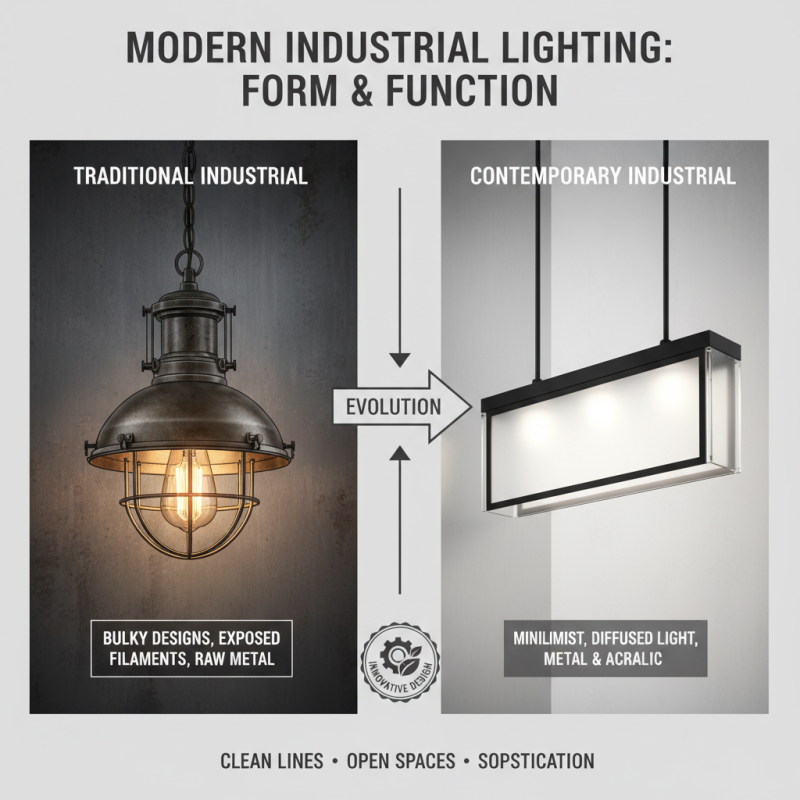
Contemporary industrial light fixtures have evolved significantly, incorporating innovative design features that enhance both functionality and aesthetics in modern workspaces. One prominent trend is the blend of minimalist styles with industrial materials, creating a visual harmony that appeals to many designers and architects. For instance, the combination of raw metals with sleek glass or diffused acrylic not only provides ample lighting but also adds a touch of sophistication to any environment. This approach emphasizes clean lines and open spaces, making it ideal for contemporary office layouts.
Another notable feature is the integration of smart technology into industrial lighting solutions. Many fixtures now offer adjustable brightness and color temperature, allowing users to customize their lighting according to the time of day or specific tasks. This adaptability promotes a more productive workspace by accommodating various activities, from collaborative meetings to focused individual work. Additionally, energy-efficient options, such as LED technology and solar-powered designs, minimize environmental impact while reducing operational costs, making them an excellent choice for eco-conscious businesses. The innovative features of modern industrial light fixtures not only enhance the visual appeal of workspaces but also prioritize functionality and sustainability.
Sustainable Practices in Industrial Lighting for Eco-Friendly Workspaces
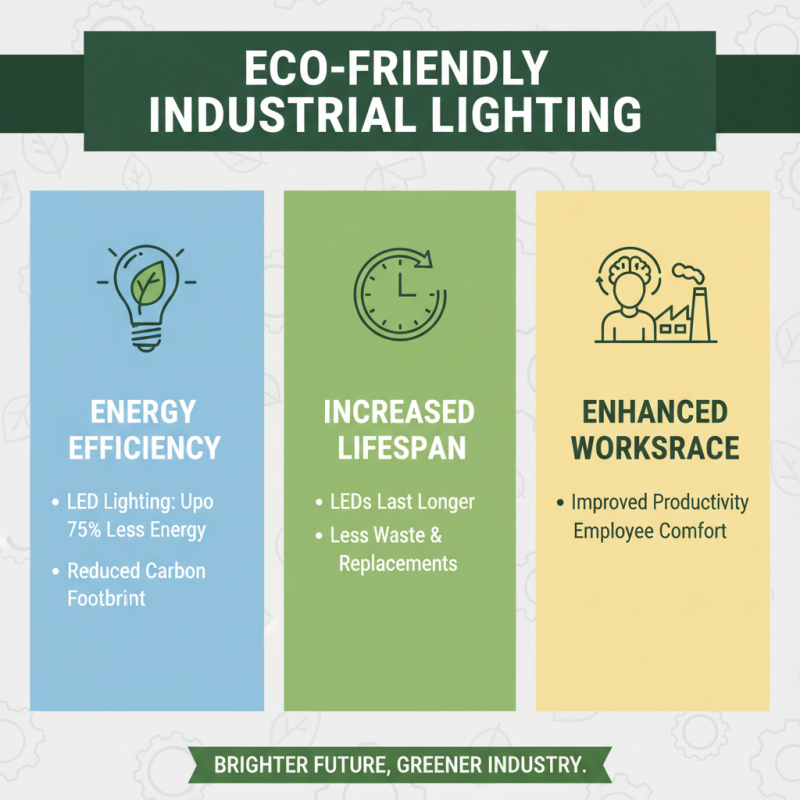
Sustainable practices in industrial lighting have become essential for creating eco-friendly workspaces. By focusing on energy-efficient technologies, businesses can significantly reduce their carbon footprint while enhancing the productivity and comfort of their employees. One of the most effective methods is to utilize LED lighting, which consumes up to 75% less energy compared to traditional incandescent bulbs and has a longer lifespan, reducing waste.
Tips for implementing sustainable lighting solutions include integrating smart lighting controls, such as motion sensors and timers, which ensure that lights are only on when needed. Additionally, consider natural lighting options, such as skylights and large windows, which not only decrease energy consumption but also improve the overall atmosphere of the workspace. Using light-colored surfaces can also maximize natural light, reducing the reliance on artificial lighting during the day.
Another key practice is to regularly review and upgrade existing lighting systems to align with the latest energy-efficient technologies. Retrofitting older fixtures with more efficient bulbs or investing in modular systems that can adapt to changing needs can lead to significant savings on energy bills. By prioritizing sustainability in lighting strategies, companies can foster a greener work environment while simultaneously cutting costs.