Best Industrial Light Solutions for Efficient Workspaces
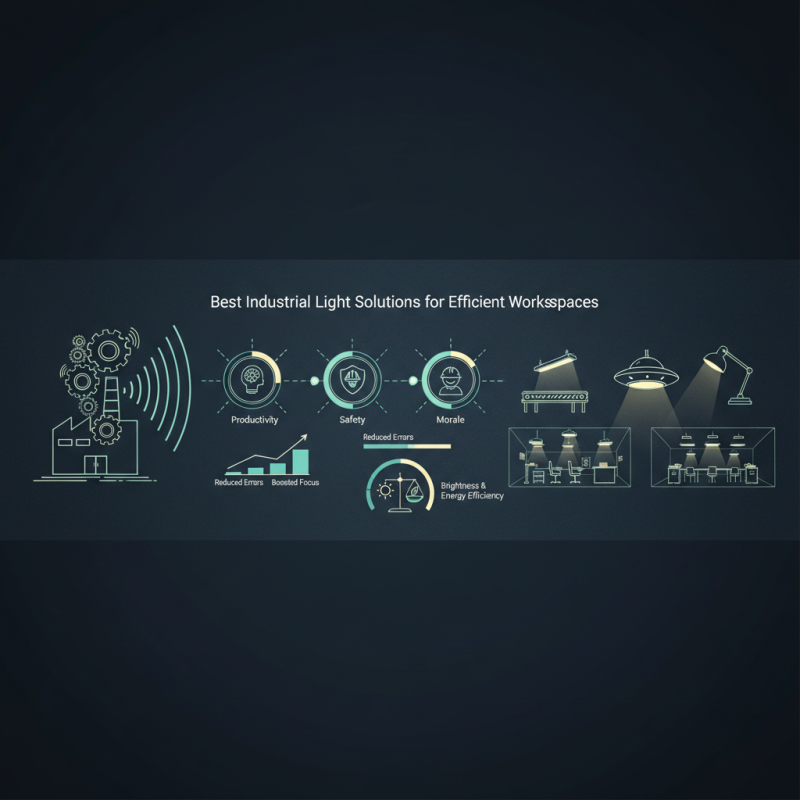
In today's fast-paced work environment, efficient lighting solutions are essential. Industrial light plays a crucial role in enhancing productivity and safety. Proper illumination can reduce errors and boost morale among workers.
When considering industrial light, it’s important to focus on the quality and placement of fixtures. Many workplaces suffer from inadequate lighting. Poorly lit areas can lead to fatigue and hinder performance. Employees might feel unmotivated in dim environments.
Utilizing the right industrial light can transform a workspace. Bright, even lighting improves visibility and focus. However, not all solutions work for every facility. Reflecting on individual needs is key. Balancing brightness and energy efficiency should be a priority.
Best Industrial Light Solutions for Efficient Workspaces
Creating efficient workspaces is vital for productivity. The right industrial lighting plays a significant role. Effective lighting enhances visibility and reduces eye strain. Without proper lighting, mistakes can happen easily. Shadows in work areas can lead to accidents. It's essential to find a balance between brightness and comfort.
Tips:
1. Consider adjustable light sources. They allow for tailored lighting based on tasks.
2. Use LEDs to save energy. They consume less electricity and last longer.
3. Position lights to avoid glare on screens or work surfaces. This prevents distractions.
Evaluate the existing lighting in your workspace. Are there areas too dim? Perhaps the overhead lights are too harsh. Revisiting these details can significantly improve the environment. Check for issues like flickering lights, which could disrupt focus. Sometimes, simple changes bring the best results.
Understanding the Impact of Lighting on Workplace Productivity and Safety
Lighting is a crucial factor in shaping workplace productivity and safety. Poor lighting can lead to eye strain and fatigue. Workers may struggle to focus, which could compromise their efficiency. Bright, well-distributed lights reduce such risks. They create an inviting environment that encourages engagement.
In contrast, dim environments can foster distraction. Employees might feel lethargic or lose motivation. Harsh lighting, however, can cause discomfort and headaches. It’s essential to strike a balance. Natural light should be used whenever possible. It uplifts the mood and enhances overall well-being.
Reflecting on these factors is vital. Not all spaces benefit equally from the same lighting solutions. It’s important to assess specific needs. Consider work tasks and individual preferences. Employees might have unique reactions to different lighting types. Fine-tuning these choices can lead to a more efficient workspace.
Best Industrial Light Solutions for Efficient Workspaces
| Lighting Type |
Lumens (Brightness) |
Color Temperature (Kelvin) |
Energy Efficiency (Wattage) |
Lifespan (Hours) |
| LED High Bay Lights |
15,000 - 30,000 |
4000 - 5000 |
100 - 200 |
50,000 |
| Fluorescent Tube Lights |
2,500 - 3,500 |
3500 - 4100 |
40 - 60 |
15,000 |
| Metal Halide Lights |
10,000 - 20,000 |
3500 - 5500 |
250 - 400 |
15,000 |
| Panel Lights |
3,500 - 6,000 |
3000 - 4000 |
30 - 70 |
50,000 |
| Task Lighting |
1,000 - 2,500 |
4000 - 5000 |
15 - 25 |
25,000 |
Types of Industrial Lighting: LED, Fluorescent, and HID Explained
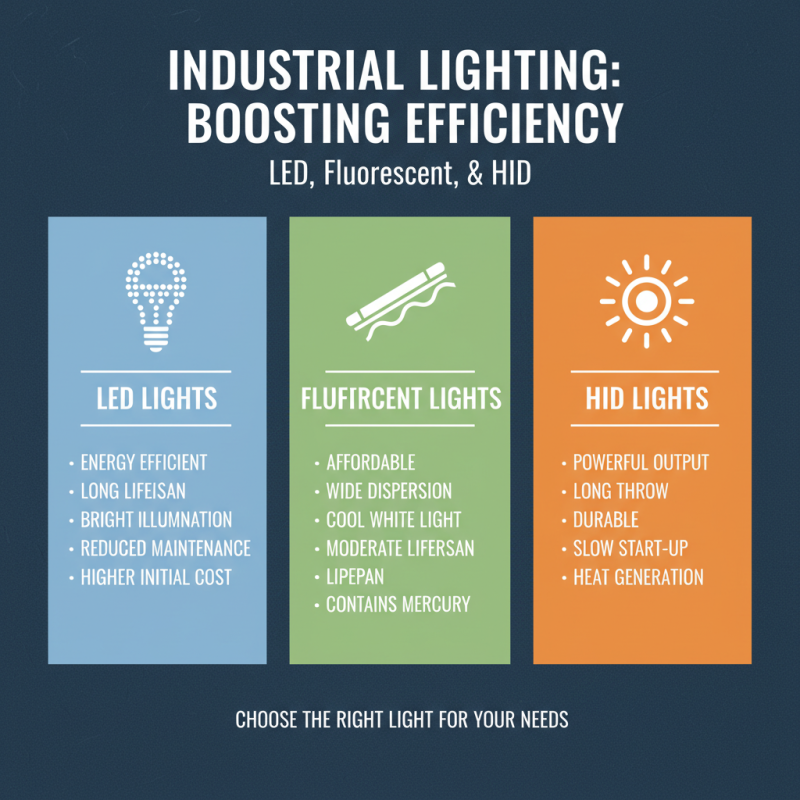
Industrial lighting plays a crucial role in workspace efficiency. Among the most common types are LED, fluorescent, and HID lights. Each type offers unique advantages tailored to specific needs. LED lights are energy-efficient and have a long lifespan. They provide bright illumination and reduce maintenance costs significantly. However, they can be pricier upfront than other options.
Fluorescent lights are more affordable and commonly used in many work environments. They provide good brightness and are eco-friendly. Still, they may flicker or degrade over time, causing eye strain. Many find their color quality less appealing than LEDs. High-Intensity Discharge (HID) lights deliver intense brightness, ideal for large spaces. However, they take time to warm up, which can be inconvenient in fast-paced settings. Each type needs careful consideration based on your workspace's requirements.
Energy Efficiency in Industrial Lighting: Statistics and Cost Benefits
Energy efficiency in industrial lighting plays a crucial role in reducing operational costs. According to the U.S. Department of Energy, businesses can save up to 50% on lighting energy costs by upgrading to energy-efficient solutions. This statistic highlights the potential for substantial savings. Poor lighting not only increases costs but can also hinder productivity.
A study from the Lighting Research Center indicates that proper lighting can enhance worker productivity by 20%. Efficient lighting design minimizes shadows and flickering, which can cause eye strain. Inadequate lighting can lead to accidents, affecting worker safety. Statistics show that workplaces with proper lighting report 30% fewer workplace accidents.
Further analysis shows that transitioning to LED lighting can quickly pay off. An industry report reveals that the average payback period for LED lighting is under two years. While initial costs might seem high, the long-term savings are undeniable. Many facilities overlook this critical investment. Balancing efficiency and cost can lead to both savings and improved worker satisfaction. Without proper evaluation, businesses may miss out on these significant benefits.
Conclusion
In today's industrial environments, effective lighting is crucial for enhancing productivity and safety. The article "Best Industrial Light Solutions for Efficient Workspaces" explores the significant impact of lighting on workplace dynamics, demonstrating that proper illumination can lead to improved employee performance and reduced accidents. It delves into various types of industrial light, including LED, fluorescent, and HID options, each offering unique benefits tailored to specific operational needs.
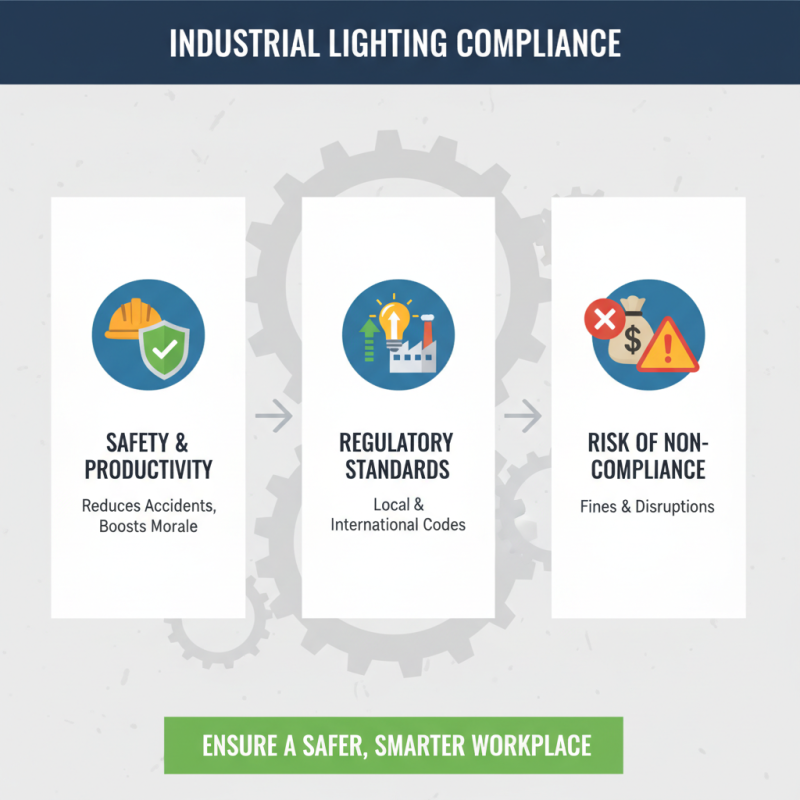
Furthermore, the piece highlights the importance of energy efficiency in industrial lighting, presenting statistics that showcase the cost benefits of modern lighting solutions. Compliance with regulatory standards is underscored, emphasizing the need for workplaces to meet safety guidelines. Lastly, innovative technologies such as smart lighting solutions are discussed, illustrating how they can optimize industrial environments for better efficiency and employee satisfaction. Overall, investing in the right industrial light solutions not only enhances operational effectiveness but also ensures a safer and more compliant workspace.