How to Choose the Best Home Lighting for Your Space?
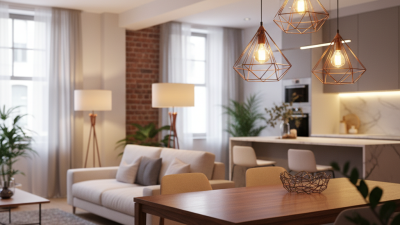
Choosing the right home lighting can transform any space. It affects mood, décor, and functionality. The right lights can brighten a room or create a cozy atmosphere. However, many people overlook this important aspect of interior design. They choose fixtures based on appearance alone, forgetting how light affects their daily lives.
Consider the size of your rooms. A small space may need different lighting than a large one. Use layered lighting for variety. Ambient, task, and accent lights serve different purposes. Look for fixtures that complement your style while also providing adequate illumination. However, finding a balance can be tricky.
Reflect on your needs. Do you work from home or entertain guests? Each situation demands a different lighting approach. Experiment with different types of bulbs. A warm glow may feel inviting, while bright white can energize a workspace. It’s essential to evaluate your preferences and adjust. Home lighting should enhance your living experience, not complicate it.
Understanding the Different Types of Home Lighting Fixtures
When considering home lighting, it's essential to understand the various types of fixtures available. Each type serves a different purpose and mood. For instance, ambient lighting provides overall illumination. This is typically achieved using ceiling-mounted fixtures. They can create a warm atmosphere, but sometimes they are too harsh for cozy evenings.
Task lighting is another important category. This type focuses on specific areas, like desks or kitchens. Table lamps and under-cabinet lights are common examples. They help us to see better while working or cooking. However, having too many task lights can clutter the space visually.
Accent lighting adds a decorative touch. It highlights art or architectural features. Wall sconces or track lights can serve this role. Yet, it’s easy to overdo accent lighting, which can distract rather than enhance the focus.
**Tips:**
Choose fixtures that complement the style of your room. Don’t shy away from mixing types for balance. Dimmers can help create the perfect mood.
Regularly assess your lighting needs. Adjustments can rejuvenate your space while ensuring functionality.
Identifying the Purpose of Lighting in Each Room
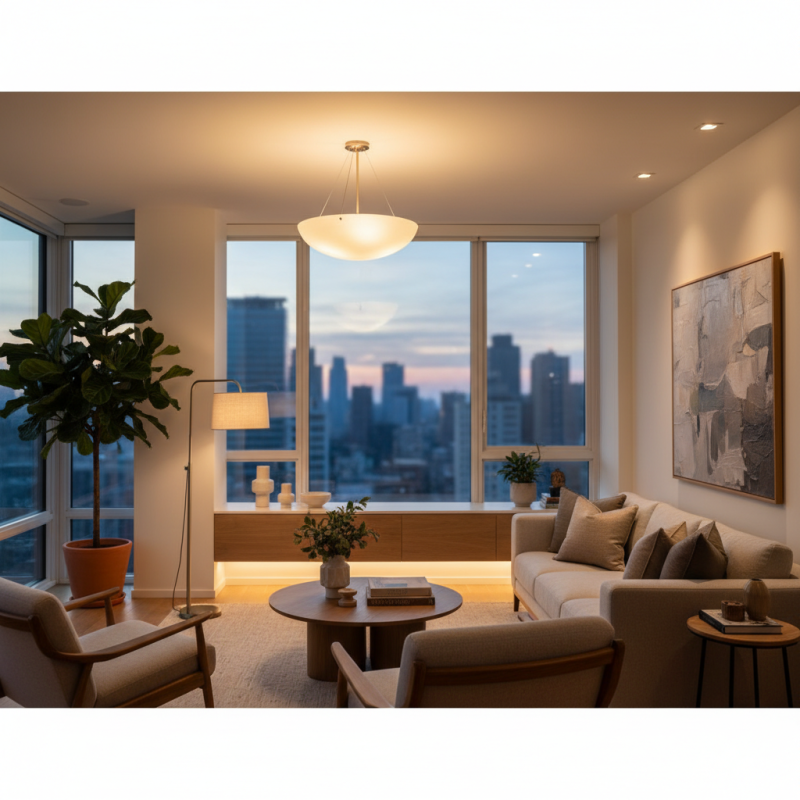
Lighting plays a crucial role in each room's atmosphere. In a living room, soft lighting fosters comfort. Think of warm lamps and dimmers that enhance coziness. You might want to experiment with different fixtures. A bright overhead light can feel harsh and uninviting at times.
In the kitchen, functionality is key. Bright task lighting is essential for food preparation areas. Consider under-cabinet lighting to illuminate workspaces. Yet, overhead lighting can create shadows. Balancing brightness with softer accents might be worth looking into. You need layers of light.
Bedrooms require a different approach. Soft, adjustable lighting promotes relaxation. Bedside lamps should provide just enough light for reading but not overwhelm. Dimmer switches allow you to customize the mood. Aim for a balance between practicality and soothing ambiance. Reflecting on how you use these spaces can help refine your choices.
How to Choose the Best Home Lighting for Your Space? - Identifying the Purpose of Lighting in Each Room
| Room |
Primary Purpose |
Recommended Lighting Type |
Suggested Color Temperature |
| Living Room |
Relaxation and Socializing |
Warm White LED |
2700K - 3000K |
| Kitchen |
Cooking and Meal Preparation |
Bright White LED |
3000K - 4000K |
| Bedroom |
Rest and Sleep |
Soft White Dimmable LED |
2700K |
| Bathroom |
Personal Care and Grooming |
Cool White LED |
4000K - 5000K |
| Office/Study |
Work and Focus |
Daylight LED |
5000K - 6500K |
Evaluating Room Size and Layout for Optimal Lighting Design
When evaluating room size and layout, the impact on lighting design is significant. A small room can feel cramped with harsh lighting. Soft, diffused lights often work better here. According to industry studies, 70% of people prefer natural light. If you have large windows, maximizing that light is crucial. Use light colors on walls which reflect more light.
For open concepts, the challenge lies in creating a cohesive lighting scheme. Layered lighting, including ambient, task, and accent lighting, can unify different zones. Research by the American Lighting Association shows that effective layering can enhance mood by up to 30%. Brightness levels may not feel consistent; it’s common to overlook this detail. Proper placement of fixtures can solve this issue.
In spaces with unique layouts, consider how light distributes. An L-shaped room needs careful planning; one area may feel darker than the other. A balance is essential. Using dimmers provides flexibility for varying tasks and moods. This approach may seem trivial, but it’s vital for achieving an inviting atmosphere. Adjusting to different needs is always a work in progress.
Choosing the Right Bulb Type and Brightness for Your Needs
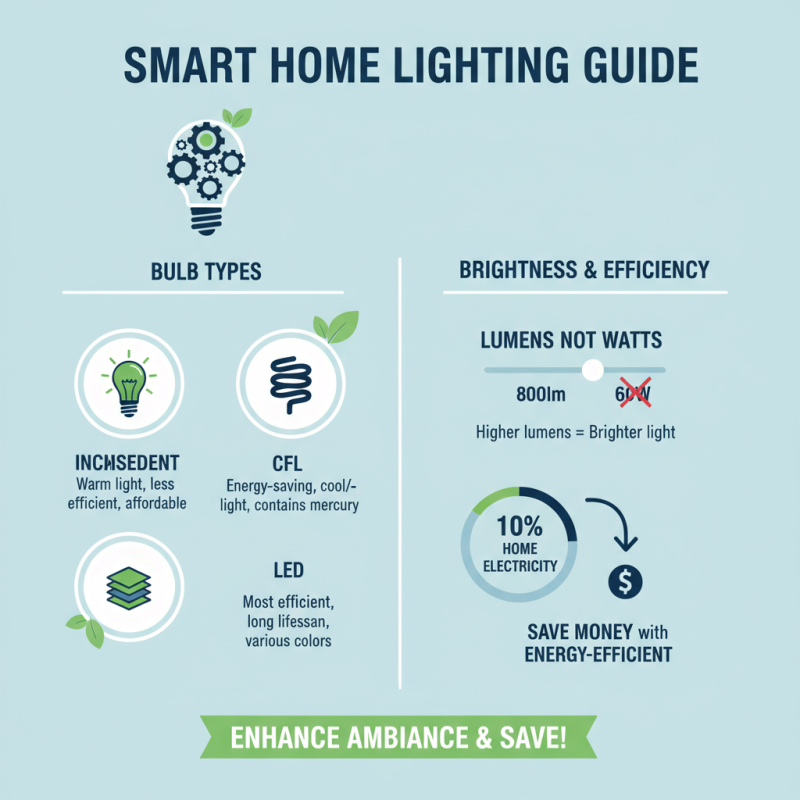
Choosing the right bulb type and brightness can drastically enhance your home environment. According to recent studies, lighting accounts for around 10% of household electricity consumption. This means choosing energy-efficient bulbs can save you money while providing the right ambiance.
LED bulbs are the best choice for most homes. They use about 75% less energy than incandescent lights. Brightness is measured in lumens, not watts. For instance, a bulb producing 800 lumens is equivalent to a traditional 60-watt bulb. It’s essential to match lumens to your space needs. A dim room can feel uninviting, but too much brightness can cause discomfort.
Consider your activities. A cozy reading nook may benefit from soft, warm light. In contrast, a home office needs brighter, cooler light for concentration. The goal is balance; you might find that the wrong choice leads to eye strain or a gloomy atmosphere. Reflect on your space before making decisions. Your comfort should come first.
Incorporating Lighting Design Trends and Personal Style
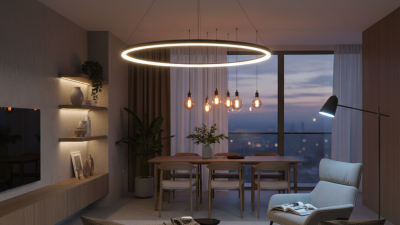
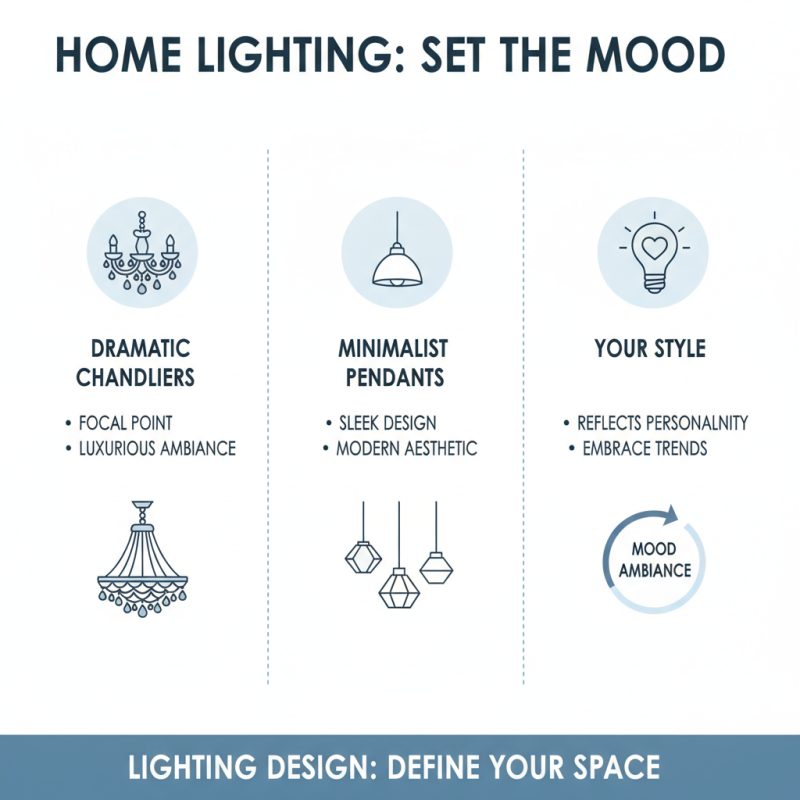
Lighting design plays a critical role in defining the mood of your home. Choosing the right fixtures can reflect your personal style while embracing current trends. Consider incorporating statement pieces like dramatic chandeliers or minimalistic pendants. These can serve as focal points, showcasing your aesthetic.
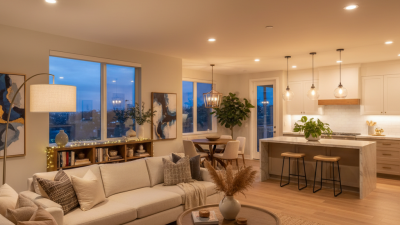
Incorporating different light sources is vital. Layering ambient, task, and accent lighting creates depth. Think of soft wall sconces coupled with sleek desk lamps. This combination not only enhances functionality but also adds warmth. Experiment with dimmers for adjustable light levels.
Don’t shy away from the unconventional. Mixing textures and styles can be bold yet refreshing. Try contrasting finishes, like matte and shiny, for a visual interest. Reflect on your choices regularly. Are they truly you, or did you follow a trend? Embrace imperfection, allowing your space to evolve with your tastes over time.