Top Benefits of Using Light in Interior Design for a Brighter Home
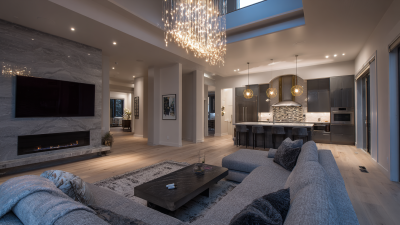
In the realm of interior design, the strategic use of light has emerged as a pivotal element in creating inviting and vibrant spaces. According to a report by the American Institute of Architects, well-designed lighting can enhance a room's aesthetic appeal by up to 30%, significantly influencing both mood and productivity. Additionally, studies within the field of environmental psychology indicate that natural light not only improves mental well-being but can also increase a person's efficiency by as much as 25% in work-related environments. By harnessing the power of light, designers have the opportunity to transform ordinary interiors into extraordinary havens that foster creativity and comfort.
Moreover, with the rise of sustainable practices in interior design, the incorporation of light—both natural and artificial—plays a crucial role in energy efficiency. A study by the International Energy Agency highlights that the right lighting choices can reduce overall energy consumption by up to 50% in residential spaces. This underscores the importance of intentional lighting design, which not only enhances visual appeal but also aligns with eco-friendly initiatives. Ultimately, the judicious use of light serves as a fundamental pillar in modern interior design, orchestrating a harmonious balance between beauty, functionality, and sustainability in our living environments.
Benefits of Natural Lighting in Enhancing Interior Aesthetics
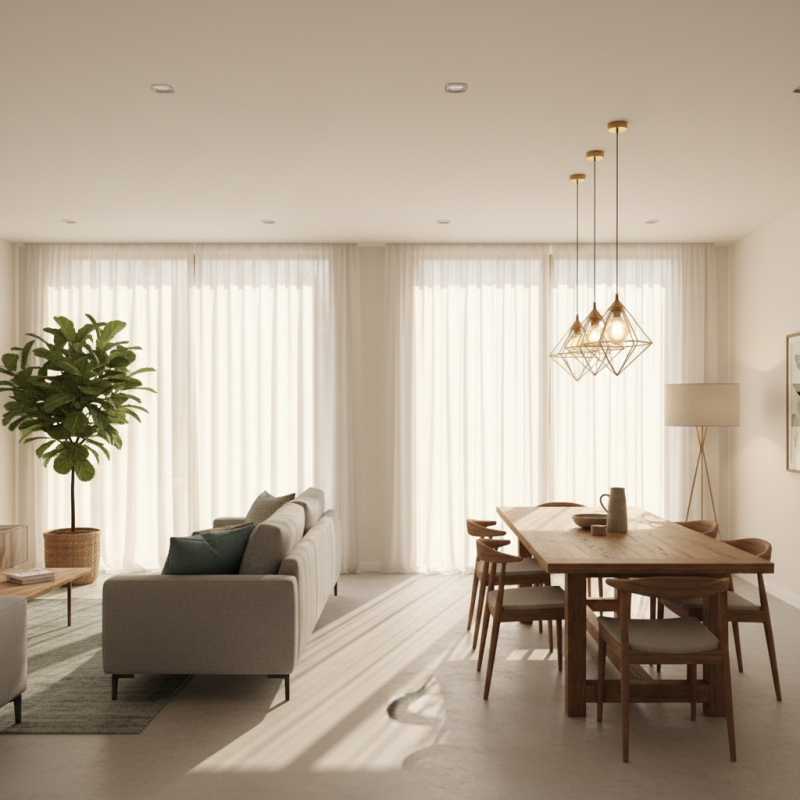
Natural lighting plays a vital role in enhancing the aesthetics of interior spaces, transforming mere rooms into vibrant, inviting environments. Studies from the American Society of Interior Designers reveal that spaces with ample natural light can appear larger and more appealing, facilitating a positive emotional response from occupants. Moreover, natural light not only elevates the aesthetic quality but also improves energy efficiency, reducing reliance on artificial lighting and consequently lowering electricity costs by up to 30%, according to the U.S. Department of Energy.
Incorporating natural light into your interior design can be as simple as strategizing on window placements and utilizing reflective surfaces. To maximize daylight, consider installing skylights or larger windows that allow for more sunlight to flood in. Additionally, choosing light-colored wall paints and using mirrors can amplify natural light, creating a sense of openness and warmth.
Tip: When planning your space, assess how the sun moves throughout the day to determine the best spots for natural illumination. Also, avoid heavy drapery; instead, opt for sheer curtains that preserve privacy while allowing sunlight to filter through, striking a perfect balance between comfort and brightness. This thoughtful approach not only enhances the aesthetic appeal but also promotes a healthier living environment, reinforcing the integral connection between light and well-being in design.
Impact of Artificial Lighting on Mood and Productivity Levels
Artificial lighting plays a crucial role in interior design, significantly influencing mood and productivity levels within a space. According to a report by the International Journal of Environmental Research and Public Health, optimal lighting conditions can enhance privacy, comfort, and usability, which in turn can elevate overall well-being. In workplaces, studies have shown that the right artificial lighting can improve focus and efficiency, increasing productivity by up to 20%, especially when employees are exposed to bright, white light that mimics natural daylight.
To maximize the positive effects of artificial lighting in your home or office, consider the following tips:
- Layered Lighting: Use layered lighting, which combines ambient, task, and accent lighting to create a versatile and adaptable environment. This variation can help regulate mood and support different activities, from reading to entertaining.
- Color Temperature: Adjust the color temperature of your lights; warmer hues can create a cozy and inviting atmosphere, while cooler tones can stimulate alertness and concentration.
Moreover,
strategic placement of lighting fixtures can further enhance productivity. Position task lighting directly over areas where work is done, ensuring that it reduces glare on screens and minimizes shadows. Incorporating dimmers into your lighting plan can also offer flexibility, allowing you to tailor the intensity of light according to your
daily activities and mood, ultimately creating a more supportive environment for both work and relaxation.
Energy Efficiency: How Strategic Lighting Reduces Electricity Costs
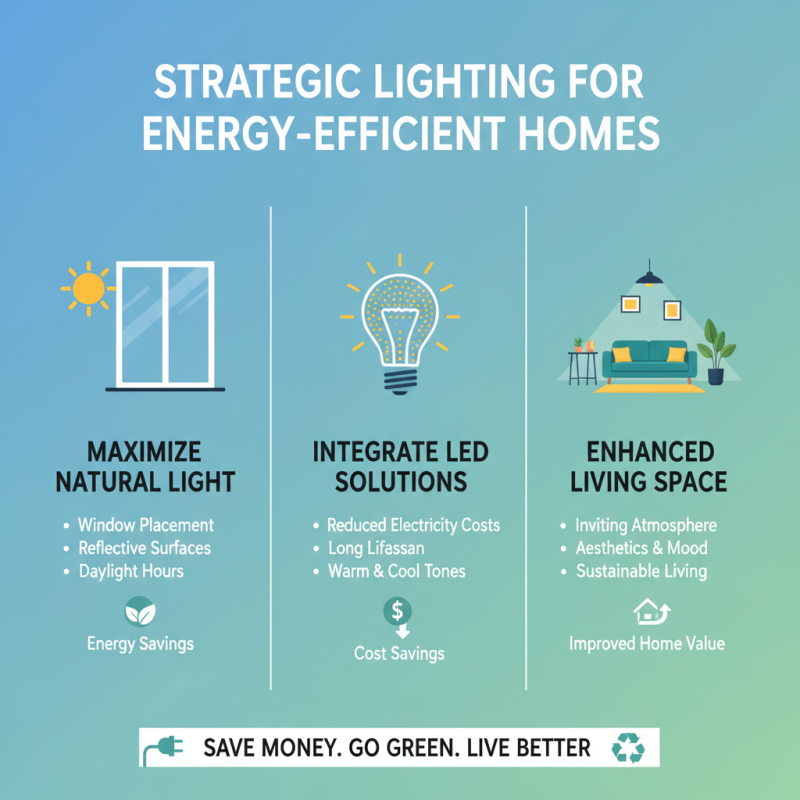
Strategic lighting plays a pivotal role in interior design, not only enhancing the aesthetic of a space but also promoting energy efficiency. By utilizing natural light sources effectively and integrating LED solutions, homeowners can significantly reduce their electricity costs. Natural light, when maximized through window placements and reflective surfaces, can decrease the need for artificial lighting during daylight hours. This not only saves energy but also creates a more inviting atmosphere within the home.
To maximize energy efficiency, consider installing dimmer switches and smart lighting systems that can adjust the brightness according to the time of day. Additionally, using task lighting for specific areas, like reading nooks or workspaces, can minimize the overall energy consumption, as these lights can be turned on only when needed. Another effective tip is to opt for light-colored walls and furnishings, which can reflect natural light throughout the spaces, reducing the necessity for excessive artificial lighting.
Incorporating energy-efficient fixtures, such as LED bulbs, is crucial. These bulbs consume significantly less power compared to traditional incandescent bulbs and have a longer lifespan, making them a cost-effective option over time. By thoughtfully planning the lighting layout and choosing the right sources, homeowners can achieve a well-lit, brighter home while ensuring a more eco-friendly approach.
Incorporating Smart Lighting Technology for Customized Environments
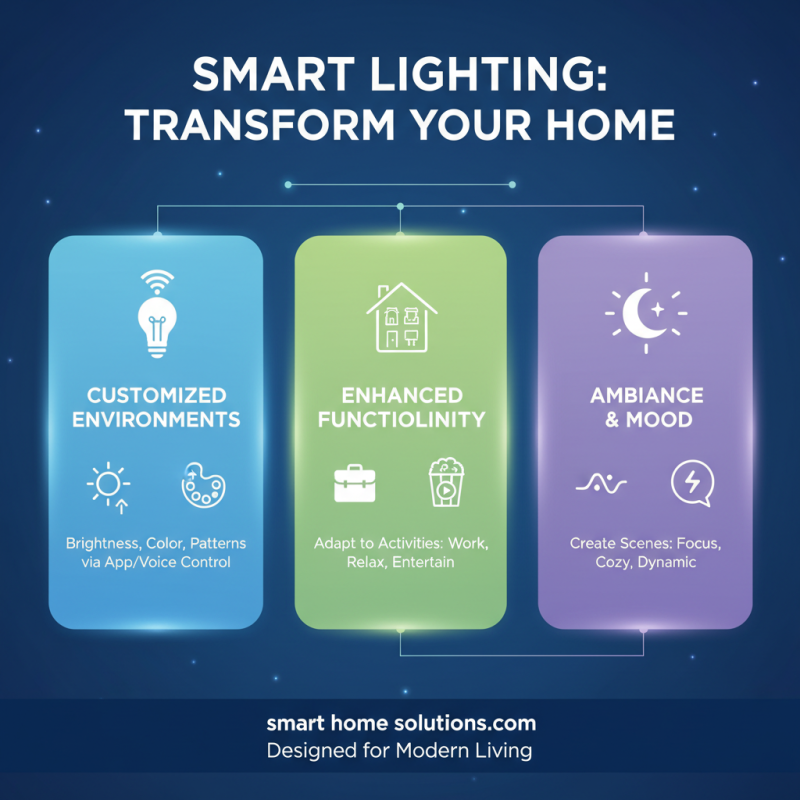
Incorporating smart lighting technology into interior design transforms spaces into customized environments that enhance both functionality and ambiance. Smart lighting systems enable homeowners to control illumination through apps or voice commands, allowing users to adjust brightness, color temperature, and even lighting patterns to suit different activities and moods. This flexibility is particularly beneficial for multi-purpose rooms, where the same space can serve as a home office during the day and a movie theater in the evening.
To make the most of smart lighting, consider using adjustable LED bulbs that can change color and intensity. This allows you to create the perfect atmosphere for any occasion. Additionally, integrating lighting with your home automation system can enable routines that automatically adjust lighting based on the time of day. For example, soft, warm lights can welcome you home in the evening, while bright daylight tones can enhance productivity during work hours.
Another tip is to utilize motion sensors that can turn lights on or off based on occupancy. This not only enhances convenience but also promotes energy efficiency by ensuring that lights are used only when needed. By leveraging smart lighting technologies, you can create a dynamic, inviting home environment that accurately reflects your lifestyle and preferences.
The Role of Color Temperature in Creating Inviting Spaces
Color temperature plays a crucial role in interior design, as it significantly influences the ambiance and feel of a space. Measured in Kelvin (K), color temperature indicates whether light appears warm, neutral, or cool. Warm lights, typically ranging from 2700K to 3000K, create a cozy and inviting atmosphere that is ideal for living rooms and bedrooms. This type of lighting encourages relaxation and can enhance personal interactions, making it perfect for spaces where people gather.
On the other hand, cooler lights, with a range of 4000K to 5000K, offer a more energetic and focused environment, suitable for kitchens or workspaces. This type of illumination mimics daylight and can enhance productivity by keeping occupants alert and engaged. By strategically using both warm and cool light sources, interior designers can create dynamic spaces that cater to different activities and moods. The thoughtful application of color temperature can transform a house into a vibrant home that evolves with the needs and desires of its inhabitants.