Top Trends in Automotive Lighting Technology for Better Visibility and Safety
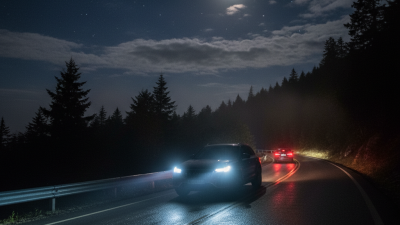
In recent years, advancements in automotive lighting technology have transformed the way vehicles illuminate the road, enhancing visibility and safety for drivers and pedestrians alike. The evolution of automotive lighting has been driven by a growing demand for improved performance, energy efficiency, and aesthetic appeal. As manufacturers continue to innovate, new trends are emerging that spotlight the importance of effective lighting solutions in ensuring safer driving experiences, especially in low-light and adverse weather conditions.
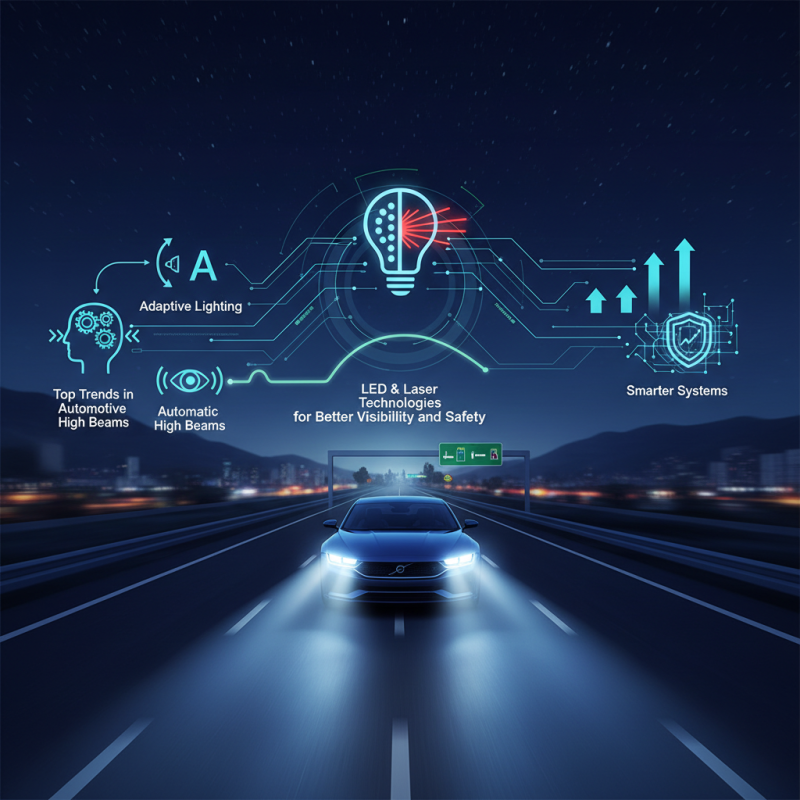
One prominent trend reshaping the landscape of automotive lighting is the integration of smarter systems, such as adaptive lighting and automatic high beams, which adjust the intensity and direction of light based on driving conditions. These innovations not only optimize visibility but also reduce glare for oncoming traffic, contributing to overall road safety. Additionally, the shift towards LED and laser technologies is revolutionizing automotive lighting by providing brighter, more focused beams that enhance visibility while consuming less energy.
As we delve deeper into the top trends in automotive lighting technology, it is essential to recognize the critical role these advancements play in enhancing safety and visibility on the roads. By embracing cutting-edge technologies and innovative design concepts, the automotive industry is committed to shaping a brighter and safer future for all road users.
Emerging Technologies in Automotive Lighting Design
The evolution of automotive lighting technology has been significantly spurred by emerging design innovations that prioritize not only aesthetics but also enhanced visibility and safety. As the global automotive lighting market is projected to grow to over over $30 billion by 2026, with a compound annual growth rate (CAGR) of 5.4%, it is evident that innovation is a driving force in this sector. Notably, advancements such as adaptive lighting systems, which adjust the intensity and angle of headlights based on speed and environmental conditions, are becoming integral to modern vehicle designs. Reports indicate that these systems can improve visibility by up to 80% in adverse weather conditions, a critical factor in reducing nighttime accident rates.
Another significant trend is the integration of LED and OLED technologies, which offer improved energy efficiency and longer lifespan compared to traditional halogen bulbs. A study by the International Energy Agency highlights that transitioning to LED lighting in vehicles can cut energy consumption for lighting by up to 50%. Furthermore, the use of these technologies allows for greater design flexibility, enabling manufacturers to create thinner, lighter lights that can be seamlessly incorporated into vehicle contours. As smart technology merges with automotive lighting, features such as dynamic light patterns and color adjustments for communication purposes are emerging, marking a new era where lighting is not only functional but also enhances the overall driving experience.
Advancements in LED and Laser Lighting Solutions
The automotive lighting sector is experiencing a transformative shift, particularly with advancements in LED and laser lighting technologies, which significantly enhance visibility and safety on the road. Recent industry reports indicate that LED lighting has seen a remarkable adoption rate, with an estimated market growth from $10 billion in 2020 to over $25 billion by 2025. This surge is attributed to LEDs' energy efficiency and longevity, which not only reduce the overall carbon footprint but also lower the frequency of bulb replacements.
Laser lighting is also emerging as a game-changer, providing exceptionally bright and focused beams that enhance driver visibility. According to a report from a leading automotive research firm, laser headlights can generate up to three times more light than traditional halogen lights while consuming less energy. This technology offers innovative features like adaptive lighting systems that adjust beam patterns dynamically, improving safety during night drives or in poor weather conditions.
Tips: When driving in low visibility conditions, ensure that your vehicle's lighting system is functioning optimally. Regularly check for any dim or burnt-out bulbs and consider upgrading to LED or laser options for improved safety. Additionally, familiarizing yourself with adaptive lighting features can greatly enhance your driving experience, helping you navigate challenges presented by unpredictable environments effectively.
Top Trends in Automotive Lighting Technology for Better Visibility and Safety
| Lighting Technology |
Key Benefits |
Current Applications |
Future Prospects |
| LED Lighting |
Energy efficiency, long lifespan, quick response time |
Headlights, taillights, interior lighting |
Adaptive lighting, smart connectivity |
| Laser Lighting |
High brightness, precise beam control |
High-end vehicles, special applications |
Integration with autonomous driving systems |
| Matrix LED |
Adaptive lighting, better illumination without glare |
Adaptive front lighting systems |
Further enhancements in vehicle-to-vehicle communication |
| OLED Lighting |
Uniform light distribution, design flexibility |
Backlights, aesthetic elements in vehicle design |
Possible integration with infotainment systems |
The Role of Adaptive Lighting Systems in Enhancing Safety
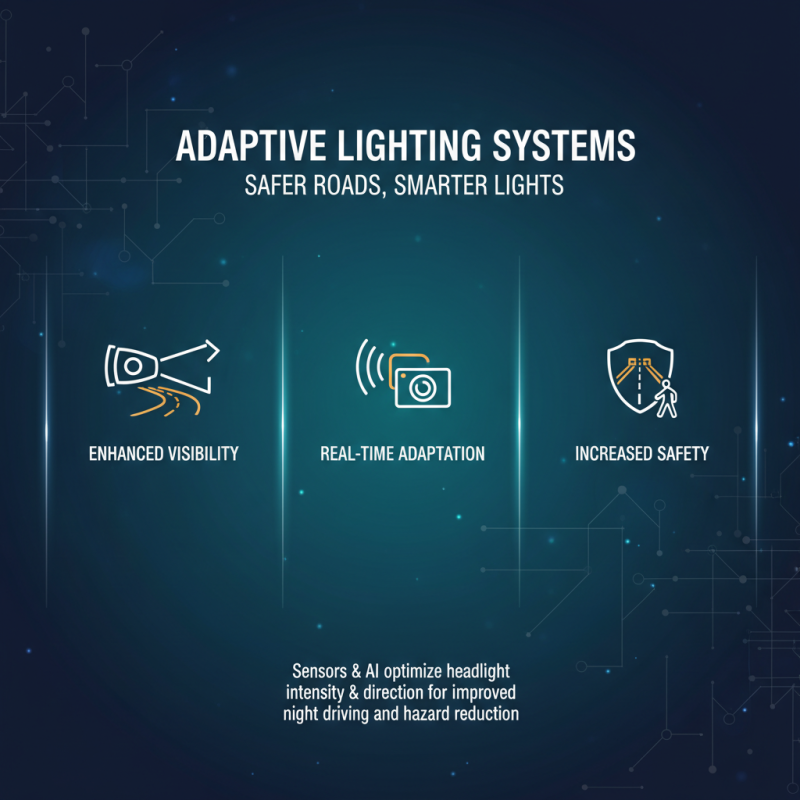
Adaptive lighting systems are transforming the automotive lighting landscape by significantly enhancing visibility and safety on the roads. These systems utilize advanced sensors and cameras to analyze driving conditions in real time, adjusting the intensity and direction of headlights to suit various scenarios. For example, when navigating through sharp curves or in inclement weather, adaptive lighting can shift to illuminate the road more effectively, thereby reducing potential hazards for drivers and pedestrians alike.
The integration of adaptive lighting not only improves visibility during nighttime drives but also plays a crucial role in accident prevention. By providing enhanced illumination where it's needed most, these systems help drivers recognize obstacles sooner and respond more effectively. As automotive technology continues to evolve, adaptive lighting is becoming increasingly sophisticated, incorporating features such as automatic high beam adjustment and dynamic cornering lights, which further contribute to safer driving experiences. This innovation represents a significant step towards creating smarter, safer vehicles that prioritize the well-being of all road users.
Integration of Smart Technology in Automotive Lighting
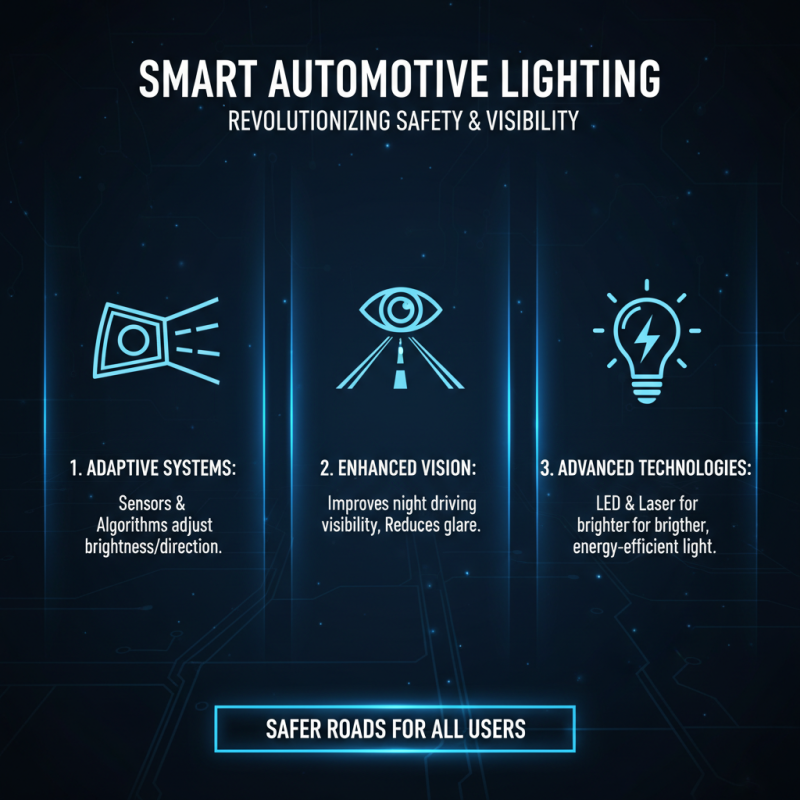
The integration of smart technology in automotive lighting systems is revolutionizing vehicle safety and visibility. Advanced features such as adaptive lighting systems utilize sensors and algorithms to adjust the brightness and direction of headlights based on road conditions and driving speed. This not only enhances the driver's field of vision during night driving but also reduces glare for oncoming traffic, ensuring a safer environment for all road users. The emergence of LED and laser lighting technologies further complements these systems by providing brighter and more energy-efficient illumination.
Tips for maximizing the benefits of smart automotive lighting include ensuring regular maintenance checks for sensors and lights, keeping lenses clean for optimal performance, and adopting driving habits that take full advantage of adaptive lighting features. By staying proactive, drivers can fully leverage these advancements to enhance their driving experience.
Additionally, innovations like vehicle-to-vehicle (V2V) communication allow lights to signal intentions, such as braking or turning, to nearby vehicles. This level of connectivity enhances situational awareness and can potentially reduce the likelihood of collisions. As automotive lighting continues to evolve, embracing these smart technologies will play a crucial role in improving road safety and visibility for everyone on the road.
Future Trends: Sustainable and Energy-Efficient Lighting Options
The automotive industry is undergoing a significant transformation as manufacturers focus on
sustainable and energy-efficient lighting solutions.
According to a recent report by the International Energy Agency (IEA), lighting accounts for
approximately 15% of a vehicle’s total energy consumption.
This highlights the growing need for advanced lighting technologies
that optimize energy usage while enhancing safety and visibility.
Innovative technologies like
LED and
OLED are being increasingly adopted, offering longer
lifespans and lower energy requirements compared to traditional halogen bulbs.
Moreover, the shift towards electric vehicles (EVs) is driving a greater emphasis on sustainability
within automotive lighting. The McKinsey & Company report indicates that integrating
energy-efficient lighting systems
can lead to a 30% reduction in energy use for EVs.
This not only contributes to extended battery life but also aligns with the broader goal of
reducing the carbon footprint of the automotive sector. As regulations surrounding emissions
become stricter, manufacturers are investing in research and development of adaptive lighting systems
that adjust brightness and intensity based on environmental conditions, thus improving visibility and
safety while minimizing energy wastage.
As we move toward a more sustainable future, the evolution of automotive lighting will play a crucial
role in redefining vehicle design and functionality, driving both safety enhancements and energy conservation
in the automotive landscape.