What is Automotive Lighting and How Does It Work?
Automotive lighting plays a crucial role in vehicle safety and functionality. It comprises various lighting systems, designed for optimal performance. These systems include headlights, taillights, and turn signals. Each type serves a distinct purpose, improving visibility for drivers and alerting other road users.
Understanding how automotive lighting works is essential. Most vehicles now utilize LEDs and halogen bulbs. These technologies enhance brightness and energy efficiency. However, the selection of the right lighting remains a challenge for many. Consumers often question which options best fit their needs.
Furthermore, the evolving standards in automotive lighting can create confusion. For instance, regulations vary by country, impacting design choices. Recognizing the importance of these details helps ensure safety on the road. In the end, automotive lighting isn’t just about illumination; it’s about making informed choices for safety and performance.
What is Automotive Lighting? An Overview of Its Importance in Vehicles
Automotive lighting plays a critical role in vehicle safety and functionality. It encompasses a wide range of lights, from headlights to taillights, and indicators. These lights ensure visibility during nighttime and adverse weather. They help drivers see ahead and allow others to see the vehicle. Poorly lit roads can create hazards, making proper lighting essential.
Headlights are particularly important. They illuminate the road ahead, helping drivers spot obstacles. However, many overlook the need for regular maintenance. Burnt-out bulbs can drastically reduce visibility. Tail lights serve another function: they inform other drivers of braking or turning. When these lights fail, misunderstandings can occur on the road.
Additionally, decorative lights and fog lights add to the vehicle's aesthetics and functionality. However, there is a risk of overuse. Excessive lighting can lead to distractions. In some cases, it may even draw the wrong kind of attention. Striking the right balance between safety and style is challenging but necessary in modern automotive design.
Automotive Lighting Overview
| Lighting Type |
Function |
Importance |
Technologies Used |
| Headlights |
Illuminate the road ahead for night driving |
Critical for driver visibility and safety |
Halogen, HID, LED |
| Taillights |
Signal to vehicles behind the driver |
Enhances vehicle visibility and awareness |
LED, Incandescent |
| Turn Signal Lights |
Indicate turning direction to other drivers |
Essential for safe lane changes and turns |
LED, Incandescent |
| Fog Lights |
Illuminate the road immediately in front of the vehicle |
Improves visibility in fog, rain, or snow |
Halogen, LED |
| Daytime Running Lights |
Increase vehicle visibility during the day |
Reduces the likelihood of daytime collisions |
LED, Xenon |
Types of Automotive Lighting: Headlights, Taillights, and Turn Signals
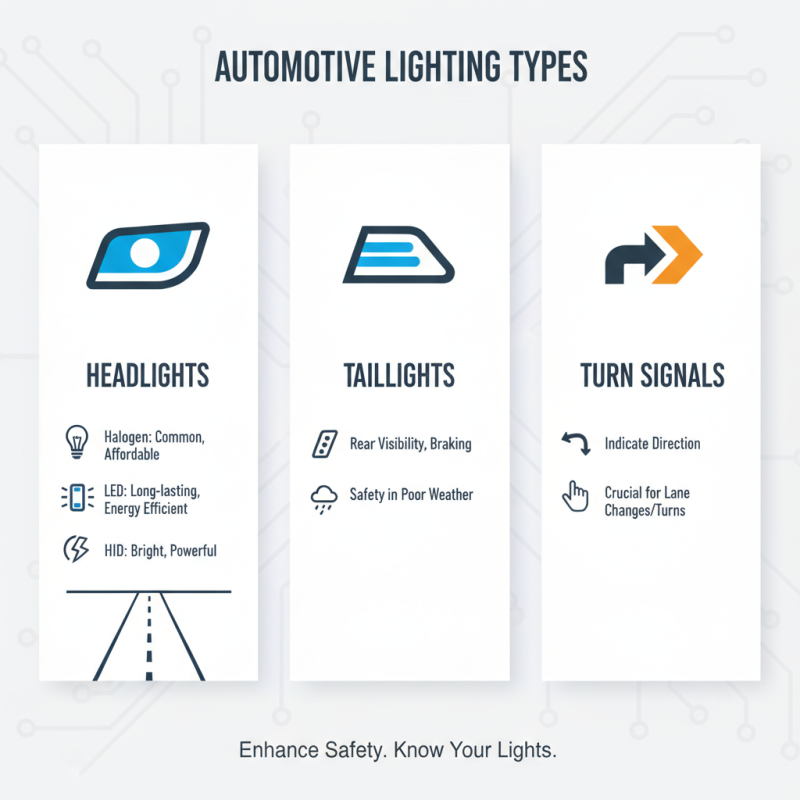
Automotive lighting plays a crucial role in vehicle safety. Headlights illuminate the road ahead, providing visibility during darkness and adverse weather. There are different types of headlights: halogen, LED, and HID. Each has its strengths and weaknesses. For instance, halogen is popular, but LED lights last longer and consume less energy.
Taillights are equally essential. They alert drivers behind you when braking or turning. Traditional bulbs are fading out. Many vehicles now use LEDs for taillights, which offer bright and quick illumination. However, some drivers still overlook maintaining these lights, resulting in reduced visibility.
Turn signals are vital for safe lane changes. Not all drivers use them consistently. It’s easy to forget, yet communication on the road is key. A faulty turn signal can lead to confusion and accidents. Regular checks can prevent such issues. In essence, understanding these components can help drivers ensure a safer driving experience.
How Do Automotive Lights Function? Understanding the Technical Mechanics
Automotive lights play a critical role in vehicle safety and efficiency. They include headlights, taillights, turn signals, and brake lights. Each type serves specific functions and utilizes different technologies. For instance, traditional halogen headlights are gradually being replaced by LED technologies due to their longer lifespan and energy efficiency. Reports indicate that LED lights consume up to 75% less energy than halogen bulbs.
Understanding how these lights work requires knowledge of their components. Most automotive lights use a combination of filament, reflector, and lens systems. The filament emits light when electricity flows through it. Reflectors shape the light output, while lenses ensure proper dispersion. However, defects in any part can reduce a light’s effectiveness. Frequent checks are necessary to maintain optimal performance.
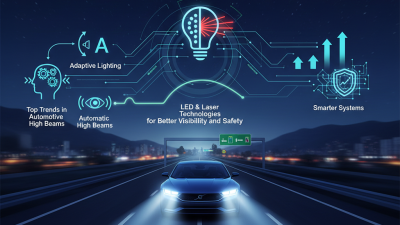
The evolution of automotive lighting is remarkable. More vehicles now use adaptive lighting systems that adjust the beam according to driving conditions. Nonetheless, such advancements come with their own challenges. For example, the complexity increases repair costs and the likelihood of malfunction. Industry experts stress the importance of regular maintenance and awareness of how your vehicle's lighting functions. It’s an area often overlooked, yet crucial for road safety.
The Evolution of Automotive Lighting: From Incandescent to LED and Beyond
The evolution of automotive lighting has been remarkable. Early cars used incandescent bulbs. They provided basic visibility but had limited efficiency. These bulbs often burned out quickly, requiring frequent replacements.
As technology advanced, halogen lights emerged. They offered brighter light and better durability than incandescents. Yet, they still had drawbacks, like generating excessive heat. This raised concerns about their long-term sustainability.
Now, LED technology dominates automotive lighting. LEDs use less energy and last much longer. They can create various light patterns, enhancing safety and aesthetics. However, not all designs are perfect. Some LEDs can be blinding for other drivers. This calls for continuous improvements in design and regulation. The journey from incandescent to LED is a testament to innovation, but challenges remain.
Evolution of Automotive Lighting Technology
Regulations and Standards in Automotive Lighting: Ensuring Safety and Efficiency
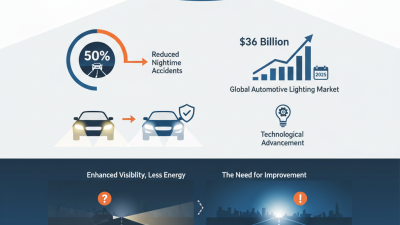
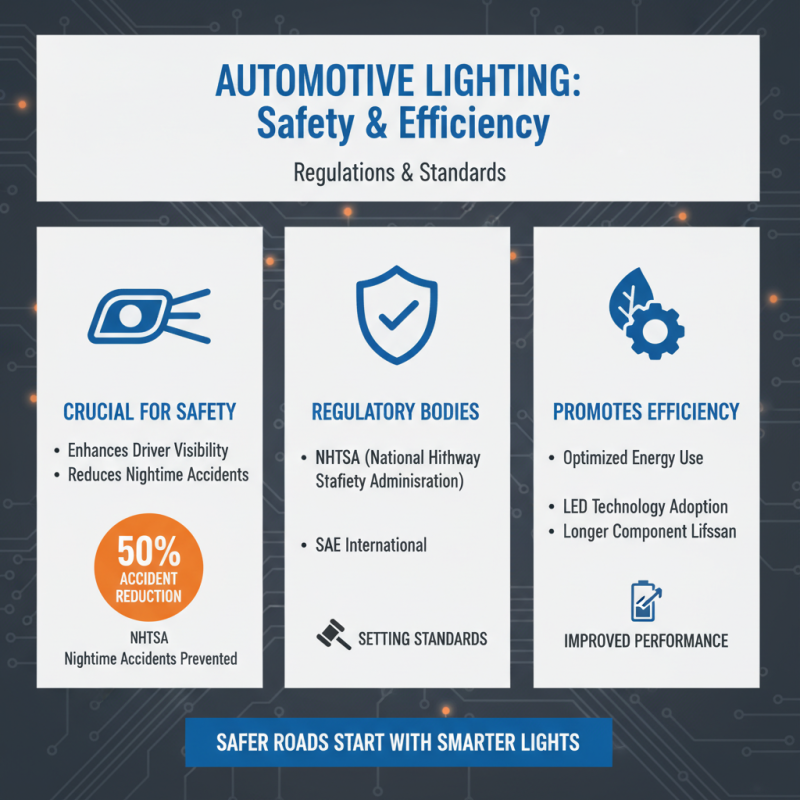
Automotive lighting plays a vital role in vehicle safety and efficiency. Regulations guide the design and functionality of these systems. The National Highway Traffic Safety Administration (NHTSA) reported that proper lighting could prevent up to 50% of nighttime accidents. Such standards ensure vehicles are equipped with lights that enhance visibility for drivers.
Compliance with lighting regulations varies by region. For instance, SAE International sets guidelines for light distribution patterns. These patterns impact how far and wide a driver can see. Many manufacturers struggle to balance design innovation with these standards. In recent years, LED technology has advanced, yet not all vehicles utilize this energy-efficient option.
The global automotive lighting market is projected to grow significantly. In fact, a report from Market Research Future estimates a compound annual growth rate (CAGR) of 6.6% through 2025. This growth reflects the increasing importance of safety features in vehicle design. However, some drivers still underestimate the significance of effective lighting in various weather conditions. Continuous education on the proper use of automotive lighting remains crucial for reducing road accidents.