2026 Top Bulb Light Types for Global Buyers?
As global buyers plan for 2026, bulb light selection is becoming a technical purchasing decision. Energy efficiency, socket compatibility, color quality, and product lifespan now matter equally. The International Energy Agency reports that lighting consumes about 15% of global electricity. That figure makes every household and commercial fitting relevant.
LED remains the leading option for most applications. The U.S. Department of Energy states that LED bulbs can use up to 75% less energy than incandescent lamps. They can also last up to 25 times longer. ENERGY STAR testing adds practical benchmarks, including brightness, color temperature, power consumption, and rated life. Buyers should still check the fine print. A low-wattage bulb may produce weak illumination, while a high-lumen model can create glare in a small room.
This guide compares the top bulb light types expected to serve global markets in 2026. It examines LED, smart LED, filament LED, halogen, compact fluorescent, and specialty designs. Applications range from hotel corridors and retail displays to kitchens and outdoor fixtures. Product data should be verified against independent testing, regional voltage requirements, and recognized certification systems. The European Commission, DOE, and ENERGY STAR provide useful reference points, but standards differ across markets. That is where mistakes happen. A bulb can perform well in a laboratory and still disappoint in a humid warehouse, enclosed fixture, or poorly ventilated ceiling. Good procurement requires more than chasing the lowest unit price.
What Are the Main Bulb Light Types in 2026?
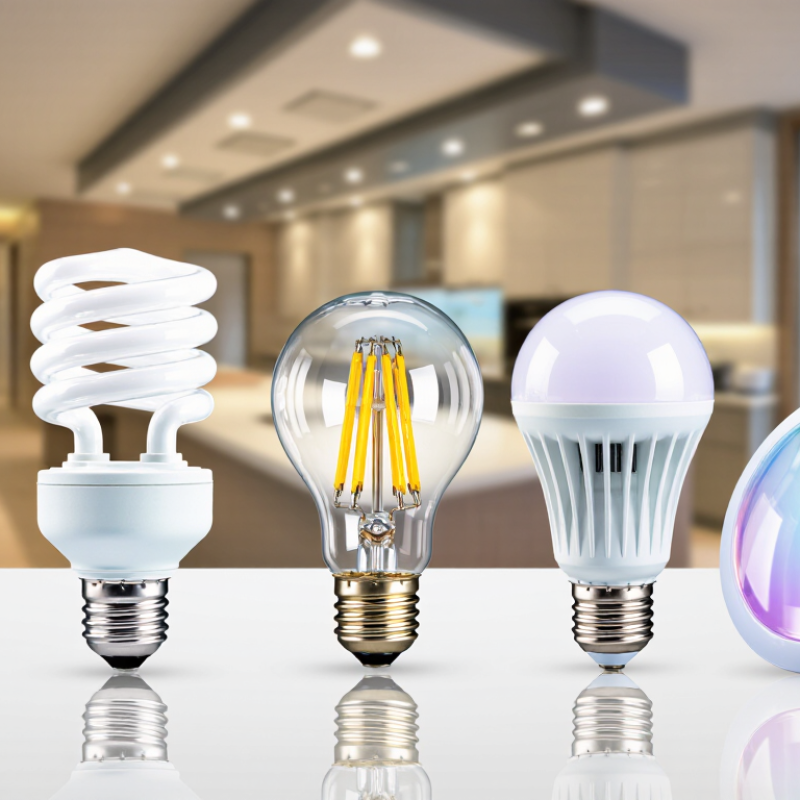
In 2026, LED bulbs remain the main choice for homes, offices, hotels, and warehouses. They use less electricity than incandescent and halogen bulbs. They also produce less heat during long working hours. Common LED shapes include A19, candle, globe, reflector, tube, and corn bulbs. Each shape suits a different fixture and lighting direction. Filament-style LEDs add a warm, decorative appearance with modern efficiency. Smart LED bulbs offer dimming, scheduling, and remote control through compatible systems.
Compact fluorescent bulbs still appear in some older installations, but their market share continues to decline. Incandescent and halogen bulbs can deliver familiar color quality, although their higher energy use limits new demand. Buyers should compare lumen output, color temperature, beam angle, base size, and voltage.
A 2700K bulb feels warm, while 4000K often looks cleaner for work areas. I have found that product descriptions sometimes simplify these differences too much. Fixture compatibility deserves more attention than appearance alone.
Tips: Check the socket base and local voltage before ordering. Choose lumens instead of watts when comparing brightness. For humid areas, verify the bulb’s approved location rating. Smart functions may also depend on regional wireless standards. Energy labels and safety documents provide useful evidence, but they are not always easy to interpret. My own buying decisions still require a second check, especially when replacing older bulbs in mixed-voltage buildings.
How Do LED Bulb Designs Differ by Shape and Function?
2026 Top Bulb Light Types for Global Buyers?
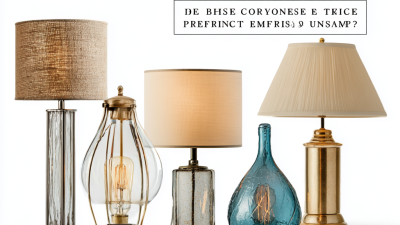
LED bulb designs differ mainly by shape, beam control, and intended function. A-shaped bulbs spread light widely for bedrooms and general rooms. Globe bulbs soften shadows above mirrors or dining tables. Candle and flame-tip shapes suit decorative fixtures, but their narrow bodies can limit heat management. PAR and BR bulbs use directional beams for kitchens, retail displays, and outdoor areas. Tube-style LED bulbs provide longer coverage in workspaces.
The International Energy Agency’s Energy Efficiency 2024 report states that LEDs represented over half of global lighting sales in 2023, rising sharply from about 5% in 2013. The U.S. Department of Energy also reports that LED products use at least 75% less energy and last far longer than incandescent lamps. Yet shape still affects performance. A compact bulb may fit a small socket, but poor ventilation can shorten its life. Appearance is not efficiency. That point is often missed.
Tips: Match lumens before watts. Choose 800 lumens for a common general-use bulb, then check the beam angle. Use 2700–3000K for relaxed spaces and 4000K for task areas. Read the color rendering index, especially for kitchens and retail shelves. Dimmability needs a compatible control system. In practice, even careful buyers sometimes trust packaging too quickly. A beautiful bulb can still create glare, uneven brightness, or unnecessary heat.
2026 Top LED Bulb Light Types for Global Buyers
How do LED bulb designs differ by shape and function?
General-purpose A19 and decorative G45/ST64 bulbs are widely used for residential lighting, while BR30 and PAR38 designs provide broader or more directional beams for recessed and outdoor applications. MR16 bulbs are compact and directional, but typically deliver lower efficacy because of their small form factor. Values shown are representative market specifications; actual performance varies by model, color temperature, optics, and driver design.
Which Bulb Light Types Suit Homes, Offices, and Outdoor Areas?
For homes, A19 LED bulbs suit bedrooms, kitchens, and living rooms because they provide efficient, familiar lighting. The U.S. Department of Energy reports that residential LEDs use at least 75% less energy than incandescent bulbs and can last up to 25 times longer. Warm white light around 2700–3000K feels comfortable beside a sofa or dining table. Higher color rendering matters in kitchens, especially when checking fresh food. A practical mistake is choosing brightness by wattage. Lumens are the better measure.
Offices need even, low-glare light rather than dramatic brightness. Linear LED tubes or panel fixtures usually distribute light more consistently across desks. The Illuminating Engineering Society recommends considering visual comfort, glare control, and color quality together, not separately. Around 3500–4000K often supports alertness without making a room feel harsh, although worker preference varies. The International Energy Agency’s Energy Efficiency 2023 report identifies efficient lighting as a major energy-saving opportunity worldwide. Controls can reduce waste further, but incompatible dimmers remain a frequent installation problem.
Outdoor areas require weather-rated products, stable heat performance, and suitable beam angles. PAR or BR LEDs can illuminate entrances, paths, and security zones, while compact decorative LEDs work better on balconies. Check the IP rating, socket type, voltage, and local certification before purchasing. The DOE also notes that LED performance changes with temperature and fixture design. I once treated “outdoor” as a complete specification. It is not. Cold, moisture, and enclosed fittings can shorten service life, so the cheapest bulb may become the costliest choice.
How Should Global Buyers Compare Efficiency, Lifespan, and Safety?
2026 Top Bulb Light Types for Global Buyers
How Should Global Buyers Compare Efficiency, Lifespan, and Safety?
Global buyers should compare bulbs by delivered light, not wattage alone.
LED bulbs typically provide high lumens per watt and produce less heat. Halogen bulbs offer crisp light, but consume more energy and become extremely hot. Compact fluorescent lamps can be efficient, yet mercury content complicates handling and disposal. Check each label for lumens, watts, color temperature, and power factor. Numbers matter.
Lifespan claims need context.
A rated life may assume three-hour daily use and stable indoor temperatures. Frequent switching, poor ventilation, voltage variation, and enclosed fixtures can shorten LED performance. Ask for test standards, lumen-maintenance data, warranty terms, and replacement procedures. For large orders, test samples in actual sockets for several weeks. Measure brightness after cold starts. A spreadsheet can mislead.
Safety begins with electrical compatibility.
Confirm the voltage range, base size, dimmer compatibility, and enclosed-fixture rating before purchase. Buyers should verify recognized safety certification for the destination market, since requirements differ across regions. Look for flicker, excessive heat, buzzing, or loose contacts during testing. LEDs usually reduce operating temperatures, but poor drivers can still fail. Real rooms are messier than labels. A practical comparison should give safety evidence greater weight when performance data remains incomplete.