

2025 Top Lighting Products Trends That Will Transform Your Space

As we look ahead to 2025, the world of interior design and architecture is set to undergo a significant transformation, driven by the latest lighting products trends. The way we illuminate our spaces has evolved beyond mere functionality; it has become a crucial element of aesthetics and well-being. In an era where mood and atmosphere play a pivotal role in our daily lives, innovative lighting products are stepping into the spotlight, offering endless possibilities to enhance both private and commercial environments.

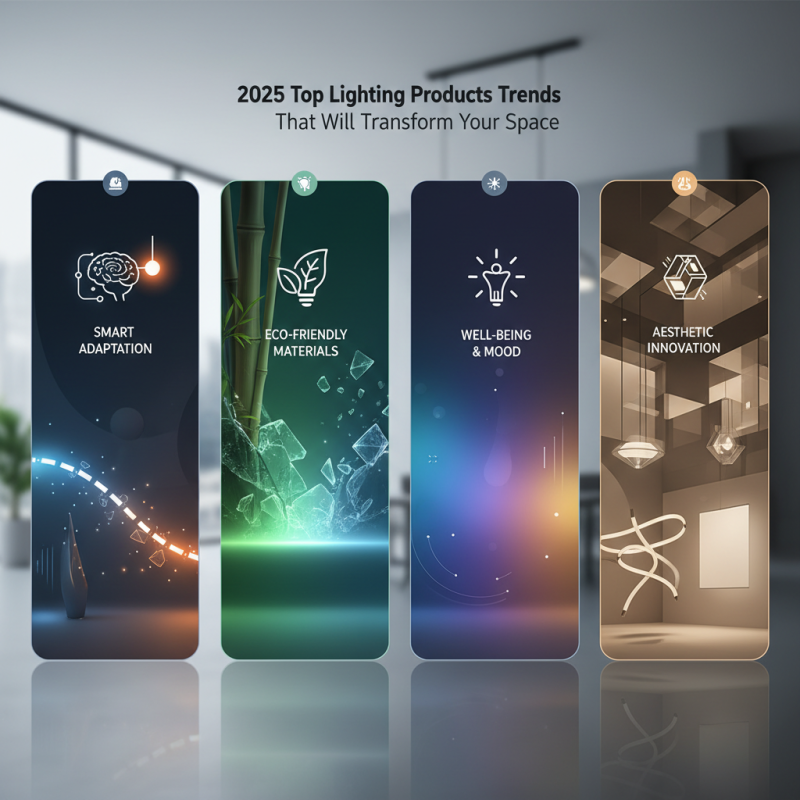
The forthcoming trends emphasize not only the visual impact of lighting but also its functionality and sustainability. From smart lighting solutions that adapt to user preferences to eco-friendly materials that minimize environmental impact, the lighting products of 2025 will cater to a conscious consumer market that values both style and substance. As we dive into these emerging trends, we will explore how advancements in technology and design are reshaping our relationship with light, ultimately transforming our spaces into havens of comfort and creativity. Prepare to be inspired as we unveil the key lighting products trends that promise to redefine the way we illuminate our lives.
2025 Top Lighting Products Trends That Will Transform Your Space

Emerging Technologies in Lighting Design for 2025

Emerging technologies are poised to revolutionize lighting design in 2025, empowering designers and consumers alike to create environments that are not only aesthetically pleasing but also functional and efficient. One of the most significant advancements is the integration of smart lighting systems equipped with artificial intelligence. These systems can analyze the user's behavior and preferences, allowing for personalized lighting experiences that adapt in real-time. For instance, lighting can automatically adjust in intensity and color temperature according to the time of day or the tasks being performed, promoting better well-being and productivity.

Another trend gaining momentum is the use of sustainable materials and energy-efficient technologies in lighting design. Innovations such as organic LED (OLED) and solar-powered fixtures are becoming more accessible, reducing the ecological footprint of lighting solutions. Furthermore, the integration of sensors and IoT devices enables light fixtures to communicate with each other and the surrounding environment, optimizing energy usage and reducing waste. As consumers become more environmentally conscious, these technologies will not only appeal aesthetically but also align with a growing demand for sustainability in home and commercial spaces. The convergence of aesthetic design and technological advancement will undoubtedly transform how we perceive and interact with light in our daily lives.
Sustainable Materials Driving the Future of Lighting Products

2025 Top Lighting Products Trends That Will Transform Your Space

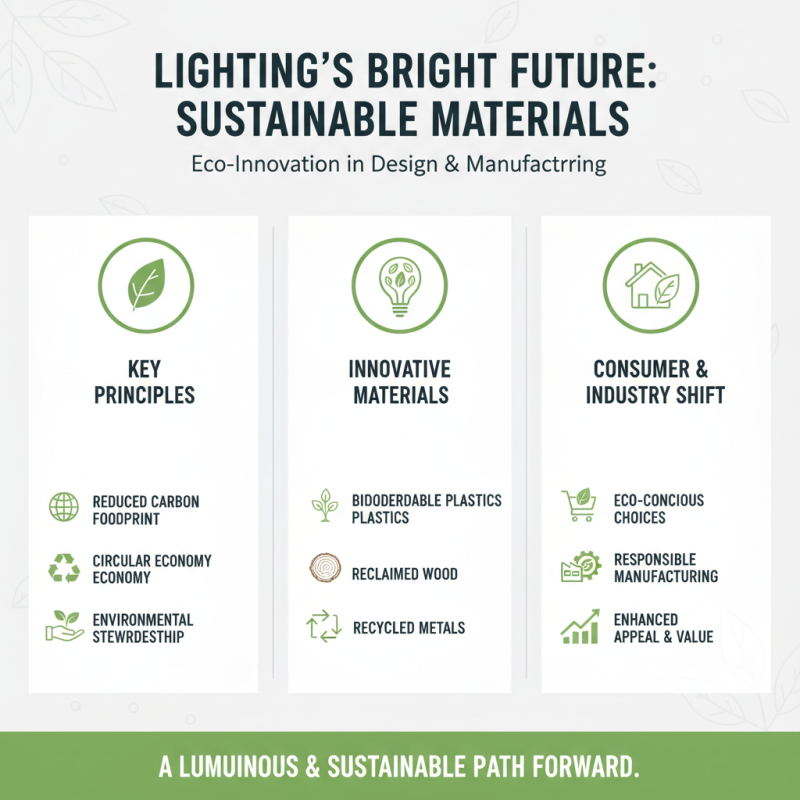
Sustainable materials are set to play a pivotal role in the evolution of lighting products, reflecting a growing commitment to environmental stewardship in design and manufacturing. As consumers become more eco-conscious, manufacturers are increasingly exploring innovative materials that reduce the carbon footprint throughout the product lifecycle. From biodegradable plastics to reclaimed wood and recycled metals, the lighting industry is embracing a principled approach that prioritizes sustainability without compromising aesthetics or functionality. This shift not only enhances the appeal of lighting products but also aligns with the broader movement towards sustainable living.

The integration of sustainable materials is expected to transform not only the look and feel of lighting products but also the very spaces they illuminate. Ambient lighting solutions crafted from natural fibers or eco-friendly composites can create a warm, inviting atmosphere while minimizing environmental impact. Additionally, advancements in technology are allowing for improved energy efficiency, which complements the use of sustainable materials. As we move toward 2025, the combination of innovative designs and eco-friendly materials will redefine our spaces, making them more harmonious with nature and fostering a stronger connection between the environment and interior aesthetics.

Innovative Smart Lighting Solutions for Modern Spaces

In 2025, the world of lighting is poised to experience a transformative shift with innovative smart lighting solutions designed for modern spaces. These advancements not only enhance aesthetics but also improve functionality, allowing homeowners and businesses to tailor their environments to their specific needs. Smart lighting systems offer options for adjusting brightness, color, and even patterns, easily controlled through smartphones or voice commands. This level of convenience and customization empowers users to create mood-specific atmospheres for any occasion.

When considering smart lighting for your space, prioritize compatibility. Ensure that your chosen lighting fixtures can integrate seamlessly with existing smart home systems. This allows for a unified approach to home automation, where lighting, security, and climate control can work together harmoniously. Additionally, pay attention to energy efficiency. Look for solutions that utilize LED technology and smart sensors, which can adjust illumination based on occupancy or the time of day, reducing energy waste.

Tip: Experiment with different color temperatures and settings to find the perfect ambiance for various activities—warmer tones for relaxation and cooler hues for work-related tasks. Remember to explore programmable schedules, which allow you to set lighting to mimic natural daylight patterns, promoting well-being within your home. Embracing these smart innovations will not only elevate your space but also contribute to a more sustainable and connected living experience.

Color Psychology and Customization Trends in Lighting

Color psychology plays a significant role in how we perceive our surroundings, and this is becoming increasingly important in lighting design. Different colors can evoke various emotions and atmospheres, helping to create a space that reflects personal preferences and moods. For instance, warm colors like soft yellows and oranges can create a cozy and inviting atmosphere, while cooler tones, such as blues and greens, can evoke calmness and serenity. As we move towards 2025, incorporating these color themes into lighting will allow homeowners and businesses to tailor their environments more effectively.

Customization trends in lighting are also on the rise, offering consumers the opportunity to personalize their spaces further. From adjustable color temperatures to smart lighting systems that can change hues based on the time of day, the options are endless. This level of customization not only enhances the aesthetic appeal but also caters to the functional needs of individuals. Imagine a workspace that transitions from bright, energizing light during the day to softer, warmer tones in the evening—this adaptability is crucial for modern living.

Tips: When considering lighting for your space, think about the emotions different colors evoke and how they align with your daily activities. Experiment with smart lighting solutions that allow you to adjust color temperature and brightness according to the time of day or your mood. Creating a lighting plan that embraces color psychology and customization can dramatically enhance both the functionality and ambiance of your environment.

Influence of Biophilic Design on Lighting Product Choices

2025 Top Lighting Products Trends That Will Transform Your Space

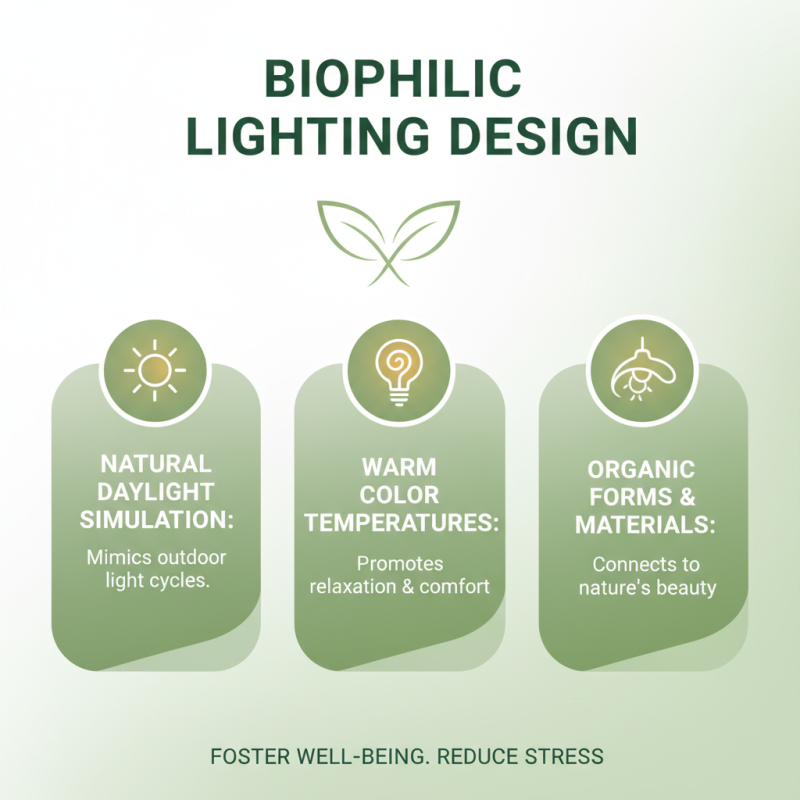
Biophilic design emphasizes our intrinsic connection to nature, and its influence on lighting product choices is becoming increasingly significant. As we seek to create spaces that foster well-being and reduce stress, lighting products that mimic natural light and enhance the organic elements of a space are gaining popularity. By integrating elements such as natural daylight simulation, warm color temperatures, and fixtures that mimic organic forms, consumers can create restful environments that promote tranquility.

Tips for integrating biophilic design into your lighting choices include prioritizing natural light where possible. Consider adding large windows or skylights to allow daylight to flow into your space. If natural light is limited, choose artificial lighting that mimics daylight; LEDs with adjustable color temperatures can replicate the soft, warm tones of natural sunlight. Incorporating lighting fixtures made from natural materials or those that resemble outdoor elements can further enhance the biophilic appeal of your environment.

Additionally, look for lighting products that allow for customizable intensity and dimming options. This flexibility enables you to adjust the ambiance according to the time of day or desired activity, further aligning your indoor environment with the natural rhythms of life. Embracing these principles not only elevates aesthetic appeal but also bolsters mental wellness, making biophilic design a transformative approach in modern interior spaces.